You walk through the front door after a ten-hour shift and your house smells like last night’s fried fish. Your mind is still racing from endless meetings and your shoulders are tense. You light a cheap candle but it just masks the odor with artificial vanilla. This is where real plant extracts actually help. Aromatherapy uses concentrated plant oils to change how your home smells and how your body physically feels.
Essential oils pack thousands of pounds of plant matter into a single half-ounce bottle. When you diffuse lavender oil thirty minutes before bed, the chemical compounds interact with your olfactory system to physically lower your heart rate. You stop tossing and turning. Peppermint oil clears a stuffy nose and wakes up your brain during a mid-afternoon slump. You get tangible physical reactions from breathing in these natural vapors.
Starting with aromatherapy requires a basic understanding of safe dilution and timing. You cannot just dump half a bottle of oil into a plastic bowl of water. You need the right diffuser, precise drop counts, and an awareness of which oils actually solve your specific daily complaints. This guide shows you exactly how to set up your first diffuser and mix basic oils for better sleep, focus, and relaxation.
How Aromatherapy Actually Works in Your Body
When you breathe in essential oil vapor, the scent molecules travel straight up your nasal cavity to your olfactory bulb. This tiny structure connects directly to the limbic system in your brain. That part of your brain controls heart rate, blood pressure, breathing, and stress levels. Breathing in three drops of roman chamomile does not just smell nice. It triggers a physical chain reaction that tells your nervous system to power down for the night.
Applying oils topically works differently but yields similar physical benefits. You mix one drop of pure oil with a carrier liquid like jojoba oil before rubbing it on your skin. The active compounds absorb through your epidermis and enter your bloodstream within twenty minutes. Rubbing diluted eucalyptus oil on your chest breaks up congestion faster than waiting out a cold. You just need to follow strict dilution ratios to prevent severe skin irritation.
Choosing Your First Essential Oils
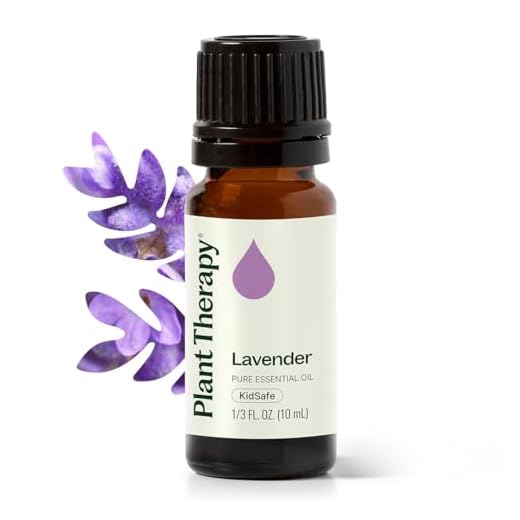
The sheer number of tiny brown bottles at the health food store overwhelms most beginners. You only need three basic oils to start treating common household complaints. Lavender serves as your heavy hitter for sleep and anxiety. You can diffuse five drops of lavender in a 300ml water tank to quiet a busy mind. Peppermint acts as a stimulant. Sniffing peppermint right from the bottle wakes you up faster than a second cup of afternoon coffee.
Lemon oil rounds out your starter kit by tackling foul odors and sluggish mornings. Citrus oils contain high levels of limonene. This compound breaks down airborne grease and leaves your kitchen smelling completely clean after cooking. You drop four drops of lemon and two drops of peppermint into your diffuser for an instant energy boost while cleaning. These three oils cost less than thirty dollars total and cover ninety percent of your daily needs.
Selecting the Right Diffuser for Your Space
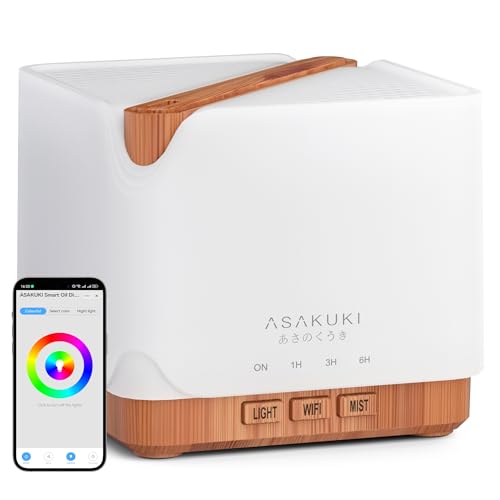
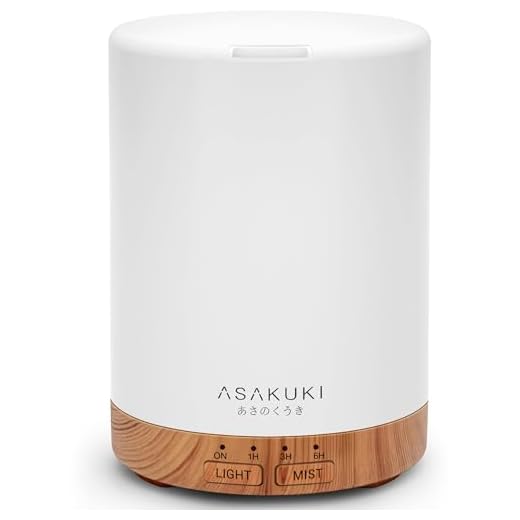
Ultrasonic diffusers represent the most practical choice for everyday home use. These devices use a small ceramic disc sitting at the bottom of a water reservoir. The disc vibrates rapidly to break the essential oil and water into a fine mist. You want a diffuser with at least a 300ml capacity for large living rooms. This size runs continuously for eight hours without needing a refill in the middle of the night.
Nebulizing diffusers push pressurized air directly through pure essential oil without any water. This method produces a much stronger scent and fills a massive room in under ten minutes. You will burn through your expensive oils much faster with a nebulizer. They also make a slight humming noise that bothers some light sleepers. Stick to an ultrasonic model for your bedroom and save the nebulizer for open-concept kitchens or large basements.
Safe Dilution Ratios for Topical Use
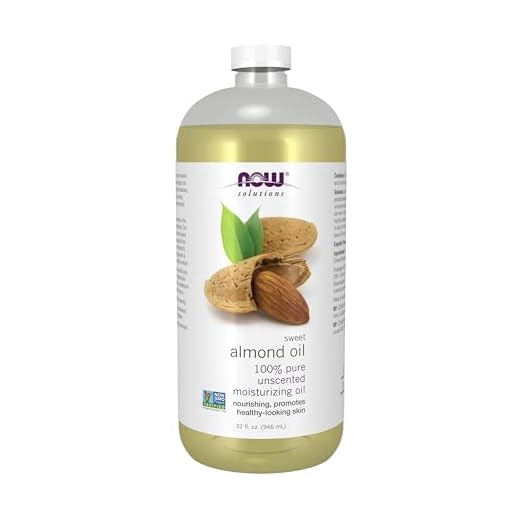
Pure essential oils burn human skin on contact. You must dilute them with a fatty carrier oil before making any physical contact. Fractionated coconut oil, sweet almond oil, and jojoba oil work perfectly because they lack a strong scent of their own. A safe adult dilution rate hovers right around two percent. This means you mix exactly twelve drops of essential oil into one fluid ounce of your chosen carrier oil.
You need a much weaker concentration for sensitive areas or daily facial application. Drop this ratio down to one percent for anything touching your face. That equals six drops of essential oil per ounce of carrier liquid. Store these homemade mixtures in dark glass bottles with glass droppers. Plastic containers break down over time when exposed to concentrated plant compounds. Keep your mixed oils in a cool bathroom cabinet away from direct sunlight.
Timing Your Diffusion for Maximum Benefit
Running your diffuser all day long wastes expensive oil and causes scent fatigue. Your brain simply stops registering the smell after forty-five minutes of continuous exposure. You need to use intervals to get the best physical results. Set your diffuser to run for thirty minutes and then turn off for thirty minutes. Most modern ultrasonic diffusers feature an intermittent setting that handles this timing cycle automatically while you work or sleep.
Strategic timing fixes specific daily problems. Turn on a citrus blend ten minutes before you plan to start a heavy cleaning session to boost your motivation. Start your lavender and cedarwood sleep blend thirty minutes before you actually get into bed. The scent will fill the bedroom and hit your olfactory system the second you walk through the door. You trick your brain into associating that specific smell with immediate rest.
Cleaning and Maintaining Your Equipment
A dirty diffuser harbors mold and spreads bacteria right into the air you breathe. You must clean the water reservoir every three days if you use it daily. Unplug the unit and dump out any leftover water. Wipe the inside completely dry with a clean paper towel. Never leave stagnant water sitting in the tank over the weekend. The leftover essential oil residue builds up into a thick sludge that ruins the vibrating disc.
Deep clean your ultrasonic diffuser twice a month using plain white vinegar. Fill the water tank halfway with clean tap water and add ten drops of white vinegar. Run the machine for exactly five minutes in a well-ventilated room to flush out the internal components. Dump the vinegar water and gently wipe the ceramic disc with a cotton swab dipped in rubbing alcohol. This removes stubborn citrus oil buildup and keeps the mist output strong.
Spotting Fake and Low-Quality Oils
The FDA does not regulate essential oils, meaning companies can put the word pure on a bottle of synthetic fragrance. You have to read the actual label to know what you are buying. Look for the Latin botanical name printed right on the front or side of the label. True lavender oil will list Lavandula angustifolia. If the bottle just says lavender scent, you are holding a bottle of cheap lab-made chemicals that offer zero physical benefits.
Pay attention to the packaging and the price tag. Legitimate essential oils always come in dark amber or cobalt blue glass bottles to block out degrading UV light. A plastic bottle immediately indicates a fake product. Price also tells a clear story. Extracting pure rose oil requires thousands of flower petals. If you find a bottle of rose oil selling for six dollars at a discount store, it is completely fake.
Using Aromatherapy for Better Sleep
Sleep issues respond incredibly well to consistent aromatherapy routines. Your core body temperature needs to drop for you to fall asleep. Mixing four drops of lavender with two drops of vetiver oil creates a heavy, grounding scent that signals your body to cool down. You load this exact recipe into your bedroom diffuser at eight o’clock at night. The room fills with the vapor while you brush your teeth and read.
You can also make a simple pillow spray for nights when you travel without a diffuser. Mix two ounces of distilled water, one tablespoon of witch hazel, and twenty drops of lavender oil in a small glass spray bottle. The witch hazel helps the oil mix evenly into the water. Spray your pillowcase lightly two minutes before your head hits the pillow. The water evaporates and leaves behind a soothing scent that lasts for hours.
Quick Tips
- Store your essential oils in a dark box in a room that stays below 70 degrees Fahrenheit to prevent the volatile compounds from breaking down.
- Always use distilled or filtered water in your ultrasonic diffuser to stop white mineral dust from coating your wooden furniture.
- Keep your diffuser out of reach of pets and always leave the room door open so a dog or cat can escape if the scent bothers them.
- Test a new diluted oil mixture on a small patch of skin on your inner forearm and wait twenty-four hours to check for allergic reactions.
- Place your diffuser on a solid bedside table at least two feet off the ground so the mist has room to fall and disperse properly.
Frequently Asked Questions
Aromatherapy requires precision and respect for the potency of plant extracts. You have the knowledge now to buy real oils, mix them safely, and operate a diffuser without ruining the motor. Stop wasting money on synthetic candles that just mask bad smells. Pick up a basic 300ml ultrasonic diffuser and a bottle of pure lavender oil today.
Set up your new machine on your nightstand and fill it with distilled water. Drop in five drops of lavender thirty minutes before you want to go to sleep. You will feel the physical difference in your breathing and heart rate on the very first night.