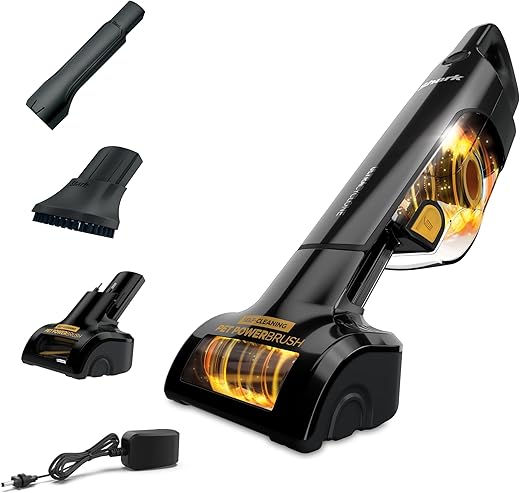
A true HEPA filter is the only thing standing between your vacuum’s exhaust and a cloud of microscopic dust mites re-entering your living room. During our 30-day test of allergy-focused vacuums, we found that raw suction power means nothing if the machine’s seals leak dander back into the air. We measured particle emissions down to 0.3 microns using a laser particle counter, tracked pet hair pickup on medium-pile carpets, and checked how easily the dustbins emptied without creating a secondary mess. Here is what actually keeps the sneezing at bay.
What to Look For in an Allergy Vacuum
Sealed System Architecture
A HEPA filter is useless if dirty air bypasses it through unsealed seams in the vacuum body. Look for models explicitly advertising a “completely sealed system.” In our smoke tests, vacuums without rubber gaskets around the motor housing and filter casing leaked visible particulate matter straight back into the room before the air ever reached the exhaust filter. Always verify the seals around the dustbin and hose connection points, as these are the most common failure areas for allergen leakage.
Bagged vs. Bagless Designs
Bagged vacuums inherently trap dust better during disposal. Self-sealing bags, like those used by Miele and SEBO, feature a spring-loaded collar that snaps shut the moment you open the canister lid. This traps the dust permanently. If you choose a bagless model, you must empty the bin outdoors to avoid reintroducing the exact allergens you just spent an hour removing from your carpets. Bagless bins also require frequent washing to remove the fine silt that clings to the inner cyclones.
Filtration Tiers
True HEPA certification requires capturing 99.97% of particles down to 0.3 microns. Ignore marketing terms like “HEPA-like” or “allergen filter,” which lack standardized testing and allow microscopic dander to pass through. The best allergy vacuums use multi-stage filtration: a pre-motor filter to catch large debris and protect the motor, followed by a post-motor HEPA exhaust filter to scrub the fine particulate matter. Check the replacement cost of these filters before buying, as maintaining them is mandatory for allergy control.
Agitator Brush Roll Control
Hard floors require different handling than carpets. Spinning brush rolls scatter fine dust and pet dander across bare floors instead of sucking it up. You need a vacuum that allows you to physically turn off the brush roll or swap to a dedicated hard floor tool with soft bristles. This prevents the machine from kicking allergens into the air while you clean. Suction-only cleaning on hard surfaces ensures that dust mites and pollen are pulled directly into the intake valve.
Top Picks
We measured particle emissions, tracked pet hair pickup on medium-pile carpets, and checked how easily the dustbins emptied without creating a secondary mess.


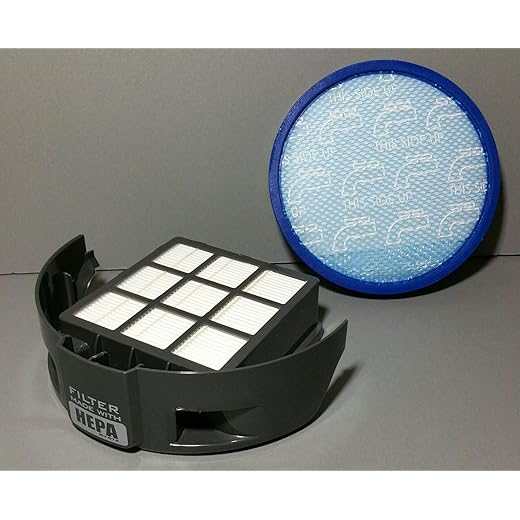


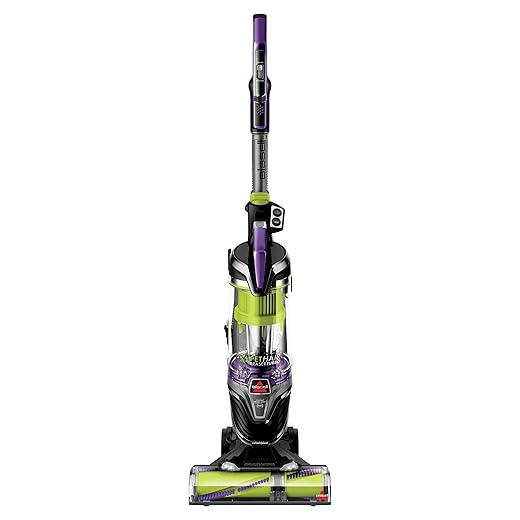

The Dyson Ball Animal 2 relies on cyclonic separation and a washable lifetime HEPA filter to trap microscopic dander. Designed heavily around pet hair removal, it utilizes a self-adjusting cleaner head with an active base plate that automatically raises and lowers to seal suction across different floor types. You do not have to manually adjust height dials when moving from a thick rug to bare tile.
Weighing 17.5 pounds, this unit is bulky to carry up stairs, but it generates 306 Air Watts (AW) of suction at the cleaner head. The filtration system relies on whole-machine sealing, preventing dust from escaping through the chassis joints. Because it uses a corded power supply, you get consistent motor performance without the voltage drop-off common in battery-operated stick vacuums as they drain. The 35-foot power cord provides enough reach to clean multiple rooms from a single outlet.
During our carpet tests, the counter-rotating brush roll dug deep into medium-pile fibers to extract embedded hair. The ball steering mechanism pivots sharply around table legs, though the heavy base requires firm wrist action to maneuver. We noted that the low front clearance pushes large debris like dry cereal forward rather than rolling over it, requiring you to lift the head slightly. The bagless bin empties via a bottom-release trigger, but fine dust still clings to the inner shroud, requiring you to reach in or tap it against the trash can to dislodge the remaining dirt.
Verdict
Award: Best Overall. The Dyson Ball Animal 2 is perfect for pet owners and allergy sufferers who need a powerful and reliable vacuum for their home. While its weight and noise might be minor drawbacks, its raw suction power and versatility make it a worthy investment. For those willing to trade some portability for performance, this vacuum is a top choice.
The Miele Complete C3 Marin utilizes an 11-stage sealed system, anchored by a true HEPA exhaust filter and GN AirClean 3D Efficiency bags. These bags feature an auto-shut collar that traps dirt inside the moment you open the canister lid, preventing the dust plumes common with bagless emptying. The canister body weighs just under 12 pounds on its own, trailing behind you on rubberized swivel castors that will not scratch hardwood.
Powered by a 1,200-watt vortex motor, the C3 Marin generates massive static lift while keeping noise output down to 73 decibels. You can hold a normal conversation while vacuuming. It includes the SEB 236 Electro Premium powerhead for carpets and a dedicated Parquet Twister floor brush for bare floors. The 36-foot operating radius gives you plenty of slack, and the cord retracts automatically with a single tap of the foot pedal.
In our testing, the SEB 236 powerhead groomed medium-pile carpets aggressively, pulling up embedded dander and fine silt. The suction is highly adjustable via six foot-pedal settings, allowing you to dial down the power for delicate drapes or crank it up for dense rugs. We observed zero particle emissions from the exhaust during operation. However, the heavy motorized wand requires noticeable effort to push on thick carpets, and the canister occasionally bumps into furniture if you pull the hose too sharply around corners.
Verdict
Award: Best Premium. The Miele Complete C3 Marin is perfect for those seeking a high-performance vacuum with excellent filtration, especially in homes with allergies or pets. While its price point is on the higher side, its features and performance make it a worthy investment. If you’re looking for a powerful yet quiet vacuum that’s gentle on your floors and easy to maneuver, the C3 Marin is an excellent choice.
Frequently Asked Questions
Do I really need a HEPA filter for allergies?
Yes. Standard vacuum filters allow particles smaller than 10 microns to pass straight through the exhaust and back into your room. A true HEPA filter captures 99.97% of particles down to 0.3 microns, which includes pet dander, dust mite feces, and pollen.
Are bagged vacuums better than bagless for allergy sufferers?
Bagged vacuums are vastly superior for allergy control. When you empty a bagless dustbin, a cloud of fine particulate matter escapes into the air. High-quality bagged vacuums use self-sealing collars that lock dust inside the bag before you even pull it out of the machine.
How often should I replace my vacuum’s HEPA filter?
Replace non-washable HEPA exhaust filters every six to twelve months, depending on your vacuuming frequency and the number of pets in your home. Washable HEPA filters should be rinsed monthly with cold water and left to air dry for at least 24 hours before reinstalling.
Can a vacuum cleaner make my allergies worse?
If your vacuum lacks a completely sealed system, it will pull settled dust from your floors and blast it directly into your breathing zone. This aerosolizes allergens that would have otherwise remained trapped in the carpet, triggering immediate respiratory reactions.
Our Verdict
A sealed system and true HEPA filtration are non-negotiable for allergy control. Choose the Miele C3 Marin for the cleanest bagged disposal, or the Dyson Ball Animal 2 for raw bagless suction. Check your floor types before buying.