The Coway Airmega 400 is an absolute beast for open floor plans, clearing aggressive cooking odors from a large combined kitchen and living room rapidly. It earns its keep through sheer air-moving volume, completely replacing the air in massive spaces in an hour. Buy it for the unrivaled coverage, not for aesthetics.
Coway Airmega 400 Smart Air Purifier
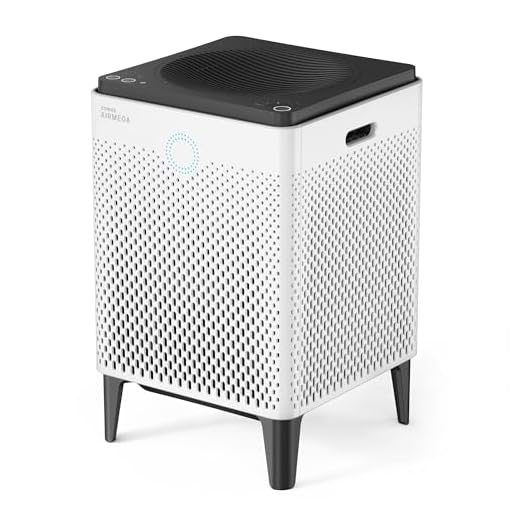
This is a heavy-duty workhorse that aggressively cycles air in massive spaces, but it demands serious floor real estate. It is highly recommended if you have an open-concept home, vaulted ceilings, or a sprawling basement. Pass on it if you just want to filter a standard bedroom.
Who It’s For
Who Should Skip It
Massive Airflow for Open Spaces
The Airmega 400’s primary selling point is pure volume. Covering 3,120 square feet in exactly 60 minutes, it is built for modern open-concept houses where the kitchen, living room, and dining area bleed together. When you sear a steak, standard purifiers just choke. This unit pulls the smoke from across the room and filters it through its heavy-duty intakes before it settles into your upholstery.
That airflow relies on a HyperCaptive system housing a pre-filter, active carbon, and a HEPA filter that traps 99.97% of 0.3-micron particles. Practically, that means the inevitable layer of spring pollen that usually coats your coffee table practically vanishes. The carbon filter handles volatile organic compounds and pet odors exceptionally well, provided you give the unit enough physical clearance.
Smart Sensors and Everyday Automation
You don’t want to manually babysit a machine this size. Coway’s Smart Mode handles the heavy lifting by actively monitoring the room’s air quality and stepping the fan speed up or down accordingly. It is highly sensitive. Simply fluffing a dusty dog bed ten feet away triggers the sensor, spinning the fans up to catch the dander before it spreads. Once the air clears, it automatically dials back down.
The Eco Mode is where it really proves its worth for continuous operation. If the air stays clean for 30 minutes, the fan completely shuts off. It just sits there, silently monitoring, and kicks back on the second pollution is detected. It stops you from wasting energy when the house is empty.
Living with the Quirks
Living with the Airmega 400 requires a bit of environmental tuning, specifically around bedtime. The automatic Sleep Mode relies on two specific conditions: the room must be dark, and the air must be clean for exactly 3 minutes. If you sleep with the television on or a bright street lamp shining through the blinds, the light sensor won’t trip, and the unit won’t reduce its noise and power consumption.
Maintenance is another reality check. Because of its massive physical capacity, you are maintaining a heavy-duty set of filters. The pre-filter catches the dog hair and dust bunnies easily enough, but you have to stay on top of vacuuming it off to keep that 3,120-square-foot coverage rate intact over the long term.
Buying Advice
Placement is Everything
Don’t shove this unit into a tight corner or hide it behind a sofa. Because it relies on drawing in massive amounts of ambient air, it needs at least a foot or two of clearance from walls and heavy furniture to hit its maximum 3,120 square foot coverage rate. If you block the intakes, you severely bottleneck its ability to clear the room quickly.
Understand the Sleep Mode Constraints
If you plan to use this in a massive primary suite, be aware of your lighting habits. The Sleep Mode won’t activate unless the built-in light sensor detects a dark room for three full minutes while the air is clean. If you use a bright nightlight, sleep with the television on, or have sheer curtains letting in streetlights, you will have to manually turn the unit down.
Maximize Eco Mode for Filter Life
Leave the purifier in Eco Mode rather than letting it run constantly on a set fan speed. Not only does this conserve energy by turning the fan off after 30 minutes of clean air, but it also helps extend the lifespan of your active carbon and HEPA filters. Let the smart pollution sensor do the work of deciding when the air actually needs scrubbing.

