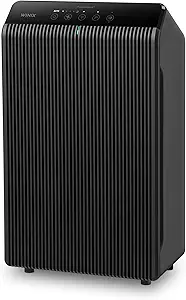
Air purifiers actually work. They are not magic boxes that cure every respiratory issue. They force air through dense physical filters to trap particulate matter before it reaches your lungs. You will notice less dust on your furniture. You will also breathe easier during allergy season.
These machines excel at capturing pet dander, pollen, and wildfire smoke. They struggle with heavy odors. You need massive carbon filters to trap volatile organic compounds. Match the unit’s clean air delivery rate to your room size. Buying an undersized purifier is a waste of money.
How Air Purifiers Work
These devices pull stale air through physical barriers to trap microscopic debris. Most units rely on pleated HEPA filters. They catch dust, pollen, and smoke. A good machine noticeably reduces the layer of grime settling on your shelves. The Coway Airmega 400 Air Purifier retails for $389.30 and uses a combination of HEPA and activated carbon filters. This dual approach tackles both solid particles and lingering odors. It remains a solid choice for larger living rooms.
Benefits of Using an Air Purifier
Running a purifier directly reduces airborne triggers. This prevents asthma flare-ups and seasonal allergies. You will cough and sneeze less frequently when you filter out pet dander and pollen. The Honeywell HPA300 Air Purifier costs $241.91 and handles medium to large rooms with ease. It offers three distinct cleaning levels to match your daily needs. You get a reliable tool for fighting indoor air pollution. It does this without adding excessive noise to your bedroom.
Choosing the Right Air Purifier
You must match the machine to your exact room dimensions. Buying a small unit for a massive basement guarantees poor results. You need a true HEPA filter for allergies. You need thick carbon pellets for odors. The Dyson TP04 Pure Cool costs $269.95 and doubles as a cooling fan with smart home integration. This model fits perfectly in modern spaces. You get reliable air filtration alongside app controls and real-time air quality monitoring.
COWAY Air Purifiers for Home Up to 1,748 ft², HEPA Filter for

Real-World Performance
Lab specifications mean nothing if the machine fails during a crisis. Wildfire season quickly exposes weak motors. You need a unit that can clear heavy smoke from your living room in under an hour. The Coway Airmega 400 proves highly effective during these extreme pollution events. It rapidly cycles the air to remove hazardous particulate matter. You will notice a distinct lack of campfire smell indoors when you run this unit on its highest fan speed.
BLUEAIR Air Purifiers for Large Rooms, Cleans 3,048 Sqft In One

🎯 Key Takeaways
Air purifiers actively remove allergens and dangerous pollutants from your home. You must choose a model rated for your specific room size. True HEPA filters remain the gold standard for trapping microscopic dust and pollen. Premium models like the Dyson TP04 add smart home controls and cooling fans to the mix. You will notice the biggest difference in your indoor air quality during high pollution events. Wildfire season and heavy spring pollen drops prove their worth.
Recommended Products
Based on my experience with this topic, here are products that can help:
Final Thoughts
True HEPA filters successfully trap dust and smoke in our testing. Check your room square footage before buying. Pick a unit with a high clean air delivery rate, plug it in, and leave it running on auto mode.