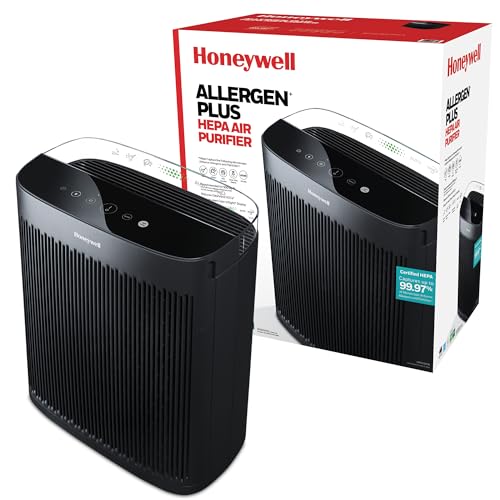
You just unrolled a new memory foam mattress or painted the nursery. Now your eyes water and a harsh chemical smell fills the hallway. You plug in a standard air purifier hoping for relief. A day later, the air smells exactly the same. Standard HEPA filters trap dust and pollen, but they pass chemical gases straight through the machine.
Volatile organic compounds, or VOCs, are microscopic gases emitted by everyday household products. Formaldehyde leaks from engineered wood flooring. Toluene rises from fresh paint. Benzene lingers after using aerosol cleaning sprays. These gases trigger headaches, dizziness, and throat irritation long before you actually see any dust accumulation in your home.
To capture these invisible gases, your air purifier needs a heavy layer of activated carbon. Thin black sponges do almost nothing against heavy chemical exposure. You need specialized filters packed with carbon pellets to trap the gases and permanently remove them from your indoor breathing space.
The Difference Between HEPA and Activated Carbon
Standard HEPA filters use densely woven glass fibers to catch physical particles. Think of them as microscopic nets. They trap dog hair, dust mites, and pollen grains perfectly. However, VOCs are gases rather than physical particles. A gas slips right through a physical net without slowing down. This explains why a standard purifier fails to clear out fresh paint fumes or chemical odors.
Activated carbon works differently. Manufacturers treat charcoal with oxygen to open up millions of microscopic pores on its surface. When chemical gases pass through this carbon matrix, they stick to the porous surface. This process is called adsorption. To actually remove VOCs from your bedroom or living room, your purifier must pull the air through a thick bed of this specialized carbon.
Why Filter Weight Matters More Than Brand Names
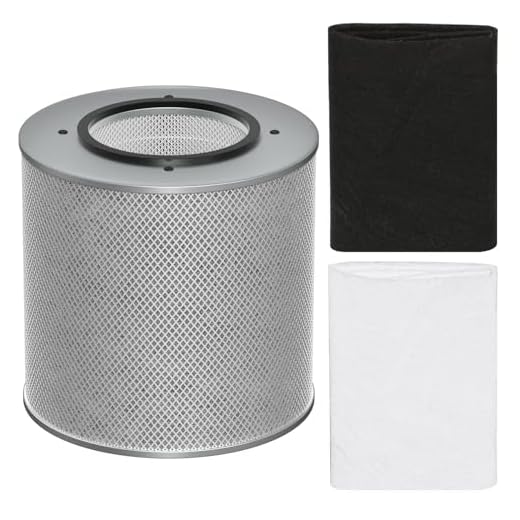
Many popular air purifiers advertise a carbon filter on the box. Look closely at the replacement filter before you buy the machine. Most budget models use a thin black sheet of foam lightly dusted with carbon powder. These thin sheets saturate completely within two weeks. Once saturated, they stop trapping chemical gases and might even release trapped odors back into the room.
True VOC removal requires a heavy filter packed with real carbon pellets. You want a filter that feels heavy when you lift it out of the box. Effective machines contain anywhere from three to fifteen pounds of granular activated carbon. The heavier the filter, the longer it takes to fill up. A heavy carbon bed gives the machine enough time to actually trap off-gassing chemicals from your new couch or flooring.
Identifying the Most Common Sources of Household VOCs
Chemical off-gassing happens right under your nose. Engineered wood, particleboard, and MDF furniture are notorious for releasing formaldehyde. That distinct new furniture smell is actually a mix of hazardous chemicals evaporating into your breathing space. New carpets, vinyl flooring, and heavy drapes also release heavy concentrations of VOCs for the first three to six months after installation.
Daily cleaning habits create sudden spikes in indoor chemical levels. Bleach, glass cleaners, and aerosol air fresheners flood the room with volatile compounds. Even burning scented candles or cooking on a gas stove without running the exhaust hood drastically increases your indoor VOC load. Managing your indoor air requires removing these sources or venting them heavily while running your purifier.
Positioning Your Purifier for Maximum Gas Removal
Airflow dictates how fast a machine can clear chemical gases from a room. Shoving your purifier into a corner blocks the intake vents. Keep the unit at least 18 inches away from walls, couches, and heavy curtains. Place it between the main source of the VOCs and the area where you spend the most time. If you just painted a dresser, put the purifier near the dresser.
You need to run the machine on high speed during the first few days of a new chemical exposure. If you just unrolled a memory foam mattress, leave the purifier running on its maximum fan setting for at least 72 hours. Close the bedroom door to trap the air inside the room. This forces the machine to process the same contaminated air multiple times an hour.
Knowing When to Replace Your Carbon Filter
Carbon filters do not last forever. Unlike a HEPA filter that might last a full year, carbon beds fill up based on your specific chemical environment. If you live near a busy highway or frequently use harsh chemical cleaners, your carbon filter will saturate quickly. A three-pound carbon filter might only last three to four months in a heavily contaminated environment.
Trust your nose over the replacement light on the machine control panel. The indicator light just runs on a basic timer. If your room starts smelling like stale chemicals or sour odors, the carbon is full. A saturated filter becomes a useless roadblock inside your machine. Keep a spare carbon filter in a sealed plastic bag so it stays fresh until you need to swap it out.
Using Heat and Ventilation to Speed Up Off-Gassing
Purifiers work best when paired with strategic ventilation. VOCs evaporate much faster in warm temperatures. If you buy a new rug, crank your home heating up to 80 degrees Fahrenheit for a day while you are out of the house. This forces the rug to off-gas its chemicals rapidly. Open the windows wide to let the bulk of the concentrated gas escape outdoors.
Turn the heat back down to normal room temperature before you go to sleep. Close the windows and turn your heavy-duty carbon air purifier on high. The initial heat technique clears out the heaviest concentration of chemicals. Your air purifier then handles the slow residual off-gassing that continues for the next few weeks.
The Limitations of Purifiers Against Dangerous Gases
Activated carbon handles a massive variety of household chemicals, but it has blind spots. Carbon struggles to trap carbon monoxide from faulty gas appliances. It also completely ignores radon gas seeping up through basement foundations. Never rely on an air purifier to protect your family from carbon monoxide. Install dedicated detectors on every floor of your home and test them monthly.
Very small gas molecules slip through standard carbon beds. Manufacturers sometimes blend potassium permanganate into the carbon pellets. This chemical additive creates an oxidation reaction to neutralize smaller molecules like formaldehyde. If you specifically need to clear out fumes from new laminate flooring, look for a machine that advertises this specific chemical blend in its filter specifications.
Quick Tips
- Weigh your replacement carbon filters on a kitchen scale before installing them. A filter under two pounds will barely make a dent in fresh paint fumes.
- Store unused carbon filters inside two layers of heavy-duty trash bags. Open carbon absorbs odors from the surrounding air and will ruin itself sitting on a garage shelf.
- Run your bathroom exhaust fan for 30 minutes after using aerosol hairspray or heavy cleaning chemicals to pull the bulk of the VOCs outside.
- Keep indoor humidity below 50 percent during the summer months. High humidity causes engineered wood flooring to release formaldehyde at double the normal rate.
- Buy a standalone VOC monitor to test your indoor air quality. The built-in sensors on most air purifiers are notorious for giving false zero readings.
Frequently Asked Questions
Getting rid of chemical off-gassing takes the right equipment and a little patience. A standard machine designed for pollen season will fail completely against heavy fumes. Focus on the total weight of the activated carbon filter rather than flashy marketing terms.
Unroll that new rug or paint the guest room without worrying about lingering headaches. Set up a heavy-duty carbon purifier, run it on high speed, and let the pellets do their job. Keep the windows cracked during the first 24 hours to clear the worst of the chemical smell fast.