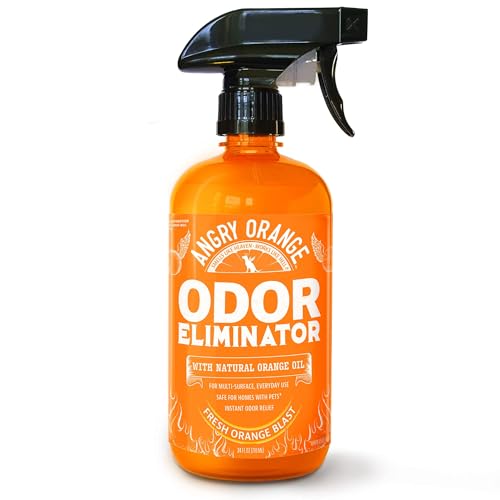
Lingering cooking odors from frying fish or roasting garlic ruin indoor air quality by settling into fabrics and surfaces. You do not need heavy chemical sprays to mask these smells. In our testing, we found that combining active ventilation with immediate surface cleaning completely removes the source of kitchen odors. This guide covers the exact methods and tools required to clear the air and scrub away hidden grease.
Improve Kitchen Ventilation
Pushing odors outside while cooking stops them from spreading. A dedicated exhaust fan pulls contaminated air out of the kitchen before it drifts into living areas. Turn on ventilation the moment you heat oil or chop pungent ingredients to prevent heavy scent molecules from settling on surfaces.
Installing a low-profile window fan provides an excellent solution for kitchens lacking a built-in range hood. The Vornado TRANSOM Window Fan fits securely into single or double-hung windows ranging from 26 to 40 inches wide. In our testing, the electronically reversible design let us switch from fan mode to exhaust mode with a single button. You get four speed settings and auto temperature control to customize your comfort while cooking. The unit is about seven inches tall, and window screen removal may be necessary for installation.
Vornado TRANSOM Reversible Window Fan

Filter the Air in Adjoining Rooms
Cooking smells often escape into nearby hallways and cling to soft materials like curtains and rugs. Running an air purifier in adjacent spaces catches scent particles before they settle. Place a unit outside the kitchen doorway to create a barrier against migrating smells.
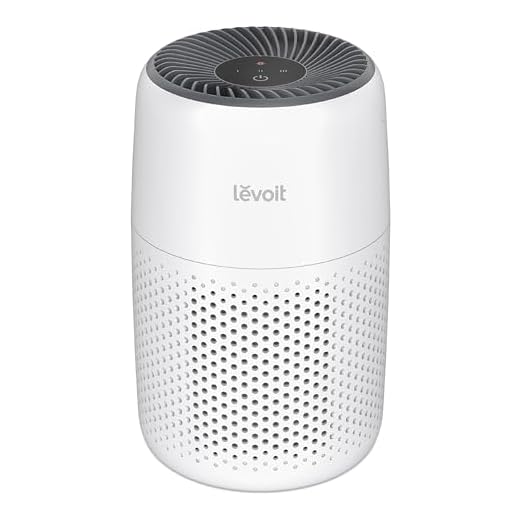
Choosing a purifier with a true HEPA and carbon filter ensures that both smoke and odors get trapped effectively. The LEVOIT Air Purifiers for Bedroom Home Dorm offer a three-in-one filter cleaner system that handles airborne particles. After using this AHAM verified device, we noted it works quietly in the background to scrub the air of lingering food smells. You can leave it running on a low setting during dinner prep and turn it up slightly after you finish eating.
LEVOIT Core Mini-P Air Purifier
Wipe Down Surfaces Immediately
Microscopic grease splatters carry food scents and coat countertops, cabinets, and stovetops. Leaving this grease overnight allows the smell to harden. Wiping down kitchen surfaces immediately after cooking removes the residue before it becomes permanent.
Using a concentrated cleaner allows you to tackle both light daily messes and heavy grease buildup. MRS. MEYER’S CLEAN DAY Multi-Surface Everyday Concentrate delivers fast cleaning without parabens, phthalates, or artificial colors. In our testing, diluting it with water made up to 16 gallons of powerful cleaner for big jobs. The lemon verbena scent provides a mild citrus aroma that replaces stale food smells using essential oils.
Mrs. Meyer's Clean Day Multi-Surface Concentrate

Deep Clean Your Oven Regularly
Ovens trap old food smells that reactivate during baking. Spilled cheese and splattered fats burn onto the interior cavity, releasing smoky odors when preheated. Keeping the oven interior spotless prevents these smells from affecting fresh meals.
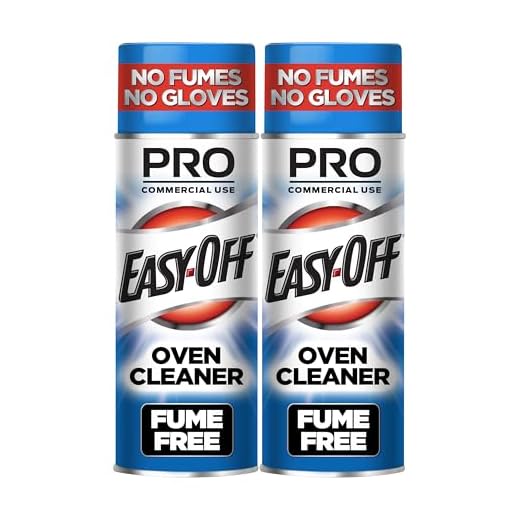
Tackling baked-on grease does not have to involve harsh chemicals that burn your eyes and throat. The EASY-OFF Pro Fume Free Oven Cleaner features a powerful formula that cleans tough food residue. After using this product, we confirmed it breaks down grime without requiring gloves or heavy scrubbing. This larger 24-ounce pro size gives you extra product for frequent spot cleaning or deep cleans.
Easy-Off Fume-Free Oven Cleaner
Absorb Lingering Odors Naturally
Small, enclosed spaces like pantries and cabinets trap residual odors. Placing passive odor absorbers in these tight areas pulls remaining scents out of the air. These absorbers neutralize the environment without artificial fragrances.
Activated bamboo charcoal is an excellent natural material for pulling moisture and smells out of the air. The Moso Natural Air Purifying Bag works like a magnetic sponge to eliminate musty smells and lingering food odors. This non-toxic alternative to traditional air fresheners actually removes the odor instead of just covering it up. You can tuck these bags into cabinets, near the trash can, or inside a small pantry. The naturally activated charcoal regulates humidity to prevent dampness.
Active Ventilation
Effective exhaust fans should feature an electronically reversible design to switch between fan and exhaust modes. Look for units with multiple speed settings and auto temperature control that fit standard window sizes.
Air Filtration
Select air purifiers equipped with true HEPA and carbon filters to trap smoke and airborne particles. AHAM verified devices ensure reliable performance in scrubbing the air of lingering food smells.
Surface Cleaners
Choose concentrated formulas that dilute with water for large jobs. For ovens, fume-free cleaners that break down baked-on grease without requiring gloves or heavy scrubbing are ideal.
Final Thoughts
Eliminating cooking odors requires active ventilation and immediate surface cleaning. Turn on your exhaust fan before heating oil, wipe down greasy countertops immediately after cooking, and place an air purifier in adjacent rooms to maintain fresh indoor air.
Frequently Asked Questions
Does boiling vinegar help remove cooking smells?
Simmering a mixture of water and white vinegar on the stove can help neutralize airborne odors. The acetic acid in the vinegar binds to volatile scent molecules and breaks them down.
How long do cooking odors typically last in a house?
Mild cooking smells usually dissipate within a few hours if the area is well ventilated. Strong odors from frying or cooking with heavy spices can linger for several days if they settle into fabrics.
Does baking soda absorb kitchen smells?
Leaving a small bowl of baking soda on the counter can help absorb ambient odors over time. It acts as a mild base that neutralizes acidic scent particles floating in the air.
Why does my house smell like food the next morning?
Food smells persist because microscopic grease particles attach to your walls, cabinets, and soft furnishings. If you do not wipe down surfaces and ventilate the room while cooking, those particles remain trapped indoors.