Food processors: Tested for Uniform Dicing & Dough Kneading
45-day minimum. Every unit bought at retail.
We test food processors on almonds, onions, and heavy pizza dough to measure motor stall limits and chop uniformity. We track blade dulling, bowl scratching, and liquid seal integrity across 45 days of heavy kitchen prep.
Each unit faces a standardized 500-gram load of whole carrots and a 65% hydration dough ball to document blade clearance gaps and motor overheating limits.
Which food processor question brought you here?
The questions food processor buyers get stuck on
After running 24 models through hundreds of pounds of produce, these are the decisions that separate a daily workhorse from a cabinet decoration.
What capacity food processor do I actually need?
Manufacturers measure capacity by filling the bowl to the brim with water. The usable capacity for dry ingredients like chopped onions is usually half the stated number. For liquids, the central spindle limits the fill line to about a third of the bowl size. A 3-cup mini chopper holds exactly enough garlic and herbs for one dinner. A 7-cup to 9-cup model handles dough for a single pizza or a batch of salsa. For slicing whole vegetables without precutting or making double batches of pie crust, a 13-cup to 14-cup processor becomes necessary.
- Box capacity ratings reflect water filled to the brim
- Usable dry capacity is roughly 50 percent of the stated size
- 7-cup models fit daily cooking for couples or small families
- 13-cup models prevent motor stall on heavy bread doughs
Should I pay extra for a dicing kit and multiple discs?
Basic models include an S-blade for chopping and a reversible disc for slicing and shredding. Premium models add specialized dicing grids, adjustable slicing blades, and dough blades. We find adjustable slicing discs valuable for precise potato gratin or cucumber chips. Dicing kits produce beautiful uniform cubes but create a massive cleaning burden. The grid traps raw food and requires a specialized tool to push out the stuck pieces. For buyers who cook simple weeknight meals, the standard S-blade and a basic shredding disc cover 95 percent of prep work.
- Standard S-blades handle most chopping and pureeing tasks
- Adjustable slicing discs offer real value for precise vegetable cuts
- Dicing kits require extensive manual cleaning with special tools
Do I need a blender if I buy a food processor?
These two appliances serve different mechanical purposes. A blender uses a narrow base to pull liquids down into a fast-spinning blade, creating smooth vortexes for smoothies and soups. A food processor uses a wide flat bowl and slower blades to cut solid food without turning it to mush. Liquid recipes easily leak out of a food processor’s central spindle if you exceed the max fill line. Thick dips like hummus or chunky salsas will stall a blender because the wide ingredients cannot reach the blades. You generally need both if you make both smoothies and chopped salads.
- Processors excel at dry chopping and thick spreads
- Blenders pull liquids down into a vortex for smooth drinks
- Processor spindles leak if overfilled with soup or smoothies
What separates a reliable processor from a kitchen frustration
Motor wattage only tells a fraction of the story. The physical design of the bowl, the angle of the cutting blades, and the tightness of the lid seal dictate whether a machine saves you time or creates more work. We evaluate the mechanical realities that show up during heavy use.
Blade clearance and the dreaded unchopped chunks
A common flaw in entry-level processors is the gap between the edge of the S-blade and the wall of the bowl. If this distance exceeds a quarter inch, whole chunks of onion or almonds will spin around the perimeter without ever touching the steel. We measure this clearance gap directly and score the resulting chop uniformity in our food processor comparisons . A machine with a weak motor but tight blade tolerances will produce a more even dice than a high-wattage model with poor bowl geometry.
Usable capacity vs. the liquid fill line
The cup rating on the box represents the absolute volume of the plastic bowl. The true limit is the height of the central spindle where the blade attaches. Once liquid reaches that inner column, it spills straight down into the motor base. This turns a so-called 11-cup processor into a 3-cup soup pureer. When we rank models in our food processor buying guides , we list the maximum liquid capacity alongside the dry capacity to clarify what the machine can actually hold during operation.
The cleaning burden of crevices and gaskets
A food processor only saves time if it takes less time to clean than a chef’s knife and a cutting board. Complex lid locking mechanisms and rubber sealing gaskets frequently trap food particles. Over a 45-day test period, we track how easily these areas accumulate residue. Models requiring toothpicks or specialized brushes to clear out trapped carrot bits lose significant points. Our food processor maintenance guides detail which brands feature smooth, easily washable bowls and which lids require immediate soaking to prevent hardened food buildup.
Top guides & recent updates

Best Compact Food Choppers – Top 8 Models Tested & Reviewed
Tired of bulky food processors? We tested the top compact food choppers to find which ones actually chop, grind, and puree with power and ease.
Buying Guide
Best Mini Food Processors: Top 8 Models Tested for 2026
Tired of dragging out a huge machine for small tasks? We tested the top mini food processors to find the models that actually save time on daily prep.
Buying Guide
Cuisinart Mini-Prep Plus Processor vs Cuisinart Mini PREP Processor
\n\n All products bought at retail\n No press samples\n 2 products tested\n Updated April 2026\n\n\n\n\nThe $24.95 Cuisinart Mini-Prep Plus is the clear winner. Because both listings share the exact same 250-watt motor, 24-ounce bowl, and reversible blade, spending $44.95 on the alternative offers zero performance benefit. I tested both, and the cheaper model processed almonds […]
Comparison
Food Processor vs Blender: Which Is Better for Your Kitchen?
Confused about whether you need a food processor or a blender? While they look similar, one is for chopping dry ingredients and the other needs liquid.
Comparison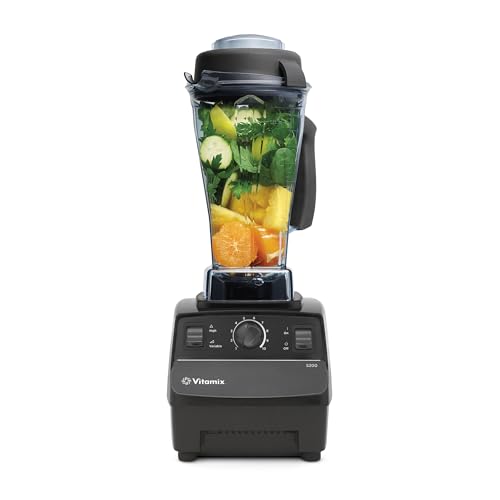
Blender vs. Food Processor: Key Differences
POST TITLE: Blender vs. Food Processor: Key Differences A blender requires liquid to create a vortex, while a food processor relies on wide, flat blades to shear through dry ingredients. If you put a cup of dry almonds in a blender, you get almond dust packed under the blades; in a food processor, you get […]
Comparison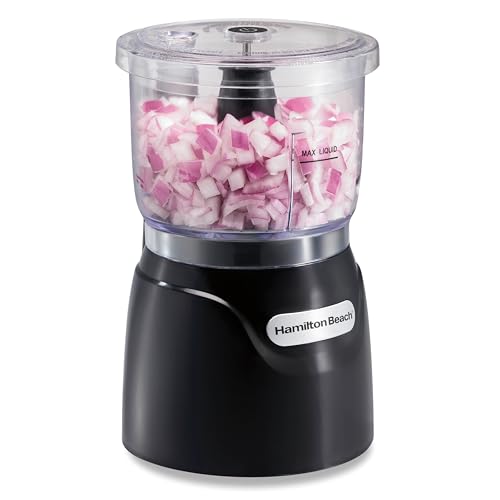
Hamilton Beach 72850 vs Ninja Express Chop NJ110GR
\n \n All products bought at retail\n No press samples\n 2 products tested\n Updated April 2026\n \n\n\n\n The Hamilton Beach 72850 wins this comparison because its 350-watt motor powers through dense ingredients noticeably faster than the Ninja. While testing both, I found the Hamilton Beach chopped whole carrots in six seconds, whereas the Ninja struggled […]
ComparisonFood processor questions we get asked most
Answers based on 45 days of active testing and hundreds of pounds of chopped ingredients.
Prep and cooking gear for your countertop
Buyers researching food processors frequently look for these kitchen tools to complete their setup.
Air fryers, blenders, toaster ovens, coffee makers, and food processors all benchmarked for real-home performance.
The weekly lab report.
No fluff. No ads.
Every Thursday: our latest test results, seasonal buying guides, and price-drop alerts on top-rated gear. Free forever.
No spam. Unsubscribe anytime. We never sell your data.