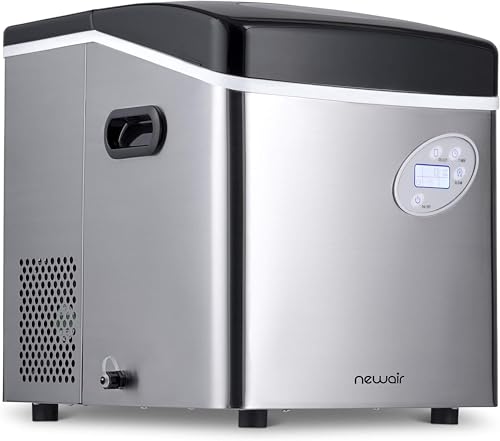
People love nugget ice because it is soft and chewable. You might know it from your favorite fast food drive-thru. Now you can make it right in your own kitchen. Understanding how these machines create that perfect texture helps you appreciate the process. It is a fascinating mechanical process.
This guide explains the mechanics behind your favorite crunchy ice. We will walk through the freezing process and how the ice gets its unique shape. You will learn why these machines operate differently than standard freezer ice makers. Knowing these details can also help you maintain your appliance better. Let us get started on this frosty topic.
The Water Reservoir and Chilling Process
The journey to perfect nugget ice begins in the water reservoir. You fill the tank with clean water to supply the machine. A small pump moves this water into a specialized freezing cylinder. This cylinder gets extremely cold very quickly thanks to a built-in compressor. The rapid temperature drop is the first crucial step in ice production.
As the water touches the freezing walls of the cylinder, it starts to crystallize. It does not freeze into a solid block like traditional ice cubes do. Instead, it forms a thin layer of flaked ice along the interior surface. This continuous freezing method keeps the ice soft and manageable. The machine constantly monitors the water level to keep the process moving.
The Auger System at Work
Inside the freezing cylinder sits a large metal screw called an auger. This component constantly rotates while the water freezes against the walls. The spinning blades scrape the thin layers of ice off the sides. This scraping action prevents the ice from hardening into a solid mass. It gathers all the tiny ice flakes and pushes them upward toward the top of the cylinder.
The auger does a lot of heavy lifting during this phase. It acts like a conveyor belt for the freshly scraped ice flakes. As it pushes the flakes higher, they begin to clump together. This upward movement is essential for creating the final texture you want. Without the auger, you would just have a frozen block of water stuck inside the machine.
Compressing the Ice Flakes
The real magic happens at the top of the freezing cylinder. The auger forces the loose ice flakes through a small metal extruder. This extruder has tiny holes that shape the ice into small cylinders. As the flakes squeeze through these holes, they compress tightly together. This pressure binds the flakes without freezing them completely solid.
This compression step gives nugget ice its famous chewable texture. The tiny air pockets trapped between the flakes make the ice soft enough to bite. Once the compressed ice pushes through the holes, it breaks off into small pieces. Machines like the GE Profile Opal 2.0 XL with 1 Gallon Tank excel at this exact process. They drop those perfect chewable nuggets right into the bin for your drinks.
Melting and Recycling Water
Nugget ice makers do not act like freezers once the ice is made. The storage bin is insulated but not actively refrigerated. This means the ice will slowly melt over time if you do not use it. The melting process is actually a deliberate design choice for these appliances. It keeps the ice fresh and prevents the nuggets from clumping together into a giant iceberg.
You do not have to worry about wasting water when the ice melts. The bottom of the storage bin features a drain that catches the runoff. This melted water flows right back into the main reservoir. The machine then pulls that recycled water back into the freezing cylinder to make fresh ice. It is a continuous loop that ensures you always have fresh nuggets available.
Final Thoughts
Understanding how nugget ice makers work makes you appreciate that perfect crunch even more. The combination of a freezing cylinder and a rotating auger creates a unique texture you cannot get from a standard freezer. You can now enjoy your favorite beverages with a steady supply of soft ice. Just keep the water tank full and let the machine handle the rest.
Frequently Asked Questions
Why is nugget ice so soft?
Nugget ice is made from compressed ice flakes rather than a solid block of frozen water. This process leaves tiny air pockets inside each nugget. Those air pockets make the ice easy to chew and quick to absorb drink flavors.
Do nugget ice makers keep the ice frozen?
Most countertop models have insulated bins but do not actively freeze the stored ice. The ice will slowly melt over time. The machine catches the melted water and recycles it to make a fresh batch.
How often should I clean my nugget ice maker?
You should descale and clean your machine every few weeks to prevent mineral buildup. Regular cleaning keeps the internal auger running smoothly. It also ensures your ice always tastes fresh and clean.