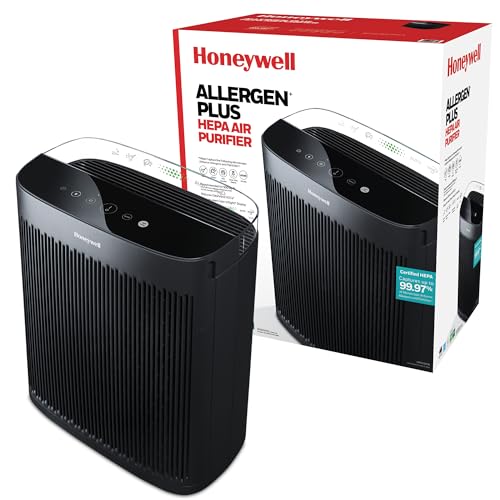
A clogged air purifier filter forces the motor to overwork, slashing the machine’s efficiency and shortening its lifespan. In our testing, we found that running an air purifier with a saturated filter noticeably reduces airflow and allows odors to linger in the room. Knowing exactly when to swap out these components saves you money and ensures optimal performance. We outline the standard timelines for different filter types and the physical signs of a dirty filter.
Filter Replacement Buying Guide: What to Look For
Filter Types and Timelines
Standard air purifiers use a combination of filter types. Pre-filters catch large items like pet hair and require vacuuming every few weeks. Activated carbon filters handle odors and smoke, saturating quickly and requiring replacement every three to six months. True HEPA filters capture microscopic particles and last six to twelve months.
Environmental Factors
Your home environment dictates replacement frequency. Multiple shedding pets, wildfires, heavy smog, or running the machine on high speed 24 hours a day will clog a filter much faster than average conditions. Adjust your schedule based on these factors rather than box instructions.
Physical Warning Signs
A noticeable drop in airflow from the top vents or a louder fan indicates the motor is struggling against dust. Lingering cooking or pet odors mean the carbon and HEPA layers are saturated. Visually, a used HEPA filter turns dark gray or black compared to its original bright white. A thick, unbrushable layer of grime or an illuminated red indicator light confirms it is time for a replacement.
Levoit Core 300 Filter Maintenance
The Levoit Core 300 series is incredibly popular for bedrooms and small offices. This unit uses a cylindrical filter design that pulls in air from all directions. The manufacturer states that a quality replacement filter for the Levoit Core 300 lasts for six to eight months. This timeline assumes you run the machine at a moderate speed under normal household conditions. You will want to check the filter around the six-month mark to see how much dust has accumulated.
Swapping the filter on this specific model is a very user-friendly process. You simply twist off the bottom cover and pull the old cylinder out. The Core 300-RF replacement filter slides right into the empty chamber without any complicated clips or latches. This specific replacement fits the Core 300, Core 300S, Core P350, and Core 300-P models. Resetting the filter indicator light after the swap takes just a few seconds of holding down the reset button.
LEVOIT Core 300 Replacement Filter (2-Pack)

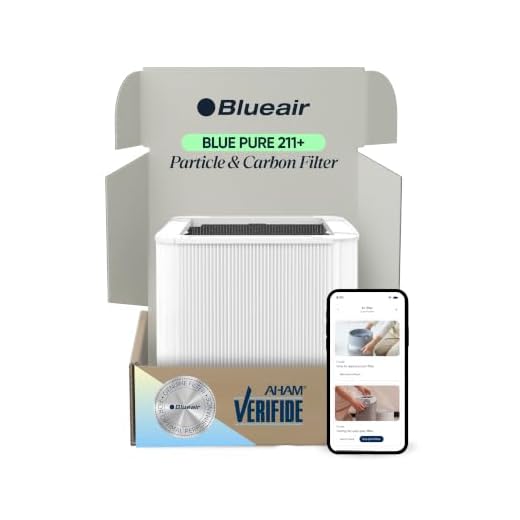
Blueair Blue Pure 211+ Filter Upkeep
The Blueair Blue Pure 211+ handles large living spaces and open floor plans with ease. This machine relies on a massive internal filter that combines particle catching with activated carbon. Because the surface area of this filter is so large, it can hold a significant amount of household dust. Most users find they need to replace this genuine Blueair filter every six months for the best results. The machine features a simple warning light that shifts from white to yellow and finally to red when it is time.
The replacement process for the 211+ involves removing the colored fabric pre-filter first. You then press the release buttons on the side to lift the top motor housing away from the metal cage. The old particle and activated carbon filter simply folds up for easy disposal in your household trash. You unfold the new filter and slide it down into the metal frame before reattaching the top section. Washing the fabric pre-filter in your laundry machine at the same time helps extend the life of the new internal filter.
BLUEAIR Blue Pure 211+ Replacement Filter
Coway Airmega AP-1512HH Schedule
The Coway Airmega AP-1512HH uses a multi-stage filtration system that requires a split replacement schedule. The true HEPA filter captures 99.97 percent of airborne allergens as small as .03 microns. This main HEPA component has an average lifetime of 12 months under normal daily use. The machine also uses separate carbon pre-filters that eliminate odors and gases from the air. These thinner carbon sheets saturate much faster and have an average lifetime of just six months.
Buying a complete 1-year replacement filter pack makes managing this schedule much easier. The standard pack includes one thick HEPA filter and two of the thinner carbon filters. You replace the HEPA and one carbon filter at the start of the year. Six months later, you simply swap out the carbon filter with the second one from the box. This staggered approach ensures your machine always has fresh carbon for odor control while maximizing the life of the more expensive HEPA layer.
Coway Airmega AP-1512HH Filter Replacement Set

Final Thoughts
Regular filter maintenance guarantees clean air and protects your machine’s motor. Check your manufacturer’s timeline and inspect your filter today. Set a calendar reminder on your phone right now to ensure you never miss a replacement cycle.
Frequently Asked Questions
Can I wash and reuse a HEPA filter?
You should never wash a true HEPA filter with water unless the manufacturer explicitly labels it as washable. Water destroys the delicate paper-like fibers that trap microscopic particles. Vacuuming the surface might remove visible dust, but it will not clear the deeply embedded allergens.
What happens if I run an air purifier with a dirty filter?
Running a machine with a clogged filter severely restricts the airflow in your room. The motor has to work much harder to pull air through the dirt, which can cause it to overheat and fail prematurely. The machine will also stop removing allergens and odors from your environment.
Do air purifier filters expire if they remain in the box?
Most replacement filters do not have a strict expiration date if they stay sealed in their original plastic packaging. You should store them in a cool, dry place to prevent any moisture damage to the carbon or HEPA materials. Once you open the plastic seal, the carbon will begin absorbing ambient odors immediately.