Your morning cup of coffee relies heavily on the internal health of your brewing machine. Over time, minerals from your tap or filtered water build up inside the heating elements and tubes. This chalky residue is known as limescale. If left unchecked, limescale can ruin the taste of your coffee and eventually break your machine. Learning how often to descale your coffee maker is a basic part of kitchen maintenance.
In this guide, we will cover the exact timelines you should follow to keep your brewer in top shape. We will look at how water hardness and daily usage affect your cleaning schedule. You will also learn how to spot the warning signs of a clogged machine before it stops working completely. By the end of this article, you will know exactly when and how to clear out those stubborn mineral deposits. Keeping a regular schedule ensures your coffee always tastes fresh and hot.
Understanding the Descaling Process
Descaling is a specific cleaning process that targets mineral buildup inside your coffee maker. Every time you brew a pot, water passes through narrow tubes and over sensitive heating components. Calcium and magnesium naturally separate from the water when it gets hot. These minerals stick to the internal parts and form a hard white crust over time. Regular soap and water cannot dissolve this crust.
You need an acidic solution to break down the limescale safely. Many people try to use white vinegar for this task. However, commercial descaling products are much more effective at removing limescale than vinegar. They also work faster and do not leave a lingering salad dressing smell in your next pot of coffee. Removing this scale extends the lifespan of your machine by preventing damage to the heating elements.
General Timelines for Descaling
The standard rule of thumb is to descale your coffee maker every three to six months. This timeline works well for households that brew one or two pots of coffee a day using water with average mineral content. If you live in an area with hard water, you will need to perform this maintenance much more frequently. Hard water contains high levels of calcium that build up rapidly inside small appliances. You might need to descale every month if your tap water is particularly hard.
Usage frequency also plays a major role in your cleaning schedule. A machine that runs four times a day will accumulate scale much faster than a machine used only on weekends. Some modern coffee makers have built-in sensors that track your brew cycles. These smart machines will flash a warning light when it is time to run a cleaning cycle. If your machine lacks a warning light, setting a recurring calendar reminder is a smart way to stay on track.
Warning Signs of Mineral Buildup
Sometimes your coffee maker will tell you it needs attention before your calendar reminder goes off. The most obvious sign is a change in the temperature of your coffee. Scale acts as an insulator on the heating element, which prevents the water from reaching the proper brewing temperature. You might also notice that your machine takes twice as long to brew a standard pot. Sputtering noises and excessive steam are clear indicators that water is struggling to pass through clogged tubes.
The taste of your coffee will also suffer when your machine is full of scale. Limescale prevents the water from extracting the full flavor profile from your coffee grounds. You might notice a weak, bitter, or metallic taste in your morning cup. White flakes floating in your carafe or sitting at the bottom of your mug are another dead giveaway. Paying attention to these physical signs will help you catch buildup before it causes permanent damage.
Choosing a Powder Descaler
When it comes time to clean your machine, you have a few different options for descaling solutions. Powder descalers are highly concentrated and take up very little storage space in your pantry. You simply dissolve the powder in warm water before pouring it into your machine’s reservoir. This format is easy to dose based on the specific size of your coffee maker. A standard ratio is usually one ounce of descaling powder per thirty-two ounces of water capacity.
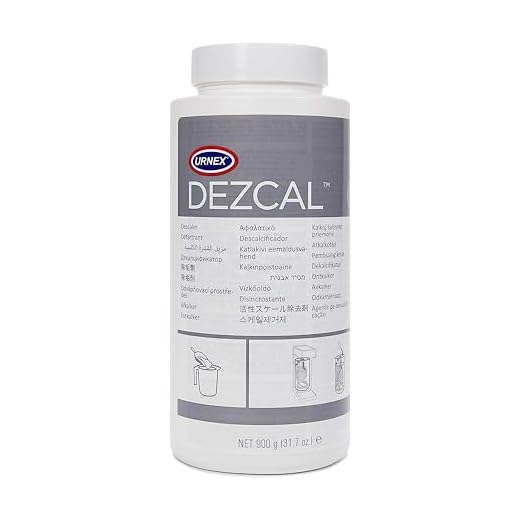
The Urnex Dezcal Coffee and Espresso Machine Descaler is a universally compatible option for this task. It works well in standard drip brewers, Keurig machines, and high-end espresso makers. The activated scale remover works quickly to dissolve stubborn mineral deposits. Using a dedicated product like this ensures you drink better tasting coffee without the risk of vinegar residue. It comes in a large tub that will last through many cleaning cycles.
Urnex Dezcal Coffee Machine Descaler
Using Liquid Descaling Solutions
Liquid descalers offer a convenient alternative to powders if you prefer a pre-mixed format. You do not have to worry about dissolving crystals or stirring the solution before use. You just pour the required amount of liquid directly into the water reservoir and add fresh water to dilute it. This saves a little bit of time during the preparation phase of your cleaning cycle. Liquid options are generally formulated to be gentle on the internal seals and valves of your brewer.
The OXO BREW All-Natural Descaling Solution is a great liquid option for routine maintenance. It comes in a fourteen-ounce bottle that provides enough solution for a standard cleaning cycle. The all-natural formula breaks down mineral deposits safely and effectively. You can use it in any standard drip coffee maker to keep the internal components running smoothly. Just run a few cycles of fresh water through the machine afterward to rinse it completely.
OXO Brew All-Natural Descaling Solution

Final Thoughts
Keeping up with a regular descaling schedule is the best way to protect your coffee maker. Removing mineral buildup ensures your water gets hot enough to extract the best flavor from your beans. A clean machine will serve you well for years to come.
Frequently Asked Questions
Can I use vinegar instead of a commercial descaler?
You can use white vinegar, but it is less effective at removing heavy limescale than commercial products. Vinegar also requires many more rinse cycles to remove the strong odor and taste.
What happens if I never descale my coffee maker?
Mineral deposits will eventually clog the internal water lines and coat the heating element. This will cause your coffee to taste bad, brew slowly, and eventually cause the machine to break down completely.
How do I know if my water is hard?
Hard water often leaves white spots on your clean dishes and a chalky residue around your faucets. You can also purchase cheap water testing strips online to check the exact mineral content of your tap water.
Do I need to descale if I use filtered water?
Yes, you still need to descale your machine even if you use filtered water. Most standard water filters do not remove all the calcium and magnesium that cause limescale buildup.


