Cooking meat to the right temperature keeps you safe and ensures good flavor. Over time, even the best kitchen tools can lose their accuracy. Learning how to calibrate a kitchen thermometer is a simple skill that prevents ruined meals. We will walk you through the exact steps to test and adjust your device. A properly calibrated tool means you never have to guess if your food is done.
The process takes only a few minutes and requires basic household items like ice and water. You do not need special tools or technical knowledge to get this done. Regular testing gives you confidence when roasting a holiday turkey or grilling steaks. Knowing your exact temperature readings helps you avoid dry chicken and undercooked pork. Let us look at the most reliable methods for checking your temperature readings.
The Ice Water Method
The most common way to check your device involves making a proper ice bath. Fill a large glass all the way to the top with crushed ice. Add cold tap water until it sits just below the top of the ice. Stir the mixture well and let it sit for about three minutes so the temperature stabilizes. This creates an environment that sits exactly at 32 degrees Fahrenheit.
Insert your thermometer probe into the center of the glass. Make sure the tip does not touch the sides or bottom of the container. Wait for the reading to stop moving completely. A fast-reading model like the ThermoMaven Professional Meat Thermometer Digital will give you an answer in just half a second. If the display shows exactly 32 degrees, your tool is perfectly accurate and ready for cooking.
ThermoMaven 0.5s Instant Read Thermometer

The Boiling Water Method
Another reliable way to test accuracy is by using boiling water. Bring a deep pot of clean water to a full rolling boil on your stove. The water must be boiling vigorously rather than just simmering. At sea level, water boils at exactly 212 degrees Fahrenheit (100 degrees Celsius). Keep in mind that your local elevation will change this exact boiling point.
Place the probe into the boiling water while keeping it away from the metal pot. Watch the numbers climb until they stop changing entirely. The Professional Digital Meat Thermometer provides a one-second instant read that makes this step very quick. Compare the final number to the boiling point for your specific altitude. A difference of more than two degrees means you should adjust the device.
1-Second Professional Digital Thermometer

Adjusting a Digital Thermometer
Many modern digital models come with a dedicated calibration button. You usually need to hold this button down while the probe sits in the ice water. The screen will flash to indicate it has entered calibration mode. The device will then automatically reset its baseline to 32 degrees Fahrenheit. Always check your specific user manual because different brands use slightly different button combinations.
Some smart devices handle this process through a connected mobile application. The ThermoMaven Smart Bluetooth Wireless Meat Thermometer connects to your phone to help manage temperature settings. You can often view the current offset and adjust it directly on your screen. This makes it very easy to keep your readings exact without pressing tiny buttons. Test the probe one more time after making any changes to confirm the new setting.
ThermoMaven G1 Smart Wireless Meat Thermometer

Adjusting a Mechanical Thermometer
Analog dial thermometers require a manual adjustment using a small tool. Look at the stem just below the dial face to find a small hex nut. You will need a wrench or pliers to grip this nut firmly. Keep the probe submerged in your ice water bath while you make the adjustment. This ensures you can see the needle move to the correct position in real time.
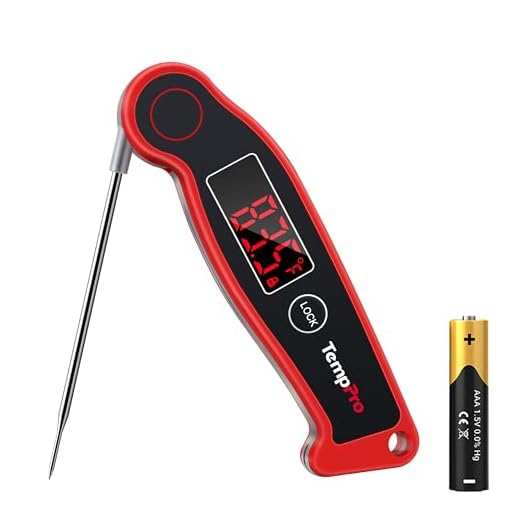
Twist the dial face gently while holding the nut steady with your tool. Turn it until the needle points exactly to the 32-degree mark. Some digital models also feature manual lock functions for similar control. The TempPro TP19 Waterproof Digital Meat Thermometer includes a lock and calibration feature that simplifies this process. Once the needle or digital display is set, your thermometer is ready for your next meal.
TempPro TP19 Waterproof Digital Meat Thermometer
How Often to Check Your Thermometer
Regular testing keeps your kitchen safe and your meals tasting great. Professional chefs often check their tools every single day before service begins. Home cooks should aim to test their devices at least once a month. You should also run a test if you drop the thermometer on a hard floor. Physical shocks can easily knock the internal sensors out of alignment.
Extreme temperature changes can also affect the accuracy of your device. Leaving a thermometer near a hot grill or in a freezing car might cause issues. Make it a habit to check the calibration before cooking large holiday meals. A quick ice bath test takes only minutes and provides total peace of mind. Replacing a broken thermometer is always better than serving undercooked chicken to your family.
Final Thoughts
Knowing how to calibrate a kitchen thermometer ensures your food is always cooked perfectly. The ice water and boiling water methods give you two easy ways to verify your readings. Regular testing protects your family from foodborne illness and prevents dry meals. A few minutes of maintenance will keep your favorite cooking tool working for years.
Frequently Asked Questions
Can all kitchen thermometers be calibrated?
Not all models have a calibration feature. If your basic digital thermometer reads incorrectly and cannot be adjusted, you will need to replace it.
Does altitude affect the ice water test?
Altitude does not change the freezing point of water. The ice bath method remains accurate at 32 degrees Fahrenheit no matter where you live.
Why is my thermometer reading jumping around?
A fluctuating reading usually means the probe is touching the side of your glass or pot. Keep the tip suspended in the middle of the water for a steady number.
Can I use regular ice cubes for the test?
Crushed ice works best because it creates a tighter cold environment. Large cubes leave gaps of warmer water that can throw off your reading.


