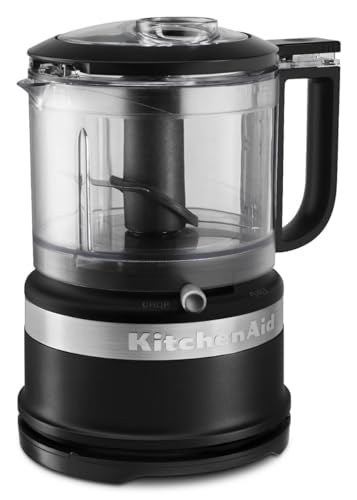
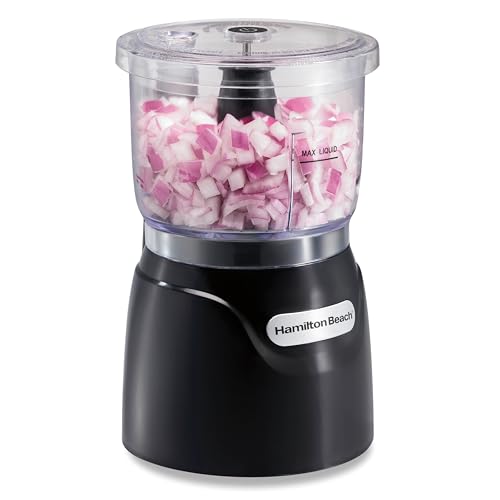
Dried hummus cements itself inside the handle of your food processor within twenty minutes of blending. You scrape out the last bit of dip and leave the bowl by the sink. By the time you start washing dishes, that leftover garlic paste has turned to concrete. Food processors save you an hour of chopping but demand a frustrating scrubbing session if you skip proper maintenance.
The plastic work bowl traps strong odors from onions and spices. The sharp S-blade waits at the bottom of soapy water to slice your fingers. You need a systematic approach to breaking down the machine and tackling the worst stuck-on grime safely.
Most folks just throw the whole bowl assembly into the dishwasher and hope for the best. That high heat warps the plastic over time and dulls the metal blades. Hand washing your food processor takes about five minutes when you follow the right sequence with the correct water temperatures and brushes.
The Ten-Second Blending Trick for Immediate Cleaning
Fill the dirty food processor bowl halfway with warm tap water immediately after scraping out your food. Add exactly two drops of liquid dish soap. Lock the lid in place and run the machine on high for fifteen to twenty seconds. The rapid spinning action forces soapy water into the crevices of the blade and high up the sides of the bowl. This dislodges ninety percent of fresh food debris before it has a chance to dry.
Pour the dirty soapy water down the drain and rinse the bowl with clean hot water. This trick works best for liquid batters, dips, and purees. Sticky doughs or thick nut butters require more hands-on scrubbing. You still need to dismantle the machine for a complete wash, but this preliminary step saves you from scraping hardened food off the plastic walls later.
Breaking Down the Components for a Deep Wash
Unplug the motor base from the wall outlet before you start touching the blades. Twist the bowl counterclockwise to release it from the base. Pull the central S-blade straight up and set it aside in a highly visible spot on your counter. Never drop the blade into a sink full of soapy water where it becomes an invisible hazard. Separate the lid from the bowl and pull the plastic food pusher out of the feed tube.
Many modern food processors feature a multi-part food pusher. Press the release tabs on the bottom of the pusher to separate the inner cylinder from the outer sleeve. Food liquid easily splashes up into this hidden chamber during processing. Soaking these individual plastic parts in a sink filled with warm water and a tablespoon of dish soap softens any remaining food chunks. Let them soak for ten minutes.
Handling and Scrubbing the Sharp S-Blade
The S-blade requires careful handling to protect your fingers and keep the edge sharp. Hold the plastic center column of the blade with one hand. Use a long-handled nylon scrub brush to clean the metal surfaces. Brush away from the sharp edge, moving from the center column out toward the tip. Hot water around 120 degrees Fahrenheit melts away oily residues from pesto or nut butter.
Food often hides inside the hollow center tube of the blade assembly. A standard sponge cannot reach this tight space. Push a thin bottle brush or a clean mascara wand up through the bottom of the column to clear out trapped ingredients. Rinse the entire blade assembly under running hot water and immediately pat it dry with a thick cotton towel to prevent rust spots.

Extracting Grime from the Handle and Feed Tube
The hollow plastic handle on the side of your work bowl is a notorious trap for dirty dishwater and pureed food. Use a soft pipe cleaner or an interdental brush to poke into the tiny openings where the handle meets the main bowl. Scrub back and forth to dislodge trapped particles. A mixture of equal parts white vinegar and warm water helps dissolve sticky sugar residues in these tight gaps.
The feed tube on the lid also contains sharp corners and locking mechanisms that grab onto shredded cheese and vegetables. An old toothbrush is the perfect tool for scrubbing the locking tabs around the rim of the lid. Dip the bristles in undiluted white vinegar and scrub the plastic tracks vigorously. Rinse the lid under warm water to wash away the loosened debris and the vinegar smell.
Wiping Down the Motor Base Safely
You can ruin a heavy-duty motor instantly by exposing the electrical components to running water. Leave the machine unplugged. Lightly dampen a microfiber cloth with warm water and a single drop of dish soap. Wring the cloth out until it is barely wet. Wipe down the front control panel, focusing on the spaces around the buttons or dials where flour and batter settle.
Clean the central metal drive shaft protruding from the top of the base. Wrap the damp cloth around the base of the shaft and twist it to remove dried liquids. Use a dry cotton swab to clean out the locking slots where the bowl clicks into place. Finish by wiping the entire exterior with a dry towel to remove any water streaks from the plastic or stainless steel housing.
Removing Stains and Strong Odors from Plastic Parts
Processing raw garlic, onions, or strong spices leaves a lingering scent embedded in the plastic bowl. Turmeric and tomatoes also leave stubborn yellow or red stains behind. Create a thick paste using three tablespoons of baking soda and one tablespoon of warm water. Use a sponge to rub this abrasive paste directly onto the stained or smelly areas of the plastic bowl and lid.
Let the baking soda paste sit undisturbed on the plastic for twenty minutes. The baking soda naturally absorbs the odor-causing oils and lifts the pigment from the stains. For severe garlic smells, fill the bowl with a fifty-fifty mix of water and white vinegar. Let that solution sit overnight on the counter. Wash the bowl normally the next morning and the odor will vanish entirely.
Drying and Reassembling to Prevent Mildew
Wet plastic parts tightly stacked together create the perfect environment for mold and mildew growth. Never reassemble your food processor while the parts are still damp. Place the bowl, lid, and pushers upside down on a wire cooling rack. This allows air to circulate up and inside the plastic cavities. The hollow handle takes the longest to dry completely.
Check the inside of the blade column and the gaps in the lid locking mechanism for lingering water droplets. Once every single part feels completely dry to the touch, place the bowl back onto the motor base. Store the clean blade inside the bowl and lock the lid loosely on top. Leaving the lid slightly ajar prevents stale air from getting trapped inside the machine between uses.
Quick Tips
- Keep a dedicated toothbrush under your sink specifically for scrubbing out the narrow locking tracks on your food processor bowl.
- Rub a single drop of mineral oil onto the metal S-blade once a month to prevent rust and keep the steel conditioned.
- Never use boiling water to clean the work bowl because temperatures over 180 degrees Fahrenheit will cause the plastic to warp and crack.
- Store the heavy motor base out on your counter instead of hiding it in a cabinet to prevent dropping and damaging the delicate locking tabs.
- Use compressed air from a can to blow out dry flour or powdered sugar that falls into the crevices around the motor buttons.
Frequently Asked Questions
A clean food processor performs better and lasts significantly longer than one plagued by dried food and stress cracks. Taking a few extra minutes to brush out the handle and dry the blade prevents nasty odors from ruining your next batch of salsa. You protect your investment by keeping the motor base dry and the plastic components free of stuck-on grime.
Grab a pipe cleaner and a toothbrush to tackle the tight corners of your machine right now. Wash the parts in hot soapy water, let them air dry completely on a wire rack, and store your appliance ready for its next heavy-duty chopping job.