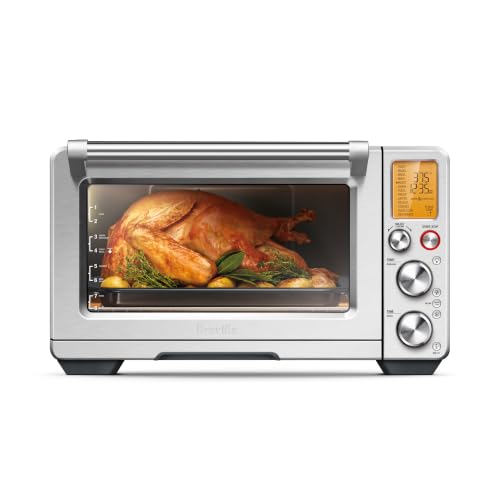
You open the glass door to heat up a slice of pizza and a smell of burnt toast hits your face immediately. Blackened cheese hangs from the wire rack. The bottom tray is a graveyard of crusts and mysterious charred dust. You shut the door and pretend you didn’t see it. Ignoring the mess just makes your food taste like old smoke.
That black sludge is baked-on carbon. Every time you turn the dial past 350 degrees, those food remnants bake harder into the metal walls. Left alone long enough, that buildup catches fire.
You can strip away weeks of neglected grease with supplies you already have under your sink. Set aside about twenty minutes of active scrubbing time. Grab a box of baking soda, dish soap, white vinegar, and a microfiber cloth to get started.
Prep the Appliance and Soak Removable Parts
Always unplug the appliance before you start. Let the metal cool completely if you just used it to toast a bagel. Remove the wire rack, the baking pan, and the slide-out crumb tray from the bottom. These pieces catch the brunt of your messy meals. Take them straight to your sink.
Fill your sink basin with hot water. Add two heavy squirts of a degreasing dish soap like Dawn. Submerge the metal parts completely. Set a timer for twenty minutes to let the hot soapy water loosen the hardened cheese and grease. Sprinkle two tablespoons of baking soda directly onto the trouble spots before soaking if your baking pan has thick black stains. Leave these parts alone while you tackle the interior.
Mix and Apply a Baking Soda Paste
The walls of your oven need a mild abrasive to cut through grease splatters. Grab a small bowl. Mix half a cup of baking soda with three tablespoons of warm water. Stir it around with a spoon until it forms a thick paste. It should feel like gritty toothpaste. Add another pinch of baking soda if the mixture feels too runny.
Dip an old sponge or a soft cloth into your bowl. Spread the paste onto the greasy areas on the ceiling and side walls. Coat the worst spots heavily. Keep the wet paste strictly away from the quartz or metal heating elements. Liquid ruins those delicate tubes instantly. Let the baking soda mixture sit on the walls for at least an hour. Leave the paste overnight to break down the carbonized food for a severely neglected oven.
Scrub the Interior Metal Walls
Return to the oven with a damp microfiber cloth. Wipe away the dried white paste. The baked-on grease will peel right off with the baking soda. You will likely need to rinse your cloth in the sink three or four times to get all the gritty residue out of the oven cavity. Short, firm circles work best for stubborn brown grease spots.
Grab an old toothbrush for the tight corners. Dip the bristles in warm water and scrub the tracks where the wire rack slides in. Those grooves trap hidden oils that start smoking at 400 degrees. Wipe the whole interior down one last time with a clean, damp rag. The metal walls should feel smooth to the touch, not sticky.
Clean the Glass Door Without Scratching
Grease fog on the glass door blocks your view of your food. Commercial glass cleaners often contain ammonia. You absolutely do not want ammonia fumes baking into your next meal. Make a food-safe spray instead. Mix equal parts white vinegar and warm water in a spray bottle.
Spray the vinegar solution directly onto a soft cloth, not onto the glass itself. Spraying the door directly allows liquid to seep into the tiny cracks between the glass and the metal frame. Wipe the glass using broad strokes. Apply a tiny amount of your baking soda paste and gently rub it with your fingers if you have baked-on drips on the glass. Wipe the door completely dry with a paper towel.
Handle the Heating Elements Carefully
The heating elements are the most sensitive parts of your appliance. Most modern units use quartz tubes. These tubes shatter easily if you bump them hard with a sponge or spray them with cold liquids while they are hot. Never apply soap, baking soda, or harsh scrubbers to these parts. A single scratch can cause the element to fail entirely during your next cooking session.
Wait until the tubes are stone cold. Take a soft, dry microfiber cloth. Gently wipe the top and bottom of each tube to knock off any loose dust or rogue breadcrumbs. Dampen a cotton swab with plain water if a piece of cheese melted directly onto the element. Lightly dab the spot until the food softens enough to flake off. Let the element air dry completely for at least two hours before turning the power back on.
Reassemble and Perform a Burn-Off Run
Head back to the sink. Scrub your soaked wire rack and crumb tray with a non-abrasive sponge. The grease should slide right off after the long hot bath. Rinse all the parts under warm water. Dry every single piece completely with a kitchen towel. Water drops left on the metal will cause rust spots within a few weeks.
Slide the dry crumb tray and wire rack back into place. Plug the appliance back into your wall outlet. Turn the temperature dial to 300 degrees. Set the timer for exactly five minutes. Run the empty oven to burn off any microscopic soap residue or lingering moisture. You might smell a faint odor for a minute or two. Your appliance is completely clean and ready for your next meal once the timer dings.
Quick Tips
- Line the flat crumb tray with a single sheet of aluminum foil to catch drips before they bake into the metal.
- Empty the crumb tray every Sunday morning to prevent fire hazards and burnt odors.
- Keep an old toothbrush under your sink specifically for scrubbing out the narrow door hinges and wire rack tracks.
- Wipe down the outer casing with a damp cloth and a drop of dish soap once a week to prevent sticky fingerprint buildup.
- Clean the appliance while the metal is slightly warm but completely unplugged to make grease removal much easier.
Frequently Asked Questions
A clean appliance cooks your food faster and keeps your kitchen smelling fresh. You just saved yourself from a potential grease fire by taking a few minutes to scrub away that stubborn carbon. Routine maintenance takes away the need for heavy scrubbing sessions down the road.
Take ten seconds right now to wrap your clean crumb tray in a fresh sheet of aluminum foil. Slide it back into the bottom slot. Your appliance is ready for tomorrow morning’s breakfast.