Your vacuum sounds like an airplane taking off but leaves dog hair sitting right on the living room rug. The motor whines high and tight. You flip the machine over to check the brush roll. It spins fine. The real culprit hides inside the dust cup assembly. A clogged filter chokes the airflow straight to the motor.
Washing that filter changes everything. Most manufacturers recommend a cold water rinse every month for bagged and bagless machines. Waiting until the machine overheats means you risk blowing the motor. You will need a trash bag, a soft bristle brush, and running tap water.
Different vacuums use different filter materials. Foam, felt, and pleated paper all require specific cleaning methods. Ruining a HEPA filter costs you forty dollars in replacement parts. We will cover exactly how to knock out the dust, wash the safe materials, and dry them out completely before you plug the machine back in.
Locate and Identify Your Specific Filter Types
Modern upright and stick vacuums usually contain two or three separate filters. The pre-motor filter sits right below or behind the dust canister. This piece blocks heavy debris and dust from hitting the spinning motor blades. It usually looks like a thick sponge or a flat piece of dense felt. You pull this one out first.
The post-motor filter lives near the exhaust vent. It catches microscopic allergens before the machine blows the air back into your living room. This is almost always a pleated paper HEPA filter enclosed in a plastic frame. You must identify which material you are holding because soaking a paper HEPA filter will destroy it instantly. Check your manual if the material feels stiff like cardboard.
Prep the Area and Empty Loose Dirt
Take the filters outside to the garage or the driveway. Smacking a dusty sponge inside your kitchen releases a cloud of fine gray particulate right onto your countertops. Bring a plastic grocery bag with you. Hold the foam or felt filter low inside the bag to contain the mess.
Tap the plastic rim of the filter gently against the outside of your knuckles. Never smack the filter directly against a hard trash can edge. The plastic frames crack easily under pressure. You will see a shocking amount of fine powder fall out. Keep tapping until the loose dust stops falling. This dry-tapping step saves you ten minutes of rinsing time at the sink.
Wash Foam and Felt Pre-Motor Filters
Bring your foam and felt pieces to the kitchen sink. Turn on the cold tap water at a medium flow rate. Warm or hot water melts the glues holding the felt layers together. Hold the filter under the running cold water. Let the water push through the material from the clean side to the dirty side. This pushes the trapped dirt out instead of driving it deeper into the fibers.
Squeeze the foam gently like a sponge. The water will run dark gray or brown at first. Keep rinsing and squeezing until the water runs completely clear. Do not twist or wring the foam aggressively. Wringing tears the internal foam structure and ruins the tight seal your vacuum needs to maintain suction. Just press the material flat between your palms to expel the dirty water.
Handle Pleated HEPA Filters With Extreme Care
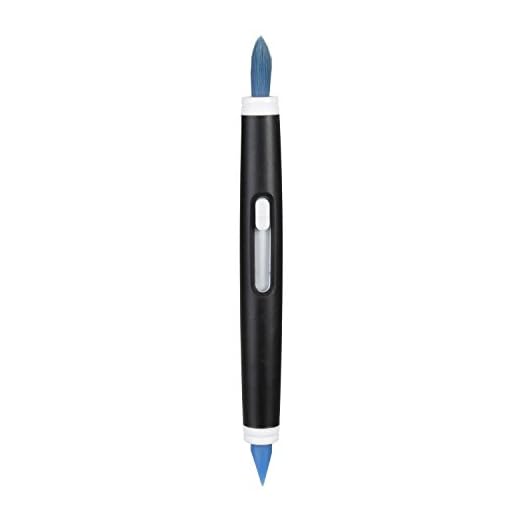
Most pleated HEPA filters cannot touch water. The dense paper fibers mat down and clump together when wet. This ruins the microscopic pores that trap allergens. For a dry HEPA filter, grab a soft-bristled brush. A clean, dry paintbrush or a cheap makeup brush works perfectly. Brush gently between every single fold to loosen the trapped dog dander and drywall dust.
Some newer stick vacuums feature washable HEPA filters. The plastic casing will explicitly say washable printed on the side. If you have one of these, run cold tap water down through the pleats. Do not scrub the wet paper with a brush or your fingers. The wet fibers tear easily. Shake the frame vigorously over the sink to remove the excess water once it runs clear.
Dry Everything for a Full Twenty-Four Hours
This is the exact step where most people ruin their vacuums. You must let wet filters air dry in a well-ventilated space for at least twenty-four hours. A damp foam filter sucked back into a vacuum pulls moisture directly into the electrical motor housing. This causes immediate electrical shorts and permanent rust damage. Place your clean parts on a dry towel near a sunny window.
Keep the room temperature around seventy degrees. Stand the foam pieces up on their edges rather than laying them flat. This allows air to circulate around all sides of the material. Do not speed up the process with a hair dryer or by tossing them in the clothes dryer. Artificial heat warps the plastic frames and shrinks the foam, creating air leaks in your dust cup.
Reassemble the Vacuum Components Correctly
Press your fingers deep into the thickest part of the foam to verify it feels bone dry. Once you confirm zero moisture remains, slide the felt piece back into its plastic housing first. The foam cylinder usually stacks directly on top of the felt. Pay attention to any arrows or locking tabs printed on the plastic collars. They must click firmly into place.
Seat the pre-motor filter assembly back into the vacuum base. Snap the dust canister securely over the top. A loose fit drops your suction power by half. Check the rubber gaskets around the post-motor exhaust filter. Wipe them with a dry microfiber cloth before locking the HEPA filter back into the grill. A clean seal forces all the dirty air through the filter instead of leaking around the edges.
Establish a Monthly Maintenance Routine
Set a recurring reminder on your phone for the first Saturday of every month. Heavy use requires more frequent cleaning. You vacuuming up baking soda, fine construction dust, or heavy pet hair means you need to wash the foam filters every two weeks. Fine powders clog the porous foam almost immediately.
Buy a spare set of replacement filters online. Having a backup set means you can swap out the dirty filters and vacuum the house immediately. You clean the dirty ones at your own pace and let them dry on the counter without rushing. Plan to throw away and completely replace foam filters every six months and HEPA filters once a year.

Quick Tips
- Add three drops of mild dish soap to a bowl of cold water to cut through grease on foul-smelling foam filters.
- Keep a dedicated soft toothbrush in your utility drawer just for scrubbing the plastic mesh cyclone cones inside the dust cup.
- Sprinkle a tablespoon of dry baking soda into the trash bag before tapping out your dusty filters to neutralize airborne odors.
- Write the date on the plastic frame of your new HEPA filter with a permanent marker so you remember exactly when to replace it.
- Never use laundry detergent or bleach on vacuum foam because harsh chemicals deteriorate the material within weeks.
Frequently Asked Questions
Maintaining clean filters keeps your vacuum pulling dirt from your carpets exactly like it did on day one. A cold water rinse costs you nothing and saves you from buying a brand new machine. Take ten minutes this weekend to pop open the dust cup and see what your pre-motor foam looks like.
Tap out the loose dirt outside. Rinse the washable pieces until the water runs clear. Give them a full day on the counter to dry out. Your floors will get cleaner in less time with half the effort.


