Introduce the problem of dirty grout. Grout lines easily trap dirt and moisture. This turns bright white lines into dark gray or brown stripes over time. Learning How to Clean Grout Between Tiles: Easy Step-by-Step Guide saves you from expensive regrouting projects. You can restore the original color of your floors and walls with a few simple techniques.
The right tools and cleaners make a massive difference in your results. Scrubbing with the wrong chemicals can actually damage the grout or surrounding tiles. We will walk through the exact process to lift stubborn stains safely. You will find out exactly what supplies work best for different types of tile. Let us get started on bringing those dirty grout lines back to life.
Step 1: Gathering Your Cleaning Supplies
Before you start scrubbing, you need to collect the right tools for the job. A dedicated grout brush is essential because standard sponges cannot reach into the narrow crevices. The OXO Good Grips Grout Brush features tough bristles that cut through mildew and soap scum. It also has a non-slip handle that provides a secure grip when your hands get wet. Having a reliable brush prevents hand fatigue during long cleaning sessions.
You also need a high-quality cleaning solution to break down the grime. Many people reach for bleach, but acid-free cleaners are much safer for long-term grout health. You want a formula that lifts embedded dirt without degrading the grout or damaging nearby marble and granite. Keep a bucket of warm water and a few clean microfiber cloths nearby for rinsing. Proper preparation keeps the actual cleaning process moving quickly.
OXO Good Grips Grout Brush

Step 2: Applying the Grout Cleaner
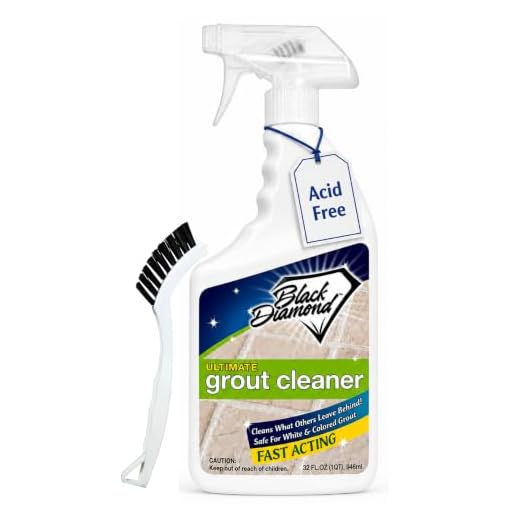
Start by sweeping or vacuuming the floor to remove loose dust and hair. Once the area is clear, you can apply your chosen cleaning solution directly to the grout lines. The Black Diamond Ultimate Grout Cleaner offers an easy spray application that targets the narrow joints. You should spray the cleaner generously so the grout becomes completely saturated. Working in small sections prevents the liquid from drying out before you have a chance to scrub.
Patience is a critical part of this step. You must let the cleaner sit on the grout for one to three minutes. This dwell time allows the formula to break down grease, dirt, and soap scum effectively. Rushing this step means you will have to scrub much harder later on. Give the chemicals time to do the heavy lifting before you pick up your brush.
Black Diamond Ultimate Grout Cleaner
Step 3: Scrubbing the Grout Lines
Now comes the physical part of the cleaning process. Take your grout brush and scrub back and forth along the saturated lines. Apply firm pressure to agitate the dirt that the cleaner has loosened. You will see the dirty liquid bubble up as the embedded grime lifts away from the surface. Pay special attention to corners and areas near the shower drain where soap scum accumulates heavily.
If you have a large area to clean, manual scrubbing can become tiring. An Electric Spin Scrubber takes the manual labor out of the equation. These upgraded bathroom cleaners use motorized brush heads to power through tough stains quickly. You just guide the spinning head along the grout lines while the machine does the work. This method is especially helpful for large tiled floors or tall shower walls.
Electric Spin Scrubber with Extendable Handle

Step 4: Rinsing and Drying the Area
Leaving dirty water on the floor will just push the grime back into the porous grout. You must rinse the area thoroughly immediately after scrubbing. Use a mop or a damp microfiber cloth to wipe away the dirty cleaning solution. Rinse your cloth frequently in a bucket of clean, warm water to avoid spreading the dirt around. You might need to wipe the area two or three times to remove all the residue.
Drying the floor is the final step in the cleaning process. Grab an old towel and wipe down the grout lines to absorb any remaining moisture. This prevents water spots and helps you see the true color of your newly cleaned grout. You can also turn on a ceiling fan or open a window to speed up the drying time. Once the grout is completely dry, you can evaluate if any stubborn spots need a second treatment.
Final Thoughts
Keeping your grout clean requires regular maintenance and the right approach. You can easily tackle this chore by following our How to Clean Grout Between Tiles: Easy Step-by-Step Guide. Consistent cleaning prevents permanent stains and keeps your tiled surfaces looking fresh.
Frequently Asked Questions
How often should I clean my grout?
You should perform a deep clean on your grout every few months. High-traffic areas like entryways and showers might require monthly attention. Regular sweeping and mopping will help extend the time between deep cleans.
Can I use vinegar to clean grout?
Vinegar is highly acidic and can slowly eat away at unsealed grout over time. It is better to use an acid-free commercial cleaner or a mild baking soda paste. This protects the integrity of the grout and prevents crumbling.
Does scrubbing too hard damage grout?
Yes, using extreme force with stiff metal brushes can scratch tiles and chip away at the grout. You should rely on a quality cleaning solution to loosen the dirt instead of brute force. A nylon bristle brush provides plenty of agitation without causing damage.


