You spend hours sweeping and mopping, only to find a cloudy film left behind when the sun hits the floorboards at 3 PM. Scratches, dullness, and water damage happen fast. Hardwood floors require specific care because the wrong chemical or a dripping wet mop will warp the wood and strip the polyurethane finish right off. Refinishing a damaged floor costs anywhere from three to eight dollars per square foot. You want to avoid that expense.
You need a method that removes sticky spills and tracked-in dirt while preserving the protective seal. Water is the natural enemy of wood. You have to balance getting the surface clean with keeping moisture to an absolute minimum. We will walk through the exact steps to maintain your floors, from daily dusting to deep cleaning stuck-on grime. You can do all of this using tools you probably already keep in your utility closet.
Forget the popular vinegar and water bucket myth. Acid breaks down floor sealants over time and leaves the bare wood vulnerable to permanent water damage. You can fix your floor care routine right now. This approach keeps your hardwood spotless, protected, and structurally sound for decades.
Determine Your Floor Finish Before Doing Anything
You have to know if your floor is surface-sealed with polyurethane or treated with a penetrating oil seal. Pour exactly one tablespoon of water onto an inconspicuous spot, like inside a closet or behind a heavy sofa. Wait ten minutes. If the water beads up in a tight dome, you have a surface seal. If the water soaks in or darkens the wood, you have a penetrating seal.
Surface-sealed floors can handle light damp mopping. Penetrating seals require specialized waxes and should never see a damp mop. Most floors installed or refinished after 1990 are coated with polyurethane. This guide focuses strictly on surface-sealed floors, as they represent the vast majority of modern homes.
Master the Daily Dusting Routine
Dirt acts like microscopic sandpaper on your floor finish. Every time you step on a piece of grit, you press it directly into the polyurethane. You need to use a dry microfiber mop every single day. Microfiber traps dirt using static electricity instead of just pushing it around like a traditional broom. Keep the mop head flat on the floor at all times.
Work your way across the room in a continuous figure-eight motion. This specific technique keeps the debris trapped in front of the pad. Never lift the mop off the floor until you reach the edge of the room. Once you hit the baseboard, scoop up the collected dirt pile with a dustpan or a handheld vacuum.

Vacuum Properly to Remove Deep Grit
Once a week, you need to pull dirt out from between the floorboards. A standard upright vacuum with a rotating bristle brush will leave fine scratches all over your hardwood. Those nylon bristles spin at three thousand revolutions per minute and hit the floor hard. You must turn the brush roll off entirely or swap to a bare floor attachment.
A canister vacuum with a felt-lined floor brush works best. Focus heavily on the edges of the room and high-traffic pathways where dust bunnies gather. Move the vacuum in the exact same direction as the wood grain. This alignment sucks up trapped particles from the microscopic grooves between the planks much faster.

Choose the Right Commercial Hardwood Cleaner
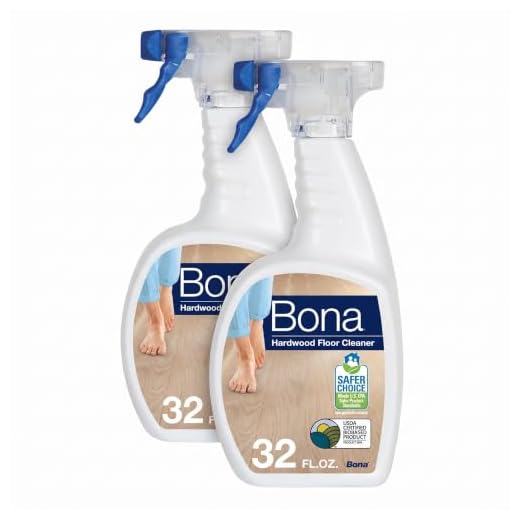
Skip the grocery store floor cleaners that promise a brilliant shine. These products often contain acrylic waxes that build up into a milky, cloudy residue over time. You want a pH-neutral hardwood floor cleaner specifically formulated for polyurethane finishes. The cleaner should sit right around 7.0 on the pH scale.
Buy the spray bottle version instead of the pourable jug. Spraying gives you precise control over how much liquid hits the wood. If you dump cleaner straight from a jug, it seeps into the cracks between the boards and causes the wood fibers to swell. A fine mist is all you need to break down footprints and grease.
Execute the Damp Mopping Technique
You should only mop your hardwood floors once a month. Fill a sink with warm water and dunk a clean microfiber mop pad into it. Wring the pad out until it is barely damp to the touch. It should not drip a single drop when you squeeze it. The pad should hold no more than a tablespoon of moisture.
Lightly mist a three-foot by three-foot section of the floor with your pH-neutral cleaner. Wipe the area with your damp mop pad following the direction of the wood grain. Overlap your strokes by two inches to catch every spot. This small section should take you about thirty seconds to clean.
Dry the Floor Immediately to Prevent Warping
Standing water destroys hardwood faster than almost anything else. Even a slightly damp mop leaves behind a thin layer of moisture. The floor should air dry completely in under sixty seconds. If it takes longer, your mop was entirely too wet.
You need to dry the freshly mopped section right away if there is lingering moisture. Grab a clean, dry microfiber cloth and attach it to your mop head, or just push it around the floor with your foot. Wipe the damp area completely dry before you move on to spray the next three-foot section. Turn on a ceiling fan to speed up the evaporation process.
Tackle Sticky Spills and Scuff Marks Promptly
Do not wait for mop day to clean up a dropped blob of jelly or a muddy paw print. Spot clean spills immediately with a slightly damp paper towel. If an ice cube falls from the refrigerator dispenser, pick it up before it melts into a puddle.
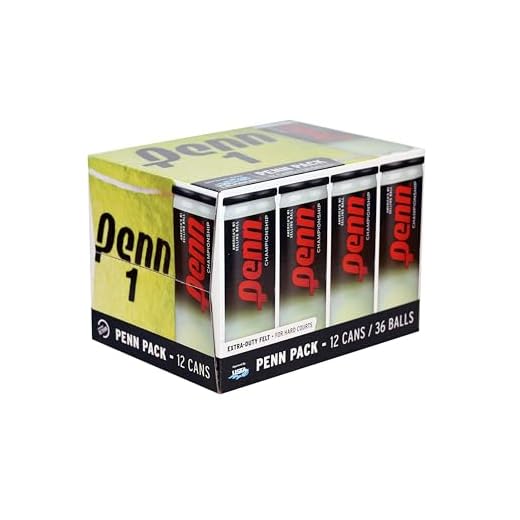
For black scuff marks from shoe soles, grab a clean tennis ball. Rub the felt surface of the tennis ball vigorously over the scuff mark. It works like a giant eraser. The friction pulls the rubber residue off the floor without scratching the protective finish. Wipe the area with a dry cloth to pick up any leftover dust.
Protect High-Traffic Zones with Strategic Mats
Cleaning is much easier when dirt never reaches the wood. Place bristled doormats outside every exterior door and absorbent rugs inside. People walking into your house will leave eighty percent of their shoe dirt on these mats before taking a single step on the hardwood.
Put quarter-inch thick felt pads under every piece of furniture. Focus heavily on dining room chairs that slide back and forth daily. Swap these felt pads out every November and May. Dust and pet hair stick to the adhesive over time and turn the soft pad into a hard abrasive disc.

Quick Tips
- Never use a steam mop on hardwood floors because the 212-degree Fahrenheit steam forces moisture straight through the protective finish and warps the wood underneath.
- Trim your pets’ nails every three weeks to prevent them from gouging the polyurethane coating when they run to the front door.
- Keep your home humidity between 35 and 55 percent year-round to stop the wood planks from shrinking in the winter and cupping in the summer.
- Wash your microfiber mop pads in hot water with regular detergent, but never use fabric softener because it leaves a greasy film that will streak your floors.
- Wipe up pet urine within five minutes to prevent the ammonia from burning a permanent dark stain deep into the floorboards.
Frequently Asked Questions
Keeping your hardwood floors in top shape comes down to minimizing moisture and staying ahead of the dirt. A quick daily sweep with a dry microfiber pad stops grit from scratching the surface, making your monthly damp mopping routine fast and easy. Always test new cleaners in a hidden corner before spraying them across the center of your living room.
Go check your vacuum right now and locate the brush roll switch. Turning off those harsh nylon bristles is the single fastest way to protect your floor finish starting today. Keep a dry cloth nearby for spills, stick to a pH-neutral spray, and your hardwood will outlast your mortgage.


