Making a morning smoothie is a great habit until you look at the dirty blender cup sitting on your counter. Dried fruit and sticky protein powder can turn into a stubborn mess if you leave them sitting too long. Many people dread the cleanup process and end up leaving their equipment in the sink for days. Learning a few quick cleaning tricks will save you time and keep your equipment smelling fresh. You can maintain your daily routine without dreading the aftermath.
The secret to a clean machine is acting quickly before the ingredients have a chance to harden. We will walk through the exact steps to wash your cups and blades safely. You will learn how to handle stubborn stuck-on food and keep the motor base free of sticky spills. Proper maintenance also extends the lifespan of your machine so you get the most out of your investment. Let us look at the best ways to tackle this daily chore.
The Immediate Rinse Method
The absolute best thing you can do for your blender is to rinse it the second you finish pouring your drink. Warm water will immediately wash away loose fruit fibers and sticky liquids before they dry. You do not even need soap for this initial step if you are in a rush to leave the house. Just fill the cup halfway with warm water from the tap and swish it around vigorously. Dump the dirty water down the drain and leave the cup in the sink until you have time to wash it properly.
This quick habit prevents the dreaded cement-like crust that forms when protein powder and banana dry on plastic. If you skip this step, you will spend ten times as long scrubbing the cup later. The blades also benefit from a fast rinse because small seeds often get trapped under the metal. A strong stream of water dislodges these particles while they are still soft. You will thank yourself later when you return home to a manageable cleaning task.
The Soap and Water Blend Technique
When you have a few extra minutes, you can let the machine do the hard work for you. Fill your dirty blender cup about halfway with warm water and add a single drop of dish soap. Attach the blade assembly securely and place the cup back onto the motor base. Run the machine for about ten to fifteen seconds to create a soapy vortex inside the cup. This fast motion forces the soapy water into every tiny crevice around the blades and the plastic threads.
After the cycle finishes, take the cup off the base and carefully unscrew the blade attachment. Rinse both pieces thoroughly under warm running water until all the soap bubbles disappear. You might need to use a soft sponge to wipe the rim where your mouth touches the cup. Set the parts on a drying mat or a dish rack so they can air dry completely. This method works incredibly well for daily maintenance and keeps your equipment looking brand new.
Deep Cleaning the Cups and Blades
Sometimes a quick wash is not enough to remove lingering odors from strong ingredients like garlic or peanut butter. You can rely on your dishwasher for a more thorough cleaning session when needed. Many popular models allow you to place the plastic cups directly on the top rack of the dishwasher. You should always wash the blade assemblies by hand to prevent the high heat from damaging the rubber gaskets. Simply twist off the blades and rinse them with soap and water at the sink.
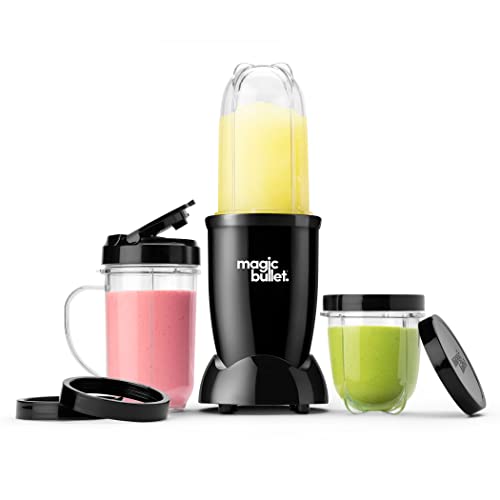
The NutriBullet is a great example of a machine that makes this process incredibly simple. You just push, twist, and blend your daily smoothies using its 600 watts of power. When you finish your drink, the intuitive design lets you twist off the blades for a quick rinse. You can then place the cups right on the top rack of your dishwasher to get them completely clean. This simple routine ensures your equipment stays hygienic and ready for your next healthy recipe.
nutribullet Personal Blender (600W)

Caring for the Motor Base
The motor base requires a completely different approach because it houses all the electrical components. You must never submerge the base in water or place it in the dishwasher under any circumstances. Unplug the machine from the wall outlet before you attempt to wipe down the exterior. Take a damp cloth or a sponge and gently wipe away any drips or spills on the plastic housing. You can use a tiny amount of mild dish soap on the cloth for sticky spots.
Pay special attention to the small actuators and grooves where the cup locks into the base. Liquid often pools in these areas and can cause the mechanisms to stick over time. You can use a cotton swab dipped in warm water to clean out these hard-to-reach crevices. Dry the entire base thoroughly with a clean towel before you plug it back into the wall. Keeping the base clean prevents bad odors and ensures the machine operates safely every single time.
Final Thoughts
Keeping your blending equipment clean does not have to be a frustrating chore. A quick rinse immediately after use will save you from scrubbing dried food off the plastic walls. Regular maintenance of the blades and the motor base will keep your machine running smoothly for years. You can now enjoy your daily smoothies without worrying about a massive mess in the kitchen.
Frequently Asked Questions
Can I put my blender blades in the dishwasher?
Most manufacturers recommend washing the blade assemblies by hand with warm soapy water. The high heat of a dishwasher can warp the rubber gaskets and cause the blades to dull faster.
How do I get rid of bad smells in my blender cup?
You can eliminate stubborn odors by blending a mixture of water, baking soda, and a little lemon juice. Let the mixture sit in the cup for ten minutes before rinsing it out thoroughly.
Why is my blender base sticky?
Sticky residue usually comes from overfilling the cup, which causes liquid to leak out during the blending process. You can clean the base with a damp cloth and a small amount of mild dish soap.
How often should I deep clean my blender?
You should perform a deep clean at least once a week if you use the machine every day. This involves scrubbing the threads, cleaning the base crevices, and washing the cups on the top rack of the dishwasher.