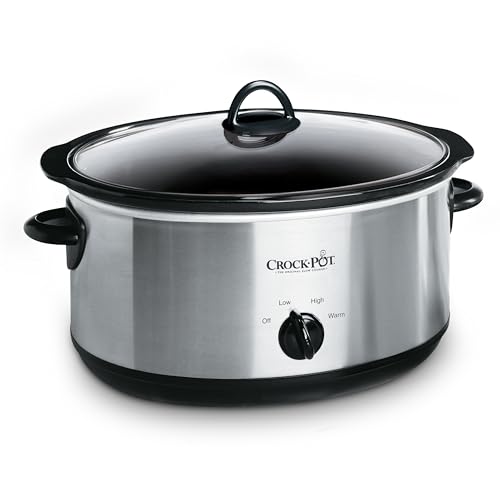
You planned to start a beef stew at 8 AM before leaving for work. Now it is 4 PM. Your chuck roast is sitting on the counter, and your slow cooker recipe demands eight hours on the LOW setting. You can still salvage dinner by moving that meal to your Instant Pot. The mechanics of the two appliances are vastly different. A slow cooker slowly brings food up to a simmer around 209 degrees Fahrenheit over several hours. An Instant Pot traps steam to raise the internal temperature to 240 degrees Fahrenheit. This cooks your ingredients in a fraction of the time.
Making the switch requires more than just guessing a random cook time on the digital display. Pressure cookers need liquid to build steam. Slow cookers rely on gentle, prolonged heat that creates its own liquid over time. You have to adjust your recipe measurements to match the specific environment inside a sealed pressure cooker.
Most standard slow cooker recipes transition perfectly to an electric pressure cooker with three basic adjustments. You will need to change your cook time, reduce your total liquids, and hold back your dairy ingredients until the very end.
Calculate the New Pressure Cooking Time
Translating hours into minutes is your first step. A recipe that needs eight hours on LOW in a slow cooker generally takes about 30 minutes of high pressure cooking. Recipes calling for four hours on HIGH translate to roughly 20 to 25 minutes in your Instant Pot. This rule applies primarily to large cuts of meat like pork shoulders or beef roasts. Chicken breasts cook much faster and only need about 10 minutes under pressure to prevent them from drying out.
Always account for the time it takes your Instant Pot to come up to pressure. A pot filled to the maximum line with cold ingredients takes up to 20 minutes to seal before the actual cooking timer starts. You need to factor this hidden time into your dinner schedule. Large, dense root vegetables like whole potatoes might require 12 minutes. Diced carrots only need three minutes. Base your final time calculation on the main protein or the hardest vegetable in your pot.
Reduce the Total Recipe Liquid
Slow cookers trap moisture over hours of simmering. Ingredients like chicken and zucchini release water as they break down, turning a thick sauce into a watery soup by dinnertime. Pressure cookers trap absolutely everything. No steam escapes during the cooking cycle. You must cut the liquid from your original slow cooker recipe by about twenty percent to get the right consistency. If your slow cooker recipe calls for two cups of chicken broth, use one and a half cups instead.
You still need to meet the minimum liquid requirement for your specific Instant Pot model. Most six-quart pots require at least one full cup of thin liquid to generate enough steam to pressurize. Eight-quart models usually need a cup and a half. Water, broth, and thin fruit juices count toward this total. Thick sauces like canned crushed tomatoes or condensed soups do not count as thin liquids. They will scorch on the bottom of the pot before enough steam builds up.
Hold Back Dairy and Thickeners
Boiling milk under pressure is a disaster. Dairy products like heavy cream, sour cream, and cream cheese will curdle and separate at 240 degrees Fahrenheit. You must leave these ingredients out of the pot during the main pressure cycle. Wait until the timer goes off and the pressure is fully released. You then stir the dairy directly into the hot liquid. The residual heat easily warms the cream without breaking the emulsion.
Thickening agents cause similar problems during pressure cooking. Flour and cornstarch settle to the bottom of the insert and trigger the burn warning on your display screen. To adapt a slow cooker stew or gravy, leave the thickeners out completely at first. Once the pressure cooking completes, mix equal parts cornstarch and cold water in a small bowl. Switch your Instant Pot to the Sauté setting and stir this slurry into the boiling sauce for three minutes until it thickens.
Adjust the Order of Your Ingredients
You can dump everything into a slow cooker at once. Electric pressure cookers demand strategic layering to prevent scorching and mushy vegetables. Put your main liquid at the very bottom of the stainless steel insert. Place your heavy proteins like chuck roast or pork butt directly into that liquid. Stack your root vegetables like potatoes and carrots on top of the meat. Keep them out of the broth so they steam rather than boil into absolute mush.
Sugary sauces and tomato pastes belong at the very top of your ingredient pile. Do not stir them into the broth. Sugars burn instantly when they touch the bottom heating element of a pressure cooker. Simply spoon your barbecue sauce or tomato paste over the top of your meat and vegetables. The pressure cycle forces the flavors downward through the food as it cooks. You can stir everything together once you open the lid.
Brown Meat Before Pressure Cooking
Most slow cooker recipes skip browning because it dirties an extra skillet. Your Instant Pot has a built-in Sauté function that handles this step in the same pot. Searing your meat creates a deep, caramelized flavor profile that a slow cooker cannot replicate. Turn on the Sauté setting and let the pot heat up for three minutes. Add a tablespoon of oil and sear your beef chunks or chicken thighs for four minutes per side until deeply browned.
You must deglaze the pot immediately after browning meat. The caramelized bits stuck to the bottom of the stainless steel insert taste amazing but will trigger a burn error if left unattended. Pour your recipe liquid into the hot pot. Scrape the bottom vigorously with a wooden spoon to lift every single browned bit. This cleans the heating surface and infuses your cooking broth with an incredibly rich, savory flavor base before you seal the lid.
Select the Right Pressure Release Method
Slow cookers let you pull the lid off whenever you want. Pressure cookers require a specific depressurization strategy based on what you are cooking. A quick release involves opening the steam valve immediately after the timer ends. Use this method for delicate vegetables, pasta, and seafood. Releasing the steam fast drops the internal temperature quickly to stop the cooking process. Leaving shrimp under pressure for an extra ten minutes turns it into rubber.
A natural pressure release is mandatory for large cuts of meat, soups, and foamy starches. You simply leave the pot alone after it beeps. The pressure gradually drops over 15 to 20 minutes as the pot cools down. This slow resting period allows agitated meat fibers to relax and reabsorb moisture. If you quick-release a whole chuck roast, the rapid pressure change forces the juices out of the meat, leaving you with a dry, tough dinner.
Add Delicate Vegetables at the End
Ten hours in a slow cooker destroys fresh spinach and frozen peas. Ten minutes under high pressure does exactly the same thing. You must protect delicate vegetables from the intense, aggressive heat of the main cooking cycle. Leave soft items like bell peppers, zucchini, fresh herbs, and leafy greens on your cutting board while the meat and tough root vegetables cook.
You incorporate these soft ingredients using the residual heat of the pot. Open the lid after the pressure releases. Drop your frozen peas or fresh spinach directly into the hot liquid. Stir the mixture gently and let it sit uncovered for five minutes. The boiling broth carries enough thermal energy to perfectly wilt spinach and warm through frozen vegetables without turning them into an unappealing gray paste.
Modify Spice and Herb Quantities
Long, slow simmering mellows out strong spices. High-pressure steam amplifies certain flavors while completely destroying others. You need to adjust your seasoning measurements when moving a recipe from a slow cooker. Cut potent dried spices like cayenne pepper, cumin, and chili powder by half. The sealed pressure chamber traps the volatile oils, making spicy ingredients taste significantly hotter than they would after eight hours in a vented slow cooker.
Fresh herbs face the opposite problem under pressure. Delicate leaves like basil, cilantro, and parsley turn bitter and lose all their bright flavor at 240 degrees Fahrenheit. Leave them out of the pot entirely during the pressure cycle. Chop your fresh herbs right before dinner. Sprinkle them over the finished dish as a final garnish to maintain their vibrant color and fresh, grassy flavor profile.
Quick Tips
- Cut large roasts into two-inch chunks before pressure cooking to shave 30 minutes off your total processing time.
- Add a splash of apple cider vinegar to tough meats before sealing the pot to help tenderize the connective tissue.
- Swap standard wine quantities for half broth and half wine, as alcohol does not evaporate under pressure.
- Use a steamer basket to keep delicate root vegetables lifted entirely out of the rapidly boiling liquid.
- Buy an extra silicone sealing ring to prevent savory pot roast smells from transferring to your oatmeal recipes.
Frequently Asked Questions
Converting your favorite slow cooker recipes into fast pressure cooker meals saves hours of waiting. You keep the rich, developed flavors of all-day cooking while getting dinner on the table in under an hour. Focus on getting your liquid ratios correct and holding back your dairy ingredients. The rest is just simple math.
Start your conversion journey with a simple recipe like pulled pork or beef stew. Take notes on how much liquid you used and exactly how long you set the timer for. You can easily tweak the timing and seasoning on your next batch to get the exact texture you want.
Recommended Products

Instant Pot Duo Plus 9-in-1 Multicooker (6-Quart)