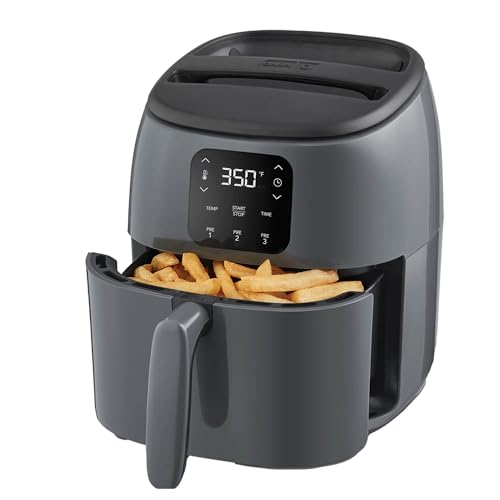
Raw poultry sitting on your cutting board usually leads to two highly disappointing outcomes. You either bake it in an oven until it turns to dry rubber, or you pan-fry it and spend the next hour scrubbing grease splatter off your kitchen backsplash. Cooking chicken in an air fryer solves both massive problems in about fifteen minutes. The high-speed fan forces 400-degree hot air around the raw meat, creating a highly crispy exterior while trapping moisture deep inside the muscle fibers.
Getting the texture right comes down to pairing the correct temperature with the specific cut of meat on your counter. A boneless breast needs a distinctly different approach than a heavy bone-in thigh. You will need a digital meat thermometer, a small bit of oil, and a basic seasoning blend to make this process work. We will walk through exactly how long to cook breasts, thighs, wings, and even whole birds so you get safe, juicy results every single time.
Prepping Your Chicken for the Best Texture
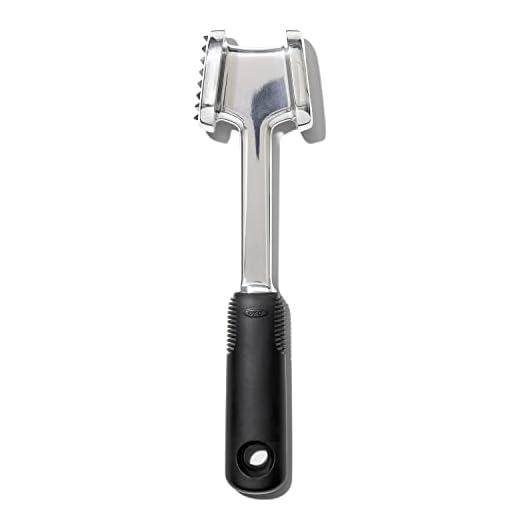
Patting your chicken completely dry with a paper towel is the mandatory first step before any seasoning touches the meat. Moisture on the surface creates steam inside the basket, which prevents the skin or outside layer from getting crispy. If you are cooking boneless, skinless breasts, pound them to an even thickness using a heavy meat mallet. This stops the thin tail end from drying out while the thickest part takes another five minutes to reach a safe internal temperature.
Coat the dried chicken lightly with a high-smoke-point cooking fat. Olive oil spray or a light brush of avocado oil works perfectly for this application. This thin layer of fat gives your dry rub something to grip and helps conduct the heat directly into the meat. Avoid generic aerosol cooking sprays that contain cheap propellants, as they leave a permanent sticky residue on the non-stick coating of your air fryer basket over time.
Cooking Perfect Boneless Skinless Chicken Breasts
Boneless breasts are notoriously easy to overcook because they have almost no fat to protect the muscle fibers. Set your appliance to 375 degrees Fahrenheit. A standard six-ounce chicken breast takes roughly twelve to fifteen minutes at this exact temperature. Flip the meat carefully halfway through the cooking cycle. Leaving it on one side for the entire duration blocks the hot air from reaching the bottom, leaving you with an unappetizing pale underside.
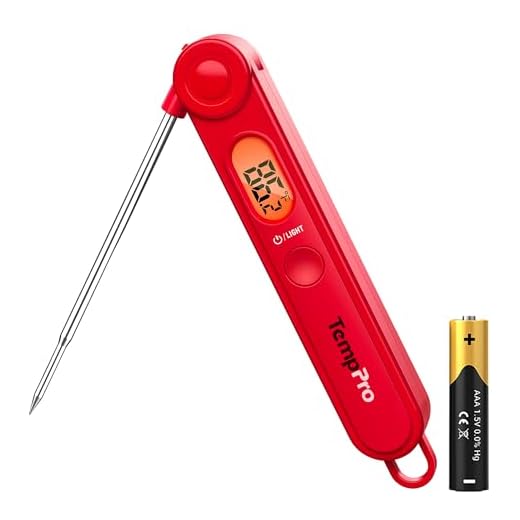
Pull the chicken out when your instant-read meat thermometer hits 160 degrees Fahrenheit. The internal temperature will rise the final five degrees as the meat rests on your cutting board. Resting the meat is a mandatory step. Slicing into the breast immediately forces all the hot juices out onto your plate, ruining the entire reason you opted for this cooking method in the first place. Wait at least five minutes before making a cut.
Getting Crispy Bone-In Thighs and Drumsticks
Dark meat is far more forgiving and tastes distinctly better when cooked to a slightly higher internal temperature. Bone-in, skin-on thighs and drumsticks contain tough connective tissues that need extra time to break down. Heat your machine to 400 degrees Fahrenheit. The higher temperature renders out the thick fat just under the skin. This crisps the exterior up like a thick potato chip while keeping the dark meat incredibly juicy underneath the surface.
Place the chicken pieces skin-side down in the basket and cook for ten minutes. Flip them over so the skin faces up, and cook for another ten to twelve minutes. You want an internal temperature of 175 degrees Fahrenheit for all dark meat cuts. This higher temperature dissolves the heavy collagen around the bone structure. The cooked meat will pull away cleanly with a basic dinner fork instead of remaining rubbery and tough.
Making Restaurant-Style Chicken Wings
You can skip the traditional deep fryer entirely and still make party wings that snap loudly when you bite into them. Start with raw, separated flats and drumettes. Toss them in a large glass bowl with a teaspoon of baking powder along with your standard spices. The baking powder alters the basic pH level of the skin, vastly accelerating the browning process. Arrange the coated wings in a single flat layer with plenty of space between each piece.
Cook the wings at 380 degrees Fahrenheit for exactly fifteen minutes. Open the main basket, flip every single wing with metal tongs, and increase the heat to 400 degrees Fahrenheit. Run the machine for another five to eight minutes until the exterior is golden and heavily blistered. Toss them in your preferred buffalo sauce immediately after they leave the basket. Waiting too long allows the crisp skin to cool and soften before it absorbs the wet sauce.
Roasting a Whole Chicken in the Basket
Fitting an entire bird into your appliance depends strictly on your exact basket capacity. A standard six-quart basket easily holds a normal four-pound whole chicken. Remove the bagged giblets from the main cavity and tie the legs together firmly with heavy butcher twine. Tying the legs keeps the bird compact and actively prevents the wing tips from touching the top heating element. Touching the top element causes immediate burning and pushes heavy smoke into your kitchen.
Place the whole tied chicken breast-side down in the basket and set the temperature to 350 degrees Fahrenheit. Cook for thirty minutes in this position to shield the delicate breast meat from intense direct heat. Flip the heavy bird using heavy-duty tongs or two wooden spoons, positioning it breast-side up. Cook for another twenty to twenty-five minutes. Insert your thermometer into the thickest part of the thigh without touching the bone to verify it reads 165 degrees Fahrenheit.

Reheating Leftover Chicken Without Drying It Out
Microwaving leftover chicken creates a distinctly rubbery texture and a strange, warmed-over flavor profile. Your countertop appliance restores the original crispy exterior while heating the cold center gently. The primary trick involves lowering the base temperature significantly. Set the appliance to 320 degrees Fahrenheit to warm the meat without initiating a second harsh cooking process. High heat will simply burn the outside crust completely black before the cold center even registers a minor change in temperature.
Place your cold leftovers directly in the basket and heat them for four to five minutes. Check the thickest center section with a standard fork. If it still feels cold to the touch, add two more minutes to the timer. Adding a tiny splash of plain water to the bottom drawer under the basket grate creates a small amount of steam. This prevents previously sliced chicken pieces from turning into hard jerky while they warm up.
Marinating Tips for Air Fryer Chicken
Wet liquid marinades present a highly unique challenge for this specific cooking method. Dropping dripping wet poultry straight into the basket causes the liquid to burn onto the non-stick coating long before the actual meat cooks. You still want the distinct flavor from your soy sauce or acidic buttermilk mixtures. Let the raw chicken soak in your preferred liquid for up to four hours in the cold refrigerator.
When you remove the marinated chicken from the container, wipe off the excess thick liquid entirely. The flavor has already penetrated the outer layers of the muscle tissue. A dry surface browns beautifully, while a wet surface just boils inside the machine. If your marinade contains heavy natural sugars like pure honey or dark brown sugar, lower your cooking temperature by fifteen degrees. This stops the sticky sugars from turning black and bitter during the final cooking phase.
Quick Tips
- Buy an instant-read meat thermometer and calibrate it in ice water so you pull your chicken at exactly 160 degrees.
- Coat chicken pieces in a thin layer of mayonnaise instead of oil to create a thicker, crispier crust that locks in juices perfectly.
- Leave at least half an inch of empty space between chicken pieces in the basket to let hot air circulate and evaporate surface moisture.
- Place a slice of bread under the basket grate when cooking greasy cuts like thighs to absorb drippings and prevent white smoke from filling your kitchen.
- Mix a teaspoon of cornstarch into your dry rub to absorb residual surface moisture and force the skin to blister under high heat.
Frequently Asked Questions
Cooking chicken with hot circulating air takes the frustration and guesswork out of weeknight meal preparation. Mastering the exact times and temperatures for different cuts means you will stop serving dry, overcooked poultry to your family.
Grab a package of boneless skinless breasts and test the 375-degree method today. Keep your digital meat thermometer close by, watch the internal temperature closely, and always let the hot meat rest on a wooden cutting board for five minutes before taking your first bite.