Dinner is an hour away and the chicken breasts you meant to thaw are still sitting in the freezer like solid blocks of ice. You can scrap your meal plan and order takeout. You can also pull out your Instant Pot and have perfectly tender chicken ready in less than thirty minutes. Electric pressure cookers excel at turning raw poultry into a finished meal fast.
Getting the texture right requires knowing the exact timing for different cuts and states of meat. Breasts cook differently than dark meat thighs. A whole three-pound bird needs a completely different strategy than a pile of boneless pieces. If you guess the time, you end up with rubbery meat or undercooked poultry.
This guide gives you the exact minutes, liquid ratios, and release methods for every common chicken cut. You will learn how to handle fresh, frozen, bone-in, and boneless pieces without any guesswork. Grab your chicken and one cup of water or broth. We will get dinner started right now.
Fresh Boneless Skinless Chicken Breasts
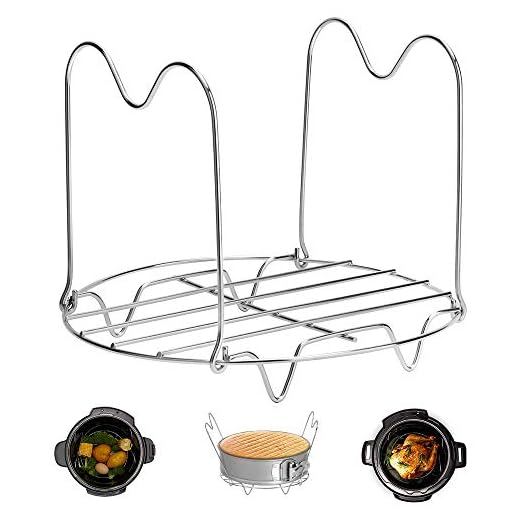
Lean white meat dries out easily when exposed to high heat for too long. For standard six to eight-ounce boneless skinless chicken breasts, you only need eight to ten minutes of high pressure cooking time. Place your metal trivet in the bottom of the steel insert and add exactly one cup of chicken broth or water. Arrange the chicken breasts in a single layer on the trivet so the steam circulates around them evenly.
Once the cooking cycle finishes, let the pot sit for a five-minute natural release before turning the valve to vent the remaining steam. This resting period lets the meat fibers relax and reabsorb moisture. If you vent immediately, the rapid pressure change pulls liquid right out of the meat. Your chicken will come out tender and ready to slice for salads or chop for casseroles.
Cooking Frozen Chicken Breasts Without Thawing
Your pressure cooker safely cooks chicken straight from the freezer because it reaches a high temperature quickly enough to bypass the danger zone for bacterial growth. You need to increase the cooking time to twelve to fifteen minutes on high pressure for standard sized frozen breasts. They might be stuck together in a large lump when you pull them from the freezer bag. Run them under cold water for just a minute to separate them before placing them in the pot.
The pot will take longer to come up to pressure when filled with frozen meat. Expect to wait ten to fifteen minutes before the timer actually starts counting down. Use the same one cup of liquid and the same five-minute natural pressure release at the end. The texture will be slightly less firm than fresh chicken, making this method perfect when you plan to shred the meat for tacos or soup.
Fresh and Frozen Boneless Chicken Thighs
Dark meat contains more fat and connective tissue than white meat. Thighs actually benefit from a slightly longer cooking time to break down those tissues and become completely tender. For fresh boneless skinless chicken thighs, set your timer for ten to twelve minutes on high pressure. You still need one cup of thin liquid at the bottom of the insert to generate the necessary steam.
Frozen boneless thighs require fourteen to sixteen minutes of high pressure time. Dark meat is very forgiving and nearly impossible to dry out in a pressure cooker. Allow a five-minute natural release when the cooking cycle is done. Because thighs render more fat as they cook, the cooking liquid left in the pot makes an excellent base for a quick pan sauce or gravy. Just whisk in a slurry of cornstarch and water on the saute function.
Bone-In Chicken Pieces and Quarters
Leaving the bone in and the skin on changes the cooking dynamic entirely. The bones insulate the meat, meaning you need to increase the time under pressure. Fresh bone-in thighs, drumsticks, or leg quarters need roughly fifteen to eighteen minutes on high pressure. Add a few extra minutes if the pieces are exceptionally large. The pressure cooker environment creates a moist heat, which leaves the skin rubbery rather than crisp.
You can easily fix soft skin by transferring the cooked pieces to a foil-lined baking sheet. Brush the chicken with the juices from the pot or your favorite barbecue sauce. Place the pan under your oven broiler for three to five minutes until the skin bubbles and chars slightly. Watch it closely so the sugars in the sauce do not burn. This two-step process gives you fall-off-the-bone tender meat with a satisfying crispy exterior.
Cooking a Whole Chicken
A whole chicken fits perfectly inside a six-quart or eight-quart model. You need to calculate your cooking time based on the exact weight of the bird. The formula is six minutes per pound of whole chicken. A standard four-pound bird needs twenty-four minutes on high pressure. Remove the giblets from the cavity and season the bird generously with salt, pepper, and paprika inside and out.
Place the seasoned bird breast-side up on the trivet with one cup of water underneath. When the timer goes off, allow a fifteen-minute natural release. This longer resting period is mandatory for a whole bird to keep the breast meat juicy while the joints finish cooking. Use two large forks or meat lifters to carefully remove the chicken from the pot. The meat will be so tender it might fall apart. Broil for crisp skin if desired.
Making Easy Shredded Chicken
Shredded chicken is the perfect meal prep staple for enchiladas, sandwiches, and grain bowls. To get meat that pulls apart effortlessly, you want to cook it slightly past the standard slicing time. For fresh boneless breasts or thighs, set the pot for fifteen minutes on high pressure. Add your cup of broth along with taco seasoning, ranch powder, or simple garlic and onion powder for extra flavor.
Perform a quick release or a five-minute natural release. Transfer the hot meat to a large mixing bowl. You can use two forks to pull the meat apart manually. A faster method is to use a handheld electric mixer on low speed. Press the beaters directly into the chicken and it will shred perfectly in about ten seconds. Toss the shredded meat back into the pot juices so it absorbs all that remaining flavor and moisture.
Liquid Requirements and Flavor Additions
Your pressure cooker requires liquid to build steam. Without steam, the pot cannot pressurize and will flash a burn warning on the display screen. One cup of thin liquid is the absolute minimum requirement for a six-quart model, while an eight-quart model sometimes needs one and a half cups. Water works well, but chicken broth, apple juice, or even a light beer infuses the meat with much more flavor.
Thick liquids like barbecue sauce, condensed soup, or tomato paste do not count toward your liquid requirement. If you want to cook your chicken in a heavy sauce, pour your cup of thin broth into the pot first. Place the chicken on the bottom, then spoon the thick sauce on top of the meat. Do not stir it. Leaving the thick sauce resting on top prevents it from sinking to the hot bottom plate and triggering that dreaded burn error.
Quick Tips
- Always use a digital meat thermometer to check the thickest part of the chicken, aiming for a safe internal temperature of 165 degrees Fahrenheit.
- Keep the chicken elevated on the metal trivet if you want to slice it later. Sitting directly in the boiling liquid will break down the exterior texture.
- Double the recipe without increasing the cooking time, as long as the pot does not exceed the maximum fill line on the inner stainless steel wall.
- Store leftover cooked chicken in an airtight container in the refrigerator for up to four days or freeze it for up to three months.
- Deglaze the bottom of the pot with a wooden spoon before pressure cooking if you used the saute function to brown the meat first.
Frequently Asked Questions
Cooking chicken in an electric pressure cooker saves you time and clears up space on your stovetop. You can take frozen breasts to fully cooked dinner staples in less than forty minutes. Memorize the basic times for your favorite cuts and you will never stress over forgetting to thaw meat again.
Start with simple boneless breasts or thighs and a cup of broth to get comfortable with the settings. Experiment with different spice rubs and finishing the pieces under the oven broiler. Clean the sealing ring on your lid with warm soapy water tonight so your pot is ready for tomorrow’s dinner.
Recommended Products

Replacement 206A Toner Cartridge Set