Your morning coffee tastes like bitter metal. It drips out slower than cold molasses. Hard water leaves mineral deposits inside your machine over time. Calcium and magnesium build up in the heating element and water tubes. The water cannot reach the optimal 195 to 205 degrees Fahrenheit. You get weak, lukewarm coffee.
Those white, chalky flakes floating in your carafe mean your machine is choked with scale. Descaling breaks down these stubborn mineral deposits using a mild acid. You can buy commercial descaling solutions or make a cheap version at home using plain white vinegar. Both methods take about 45 minutes from start to finish.
Regular cleaning extends the life of your drip coffee maker by years. You avoid waking up to a completely broken appliance on a busy morning. The process requires a few basic supplies you likely already have under your kitchen sink. Time to clear out that chalky buildup and get your daily routine back on track.
Gather Your Cleaning Supplies and Prep the Machine
Before starting the cleaning cycle, you need to prep your workspace. Grab a 32-ounce bottle of distilled white vinegar or a commercial descaling liquid. Vinegar is cheap and highly effective at dissolving calcium. Commercial liquids smell better and work slightly faster on severe buildup. You also need fresh filtered water. Keep a clean microfiber cloth and some dish soap nearby for the removable parts.
Empty the coffee maker completely. Throw away old paper filters and dump out used coffee grounds. Wash the carafe and the filter basket in the sink with warm soapy water. Rinse them thoroughly so no soap residue mixes with the descaling acid. Place the clean filter basket back into the machine. Put the empty glass carafe back on the warming plate.
Mix the Vinegar and Water Solution
The correct ratio is exactly one part white vinegar to one part water. Fill the glass carafe halfway with vinegar. Fill the rest of the carafe to the top line with fresh water. If you have a standard 12-cup coffee maker, that means six cups of vinegar and six cups of water. Pour this entire mixture directly into the water reservoir.
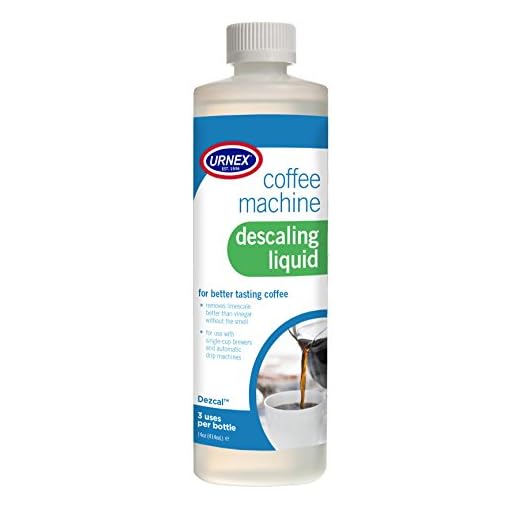
Do not use apple cider vinegar or balsamic vinegar for this process. They contain sugars and impurities that will stick to the internal heating tubes. Stick to plain distilled white vinegar. If you opted for a commercial descaling product, read the back of the bottle. Manufacturers usually suggest mixing one ounce of descaling fluid with 32 ounces of water. Pour that mixture into the reservoir.
Run the First Half of the Brew Cycle
Press the brew button to start the machine. Stand nearby and watch the water level drop in the reservoir. Wait until exactly half of the vinegar solution runs through the machine into the carafe. Press the power button to turn the coffee maker off mid-cycle. This step traps the hot, acidic vinegar right inside the internal heating elements and the narrow water tubes.
Letting the solution sit is the most important part of the entire process. The heat combined with the acid actively breaks down calcified mineral scale. If you just run the liquid straight through, it will not have enough time to dissolve thick buildup. The hot liquid needs time to work on the stubborn chalky spots hiding out of sight.
Let the Acidic Solution Soak Inside the Tubes
Set a kitchen timer for 30 minutes. Walk away and leave the machine completely alone. Severe hard water buildup requires a full 60-minute soak to completely dissolve the calcium layers. The liquid inside the machine will stay close to 200 degrees Fahrenheit during this resting period. The hot acid literally eats away the white flakes blocking your water lines.
You might hear the machine hiss or gurgle while it sits idle. This is a normal chemical reaction happening inside the heating coil. The vinegar is attacking the solid mineral blockages and turning them into a liquid slurry. Do not turn the machine back on until the timer goes off. Rushing this step leaves scale behind and forces you to repeat the entire process next week.
Finish the Descaling Cycle and Discard the Acid
Turn the coffee maker back on once your timer rings. Let the rest of the vinegar and water mixture brew through the machine. The liquid dripping into the carafe will likely look cloudy or have small white specks floating in it. Those specks are the dissolved mineral deposits finally leaving the internal plumbing. Wait for the machine to stop dripping completely.
Take the glass carafe over to the kitchen sink and pour the hot dirty vinegar down the drain. Do not breathe in the steam coming out of the pot. Hot vinegar gives off a very strong, sharp odor that irritates the nose and throat. Rinse the carafe out with cold tap water a few times to wash away the loose mineral flakes. Place the empty pot back under the brew basket.
Run the First Fresh Water Rinse
Your machine is now clean but full of residual vinegar. Fill the reservoir to the max fill line with fresh cold water. Do not add any more vinegar. Press the brew button and let a full pot of plain water run through the system. This flushes the remaining acid out of the internal tubes and the showerhead.
Dump the hot water down the sink once the cycle finishes. Smell the inside of the empty carafe. You will still smell a faint hint of salad dressing. One rinse cycle is never enough to pull all the acid out of the porous plastic parts. You must run more water through the system to make it safe for brewing your next batch of coffee.
Complete Additional Rinse Cycles to Remove Odors
Fill the reservoir with cold water a second time. Run another complete brew cycle. Dump the water out and repeat this step for a third time. Three full cycles of fresh water will remove every drop of vinegar from your appliance. Your final pot of water should smell like absolutely nothing.
Skipping these final rinses ruins your next pot of coffee. The leftover acid interacts poorly with roasted coffee oils. It creates a sour, metallic cup that you will immediately pour out. Take the extra 15 minutes to run the clear water through. Let the machine sit for 10 minutes between each rinse so the internal heating coil does not overheat and warp.
Clean the Exterior Components
The inside of the coffee maker is clean, so turn your attention to the outside. Unplug the machine from the wall outlet. Spray a microfiber cloth with a mix of warm water and a few drops of dish soap. Wipe down the entire plastic exterior to remove coffee splatters, dust, and fingerprints. Pay special attention to the warming plate, which often collects burnt coffee stains.
Wipe the exterior down again with a damp soap-free cloth to remove suds. Dry the machine completely with a fresh towel. Remove the carafe and filter basket one last time. Hand wash both items in the sink or place them on the top rack of your dishwasher if the manual permits. Reassemble the dry machine on your counter. You are ready to brew a fresh pot.
Quick Tips
- Descale your drip coffee maker every three months if you use tap water, or every six months if you use filtered water.
- Place a glass marble in the water reservoir to catch hard water minerals. The calcium sticks to the marble instead of your heating tubes.
- Never put a hot glass carafe under cold running water. The sudden temperature drop will shatter the glass instantly.
- Scrub stubborn burnt coffee stains off your glass carafe by swirling a handful of crushed ice and two tablespoons of coarse kosher salt inside.
- Leave the reservoir lid open after brewing your daily pot. The trapped moisture dries out, which prevents mold growth between cleanings.
Frequently Asked Questions
Descaling your coffee maker keeps your morning routine running on schedule. A clean heating element reaches 200 degrees Fahrenheit quickly and extracts the best flavor from your coffee grounds. Setting aside 45 minutes every few months saves you from buying a replacement machine.
Buy a gallon of white vinegar to keep under your kitchen sink. Mark your calendar for three months from today. Check your water reservoir weekly for white spots and run a cleaning cycle the moment your brew time slows down.


