Your cat starts drooling and hiding under the couch the moment you turn on your new ultrasonic diffuser. That relaxing eucalyptus scent filling your living room is actually a toxic irritant to their sensitive respiratory system. Animals process airborne compounds completely differently than humans do. A few drops of the wrong oil can cause severe reactions in minutes.
Dogs possess up to 300 million olfactory receptors compared to our measly six million. A mild lavender scent to you feels like standing inside a perfume factory to your golden retriever. Cats face an even greater risk because their livers lack a specific enzyme needed to break down certain chemical compounds found in essential oils. This biological difference means airborne toxins build up in their bodies over time.
You do not have to throw away your diffuser entirely. Keeping your pets safe means understanding exactly which oils are harmful. You must learn how to ventilate your space and what physical warning signs to watch for when you run your machine.
The Most Toxic Essential Oils to Avoid Completely
Certain oils pose an immediate danger to pets and should never enter your home. Tea tree oil leads the list of common offenders. Just seven drops of pure tea tree oil applied to the skin or heavily diffused in a small room can cause weakness and tremors in both cats and dogs. Eucalyptus, peppermint, pine, wintergreen, and ylang-ylang also rank incredibly high on the toxicity scale. Keep these specific scents far away from your daily routine.
Citrus oils present another major hazard for pet owners. Oils derived from lemons, sweet oranges, and grapefruits contain d-limonene. This compound is highly toxic to felines. If you receive a gift set containing any of these restricted oils, store them in a locked cabinet or give them to a pet-free friend. Accidental exposure to these specific extracts requires immediate veterinary attention.
Safe Oils You Can Diffuse with Caution
A select group of essential oils carries a much lower risk for household pets. Cedarwood, frankincense, and chamomile generally cause fewer issues when diffused in strict moderation. Lavender is another popular option that most dogs tolerate well. You still need to buy high-quality, pure oils from reputable brands. Synthetic fragrances often contain unknown chemical additives that trigger unexpected allergic reactions in animals.
Labeling an oil as safe does not give you permission to run your diffuser constantly. You must monitor your pet closely the first time you introduce a new scent. Start by placing a single drop of the oil on a tissue. Hold it a few feet away from your pet. Watch their body language closely. If they turn away, squint, or leave the room, you know that particular scent bothers them.

The Right Way to Ventilate Your Diffusing Space
Proper airflow prevents volatile organic compounds from building up to dangerous levels in your home. Never diffuse oils in a closed room with your pet. Always leave the door wide open so your dog or cat can escape the scent if it becomes overwhelming. Turn on a ceiling fan or open a window at least two inches to create a steady cross-breeze. This disperses the concentrated mist rapidly.
Room size matters just as much as airflow. Running a high-output ultrasonic diffuser in a tiny half-bathroom creates a dense cloud of vapor very quickly. Stick to diffusing in large, open areas like your main living room. Place the diffuser on a high shelf where curious paws cannot knock it over. This keeps the concentrated oil and water mixture safely out of reach.
Establishing Strict Time Limits for Your Diffuser
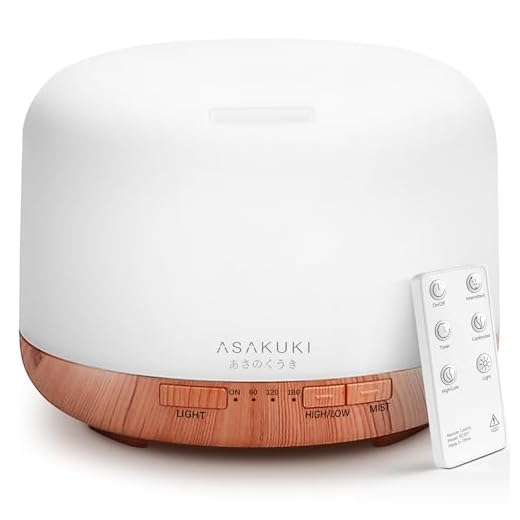
Running your diffuser for hours at a time overwhelms your pet’s sensitive respiratory tract. Set a strict limit of ten to fifteen minutes per diffusing session. Modern ultrasonic diffusers often feature intermittent settings that run for thirty seconds and then pause for thirty seconds. Use these built-in timers to your advantage. This prevents the room from becoming saturated with heavy oil particles.
Give your home plenty of time to clear out between sessions. Wait at least two hours before turning the machine back on. This gives your pet’s olfactory system a much-needed break. If you notice a film of oil building up on your furniture or windows, you are diffusing too much oil for too long. Cut your running time in half and use fewer drops.
Recognizing the Physical Signs of Oil Toxicity
You need to know exactly what an adverse reaction looks like. Respiratory distress usually appears first. Watch for coughing, wheezing, or a sudden increase in your pet’s breathing rate. Cats might start panting with their mouths open. This is a severe warning sign. Watery eyes, excessive drooling, and frequent sneezing also indicate that the airborne oil particles are irritating their mucous membranes. Turn off the machine immediately.
Neurological signs point to a severe toxic buildup. A pet experiencing essential oil poisoning might stumble when walking, experience muscle tremors, or act unusually lethargic. Cats often vomit or refuse to eat. If your pet exhibits any of these major symptoms after you run a diffuser, take them to the nearest emergency veterinary clinic. Bring the exact bottle of oil you used to help the vet.
Managing Passive Reed Diffusers and Warmers
Ultrasonic machines create a mist that pets can inhale directly into their lungs. Passive diffusers like reed sticks or ceramic warmers do not shoot water droplets into the air. This makes them slightly safer, but they still present distinct hazards. Reed diffusers hold highly concentrated oil in an open glass jar. A jumping cat can easily knock the jar over, spilling toxic liquids onto their fur.
Ceramic warmers heat the oil to release the scent. The heating process can change the chemical composition of the oil and release different compounds into the air. Keep both of these passive options pushed far back on sturdy counters. Clean up any spills immediately with soapy water. If oil gets onto your pet’s coat, wash the affected fur with a pet-safe dish soap right away.
Cleaning Your Diffuser to Prevent Mold and Buildup
Stagnant water and leftover oil create a perfect breeding ground for mold and bacteria inside your diffuser. Diffusing these harmful spores into the air puts your pet at risk for serious respiratory infections. You must empty the water reservoir completely after every single use. Wipe the inside of the tank dry with a clean microfiber cloth. Never leave water sitting in the machine overnight.
Perform a deep clean on your unit twice a month. Fill the empty tank halfway with clean tap water and add ten drops of plain white vinegar. Run the machine for five minutes in a room away from your pets. Dump the vinegar mixture out and use a cotton swab to clean the small ultrasonic plate at the bottom. Rinse the tank thoroughly with fresh water.

Alternatives to Essential Oils for a Fresh Home
You can keep your house smelling clean without putting your pets at risk. Simmer pots offer a safe, natural way to scent your kitchen and living areas. Boil a pot of water on the stove and add fresh apple slices, cinnamon sticks, and whole cloves. The gentle steam carries a warm fragrance through the house without releasing toxic chemical compounds. You can simmer these ingredients for hours.
Odor-eliminating charcoals act as passive scent controllers. Hang activated bamboo charcoal bags near litter boxes or dog beds. They absorb bad smells rather than masking them with heavy perfumes. Pet-safe enzymatic cleaners also tackle the root cause of odors on your carpets and furniture. These biological sprays break down urine and sweat molecules completely.

Quick Tips
- Dilute your essential oils heavily by using only one to two drops per 100ml of water in your ultrasonic diffuser.
- Keep all oil bottles tightly capped and stored in a high, closed cabinet where curious cats cannot bat them onto the floor.
- Wash your hands thoroughly with soap and water after handling any essential oil bottles before you pet or feed your animals.
- Program your smart plug to automatically cut power to the diffuser after fifteen minutes so you never accidentally leave it running.
- Place your diffuser on a solid, heavy piece of furniture at least four feet off the ground to prevent dogs from investigating the mist.
Frequently Asked Questions
Your pets rely on you to keep their environment safe. Airborne particles from your diffuser land on their fur, enter their lungs, and process through their tiny livers. Sticking to pet-safe scents like cedarwood and enforcing strict ten-minute time limits prevents accidental poisoning. Proper ventilation is your best defense against heavy fragrance buildup.
Take ten minutes right now to audit your essential oil collection. Gather up any bottles of tea tree, eucalyptus, or citrus oils. Box them up and move them out of your home entirely. Wash out your diffuser tank and set a recurring timer on your phone for your next short, safe diffusing session.

