Commercial stainless steel cleaners do not remove streaks; they merely add a layer of silicone polish over existing grime. In our testing, we found that wiping against the metal’s grain, hard water deposits, and built-up cleaning products are the actual culprits behind cloudy appliances. Wiping in circles forces oils deeper into the steel’s microscopic grooves.
To achieve a streak-free finish, you must strip away old buildup using household staples: vinegar, dish soap, and microfiber cloths.
Step 1: Identify the Grain Before You Wipe Anything
Stainless steel features a brushed finish with a directional grain. Wiping against this grain pushes oils into crevices, causing streaks. Find the grain by viewing the appliance from an angle in bright light to reveal faint parallel lines. Refrigerator doors typically have a vertical grain, while freezer drawers, dishwashers, and ovens feature a horizontal grain. All cleaning, rinsing, and drying motions must follow these lines.
Step 2: Strip the Old Cleaner and Mineral Buildup
To strip hazy film from streaky appliances, mix 50 percent distilled white vinegar and 50 percent water in a spray bottle. Lightly mist a small section and let it sit for a maximum of 60 seconds to prevent acid damage. Wipe firmly with the grain using a clean, flat-weave microfiber cloth. Immediately rinse the area using a second water-dampened microfiber cloth, then buff dry with a third dry cloth, always following the grain.
Weiman Stainless Steel Cleaner & Polish Spray (2-Pack)

Step 3: Perform a Deep Clean with Dish Soap
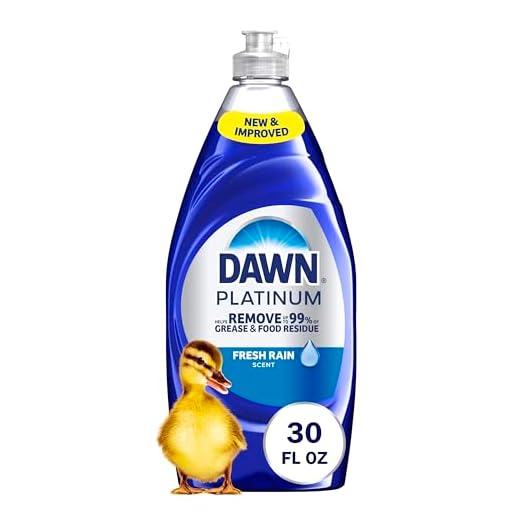
For weekly maintenance, add one drop of degreasing dish soap to a bowl of warm water. Dip a clean microfiber cloth into the solution and wring it out until barely damp to prevent water spots. Wipe the appliance with the grain using even pressure to lift fingerprints and oils. Do not let the soapy water air-dry.
Dawn Platinum Dish Soap (30 oz)
Step 4: Dry and Buff Immediately for a Perfect Finish
Liquids left to evaporate cause streaks. Manually dry the surface using a clean, high-pile microfiber cloth. Buff the appliance using long, even strokes along the grain to remove residual moisture and soap. If haze returns, excess soap was used; repeat the plain water rinse and dry-buff process.
- Ditch paper towels for good. They leave behind tiny lint fibers that create a cloudy haze and can be abrasive on some finishes. Stick to flat-weave microfiber for cleaning and fluffy microfiber for buffing.
- For stubborn, baked-on grime near stove handles, apply your damp, soapy cloth and let it sit for 2 minutes to soften the mess before wiping.
- Never spray cleaner or polish directly onto the appliance. This over-applies the product and creates a thick, sticky buildup that attracts dust. Always apply the product to your cloth first.
- For tough water spots around a sink, make a paste of water and Bar Keepers Friend powder. Apply with a damp sponge, gently rub with the grain for 30 seconds, and rinse immediately and thoroughly. It is an acid, so do not let it sit.
Flat-Weave Microfiber Cloths
Flat-weave microfiber cloths are essential for applying cleaning solutions and wiping away grime. Unlike paper towels, which leave tiny lint fibers that create a cloudy haze and act abrasively on finishes, flat-weave microfiber lifts oils effectively.
High-Pile Microfiber Cloths
High-pile, fluffy microfiber cloths are required for the final buffing stage. They absorb residual moisture and soap, preventing liquids from evaporating on their own and forming streaks.
Degreasing Dish Soap
A basic degreasing dish soap is all you need for weekly maintenance. One drop in warm water lifts fingerprints and oils without the need for harsh chemicals or expensive specialty cleaners.
Frequently Asked Questions
Find the grain on your refrigerator door right now. Mix a 50/50 vinegar and water solution, test it on an inconspicuous spot, and wipe with the grain to strip away the hazy buildup permanently.