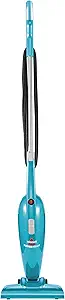
Is your Shark vacuum suddenly losing suction? Before you start shopping for a new one, check the dust cup. A full, or even half-full, canister is the number one reason a perfectly good vacuum stops cleaning effectively. Waiting until it hits the ‘Max Fill’ line is a mistake—by that point, airflow is already compromised by 30-40%, and your vacuum is working way too hard.
Ignoring this simple task does more than just leave crumbs on your floor. It forces fine dust back into the air, clogs your filters prematurely, and can even cause the motor to overheat from strain, shortening the lifespan of your machine. The good news is that the proper way to empty it is a two-minute job that will keep your vacuum running like new.
This guide isn’t just about dumping the dirt. It’s about the complete process—detaching, emptying without a mess, and performing the 60-second filter check that most people skip. Let’s get it done right.
Step 1: Empty the Dust Cup Before It Reaches the Fill Line
Here’s the single most important tip: empty the dust cup after every single use. Don’t treat the ‘Max Fill’ line as a goal. Think of it as an emergency stop. Cyclone technology works by spinning air to separate dirt, and that process needs empty space. Once the bin is half-full, the efficiency drops sharply, and the vacuum starts leaving fine dust and pet hair behind.
Make it a habit. As soon as you finish vacuuming, take 90 seconds to empty the bin. Taking the canister to your outside trash can or holding it deep inside a kitchen garbage bag will prevent a cloud of dust from settling on the very surfaces you just cleaned. It’s a small change in routine that makes a massive difference in performance.
Step 2: Detach the Canister Correctly for Your Model
First, turn off and unplug the vacuum. For upright models like the Shark Navigator or Rotator series, the dust cup usually detaches from the main body. Look for two gray latches on the sides of the handle or a single, prominent ‘Lift-Away’ or release button near the top. Squeeze or press, then lift the canister straight up and away.
For stick vacuums like the Shark Rocket or Vertex, the dust cup is part of the handheld motor unit. You’ll typically find a button on the side of the handheld portion labeled ‘Dust Cup Release’ (often with a little icon). Press this and the cup will detach. Common Failure Case: If the latches feel stuck, don’t force them. Dust and grit often build up in the connection points. A quick wipe with a dry microfiber cloth will usually solve the problem.
Step 3: Dump the Debris Without Creating a Dust Storm
With the dust cup in hand, hold it directly over (and slightly inside) your trash bag. Locate the bottom-door release latch. It’s almost always a different button from the one you used to detach the canister, and it’s often marked with a trash can icon. Press this button firmly, and the bottom will swing open, dropping the contents into the bag.
If clumps of hair and debris are stuck around the central cone filter, don’t use a sharp object to poke at them—you’ll scratch the plastic. Instead, tap the canister firmly against the inside wall of your trash can. For stubborn tangles, many Shark models (like the Rotator NV501) also have a top lid that opens, allowing you to reach in from both ends to clear the blockage.
Step 4: Perform the 60-Second Filter Check You Can’t Skip
While the dust cup is off, look at the top of the vacuum base where the cup usually sits. You’ll see your pre-motor filters. Most models have a round foam filter and a thinner felt filter stacked together. Pull them out. Every time you empty the bin, tap both filters against the side of your trash can to knock loose the fine dust they’ve collected. This step alone can dramatically improve airflow.
Once a month (or after about 12 uses), rinse these foam and felt filters under cool, clean water—no soap. Squeeze them out and let them air dry for a full 24 hours. They must be bone-dry before you reinstall them. Putting damp filters back in your vacuum can lead to mildew and damage the motor. Once dry, place them back, and snap the empty dust cup into place until you hear a solid click.
- For stubborn dust on the internal mesh screen, use a dry, stiff-bristled paintbrush to gently scrub it clean without causing scratches.
- Long hair and thread wrapped around the cyclone can be carefully cut with a seam ripper or small scissors for easy removal. Just be careful not to snip the plastic.
- Wipe the rubber seals around the dust cup lids with a damp cloth every few months. Clean seals ensure a tight fit, which is critical for maintaining suction.
- If you suffer from dust allergies, always wear a mask when emptying the canister, or do it outdoors on a non-windy day.
Frequently Asked Questions
22-Piece Small Electronics Cleaning Brush Kit

Conclusion
There you have it. The secret to a powerful vacuum isn’t a feature—it’s a habit. Treating your dust cup like a tiny trash can that needs to be emptied after every use is the single best thing you can do for your Shark’s performance and longevity. It prevents clogs, protects the motor, and ensures you’re actually cleaning your home instead of just pushing dirt around. Your next step? Go empty your vacuum right now, even if it’s nearly empty. Tap out the filters while you’re at it. This two-minute task will pay you back every time you turn it on.