You open a cabinet to grab a frying pan and an avalanche of mismatched plastic lids falls onto your foot. Prepping dinner feels impossible when your only available counter space is a twelve-inch gap between the sink and the coffee maker. Small kitchens force you to make hard choices about what stays and what goes. Every square inch matters when you have barely enough room to chop an onion.
Organizing a tight cooking space requires a ruthless approach to your belongings and a creative eye for empty vertical gaps. You cannot rely on sprawling islands or massive walk-in pantries to hide your clutter. Instead, you have to rethink how you store everyday items. Moving lesser-used appliances out of the main prep zone and taking advantage of the space above your cabinets makes a massive difference in how your kitchen functions.
Making a small kitchen work is entirely possible without major renovations. You just need to follow a strict sorting process and employ a few strategic storage solutions. The goal is simple. Keep the tools you use daily within a single arm’s reach and push the holiday baking supplies to the absolute fringes of your floor plan.
Pull Every Single Item Out of Your Cabinets
Start your organizing process by emptying every cabinet and drawer. Set up a staging area on your kitchen table or living room floor. You need to see exactly how much stuff you actually own. Group identical items together as you unload them. Put all the wooden spoons in one pile and all the baking sheets in another. Seeing three identical citrus juicers side by side makes parting with the extras easy.
Sort everything into three distinct zones. Make a keep pile for items used weekly. Create a donate box for duplicates or gadgets untouched in the last six months. Establish a trash pile for cracked plastic containers missing lids or rusted baking tins. Be honest about your cooking habits. If you bake bread once a year, you do not need a massive stand mixer taking up permanent residence on your limited counter.
Establish Primary Cooking and Prep Zones
Kitchens function best when organized around the way you actually move while cooking. Assign specific tasks to different areas of the room. Your main prep zone should sit directly between your sink and your stove. Clear this space of everything except your primary cutting board and a knife block. Store your cooking utensils in a crock right next to the stovetop. Keep pots and pans in the lower cabinets closest to the oven.
Move items associated with morning routines to their own dedicated area. Group your coffee maker, mugs, and coffee beans in a secondary corner away from the main cooking zone. This setup prevents traffic jams when one person makes breakfast and another pours coffee. Keep dish soap, sponges, and dishwasher pods in a pull-out caddy directly under the sink basin for quick access during cleanup.

Maximize Vertical Space Above Cabinets and Sinks
Look up to find your most underused storage real estate. The gap between your upper cabinets and the ceiling works perfectly for stashing bulky items you rarely need. Store your large slow cooker, roasting pans, and holiday serving platters up high. Place these items in matching woven baskets or solid-colored storage bins to hide the visual clutter. Keep a sturdy folding step stool tucked between your fridge and the wall to reach these upper limits safely.
Install a simple tension rod or a floating shelf straight across the gap above your kitchen sink. This unused stretch of wall easily holds lightweight items. Hang small wire baskets from the tension rod to store fresh fruit or cleaning brushes. A single shelf mounted twelve inches above the faucet provides a great spot for your dish soap dispenser and small herb plants. Getting these everyday items off the counter instantly expands your prep area.

Use the Inside of Every Cabinet Door
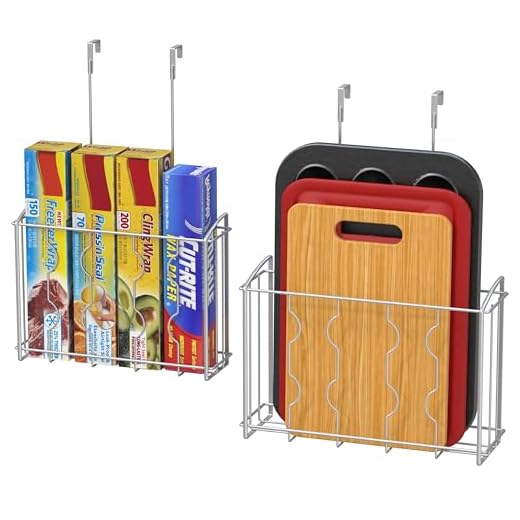
The back of a cabinet door offers prime storage space for flat or lightweight items. Stick heavy-duty adhesive hooks to the inside of your lower doors to hold pot holders and oven mitts. Mount a slim wire rack on the door under your sink to corral rolls of aluminum foil, plastic wrap, and parchment paper. These racks typically measure about three inches deep and will not interfere with the plumbing when you close the door completely.
Measure the width of your upper cabinet doors before buying any hanging organizers. A simple adhesive strip with small clips works perfectly for storing individual spice packets or small bags of snacks. You can also paint the inside of a prominent cabinet door with chalkboard paint to keep track of your grocery list or weekly meal plan. This eliminates the need for messy notepads scattered across your already crowded counters.
Add Magnetic Storage to Your Refrigerator
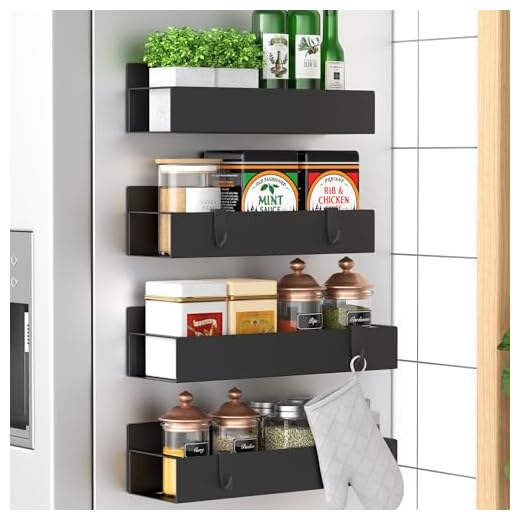
Your refrigerator offers a massive vertical surface that most people completely ignore. Attach a strong magnetic shelf to the side of the fridge to hold your most frequently used spices and cooking oils. These shelves easily support five to ten pounds of weight without sliding down the metal surface. Keeping olive oil, salt, and pepper right next to the stove on a magnetic rack frees up an entire upper cabinet for plates and bowls.
Magnetic knife strips also work exceptionally well mounted to the side of a refrigerator. Storing knives on a magnetic bar completely removes a bulky wooden block from your main workspace. You can also use small magnetic hooks to hang measuring cups, a pair of kitchen shears, and a bottle opener. Just keep the heaviest items near the bottom of the arrangement so they do not fall and damage your floors if bumped.
Choose Stackable and Square Containers
Round containers waste a massive amount of valuable space inside your cabinets. Switch to square or rectangular storage bins to push items completely flush against the back and side walls. Square containers fit perfectly next to each other and prevent awkward empty gaps in your pantry. Transfer dry goods like pasta, rice, and flour out of their original bulky packaging into clear square containers. This lets you see exactly how much inventory you have left.
Buy containers designed specifically to stack securely on top of one another. Measure the exact height of your shelves to figure out how many modular containers you can fit in a single vertical column. An eight-inch gap between shelves can easily hold a five-inch tall container of cereal sitting right beneath a three-inch container of trail mix. Group similar baking supplies together in these stacked systems to make finding your brown sugar a much faster process.

Install Pull-Out Drawers in Deep Lower Cabinets
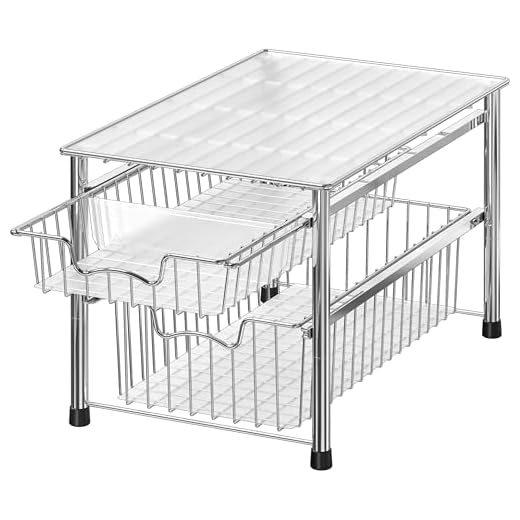
Deep lower cabinets frequently hide expired cans and bury heavy pots in dark corners. Installing sliding drawer tracks transforms these useless black holes into highly functional storage. Pull-out wire baskets allow you to reach items stashed all the way in the back without getting on your hands and knees. You can buy simple retrofit kits at any hardware store that screw directly into the base of your existing cabinet with just four simple wood screws.
Group your heavy items inside these sliding drawers based on their specific function. Place all your baking sheets, muffin tins, and cutting boards vertically in a lower pull-out drawer fitted with simple tension dividers. Store your heaviest cast iron skillets and Dutch ovens on the bottom drawer to keep the center of gravity low. Sliding mechanisms easily handle twenty to forty pounds of weight when mounted properly to the solid wood base of the cabinet box.
Repurpose a Rolling Cart for Extra Surface Area
A small utility cart on wheels acts as a mobile kitchen island when you need temporary prep space. Buy a cart with a solid butcher block top and two lower shelves. Park the cart in a hallway or against an empty wall in an adjoining room when you are not actively cooking. Roll it right up to the stove when you need a place to rest hot pans or a spot to chop vegetables.
The lower shelves of the rolling cart provide excellent storage for bulky items. Keep your blender, toaster, and heavy bags of potatoes on the bottom tier. Park your mixing bowls and a large colander on the middle shelf. Locking caster wheels are absolutely necessary for this setup. Always push down the wheel locks before you start chopping or mixing on the top surface to keep the cart firmly planted in one place.

Quick Tips
- Hang a pegboard on an empty wall to store pots, pans, and cooking utensils visibly and off the counters.
- Place a large cutting board directly over half of your sink basin to instantly create two extra square feet of chopping space.
- Store baking sheets and cutting boards vertically using a simple wire file organizer from an office supply store.
- Buy a magnetic paper towel holder and stick it to the side of your fridge to get the roll off your main prep counter.
- Use a lazy Susan in corner cabinets to access cooking oils and vinegars without knocking over other bottles.
Frequently Asked Questions
Organizing a small kitchen forces you to prioritize function over keeping excess gadgets. By taking advantage of vertical walls, the sides of your refrigerator, and the backs of cabinet doors, you create breathing room in a tight footprint. Keeping only the tools you genuinely use stops clutter from creeping back onto your limited counter space.
Start your organizing project this weekend by attacking a single lower cabinet. Empty it completely and be ruthless about what you put back inside. Once you clear that first shelf and install a simple wire rack, you will build the momentum to tackle the rest of the room.


