A standard apartment kitchen gives you barely 24 inches of continuous prep space, meaning every appliance left out cuts your working area in half. You do not need a remodel to fix the chaos of falling plastic containers and crowded counters. You need strict boundaries and vertical storage. Reclaiming your kitchen requires stripping it down to the essentials and maximizing the standard 18-inch gap between your counters and upper cabinets.
Empty and Sort Your Entire Inventory
Pull everything out of your cabinets and drawers. Confronting your entire inventory reveals the duplicates and the gadgets you never use. Throw out expired food and donate the specialized tools—like that 15-pound stand mixer you use annually. A small kitchen cannot support single-use items. Sort the rest into daily, weekly, and rare-use piles. Box up the rare-use items, like holiday platters, and store them in a hall closet or under your bed. Clearing out this prime cabinet real estate instantly speeds up your daily cooking routine.
Establish Strict Functional Work Zones
Treat your kitchen like a commercial line by setting up specific zones for prepping, cooking, and washing. Your prep zone requires at least 24 uninterrupted inches of counter space. Keep cutting boards and chef knives within arm’s reach of this spot. Do not store your coffee maker near the stove; put it near the fridge to prevent traffic jams. Store heavy pots in lower cabinets adjacent to the oven, and keep wooden spoons by the burners. Grouping items by exact function stops you from running laps around a tight floor plan.
Reclaim the Wasted Vertical Space
Standard cabinet shelves sit 10 to 12 inches apart, but plates only take up four inches of that height. Buy adjustable wire shelf inserts to double your usable surface area. Place dinner plates on the bottom and salad plates on the wire rack above. For the blank walls above your counters, mount a heavy-duty magnetic metal strip to hold your knives. Hang a sturdy rail system with S-hooks for coffee mugs and measuring spoons. Moving everyday items out of shallow drawers clears crucial room for actual meal prep.
Clear the Countertops Completely
Bare countertops make a tiny kitchen feel twice as big. Limit yourself to keeping only two appliances out at any given time. If an appliance weighs less than 10 pounds, store it behind a closed door and pull it out only when needed. Corral the small items you must leave out—like salt, pepper, and olive oil—onto a 10-inch lazy Susan in a back corner. Keep your dish sponge out of sight inside the sink bowl using a suction-cup holder. Your eyes should glide across empty surfaces when you enter.
Hack Your Drawers and Cabinet Doors
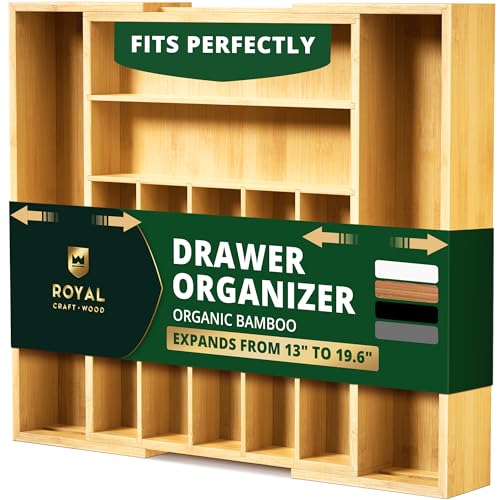
Lock expanding bamboo dividers into your drawers to create individual channels for forks, spoons, and cooking utensils. Store baking sheets and cutting boards vertically using thin tension rods spaced two inches apart between shelves. Pulling out a single baking sheet is easier when you do not have to lift heavy cast iron pans off it. Attach heavy-duty adhesive hooks to the back of your lower cabinet doors to hang pot lids and measuring cups. A standard 15-inch cabinet door easily holds three large lids, freeing up an entire drawer.
Quick Tips
- Use 10-pound spring tension rods to store cutting boards and baking sheets upright inside lower cabinets.
- Limit your daily dishware to just four matching sets and pack the rest away in a storage closet.
- Mount a magnetic spice rack directly to the exposed side of your refrigerator to free up a whole cabinet shelf.
- Place a 12-inch lazy Susan in blind corner cabinets so you stop losing canned goods in the dark recesses.
- Hang your window cleaner and all-purpose spray bottles by their triggers on a small tension rod under the sink.
Frequently Asked Questions
Set a timer for 15 minutes right now. Open your most chaotic junk drawer and throw out any duplicate tools or expired items. Conquer this single small area first to build momentum for the rest of the kitchen.