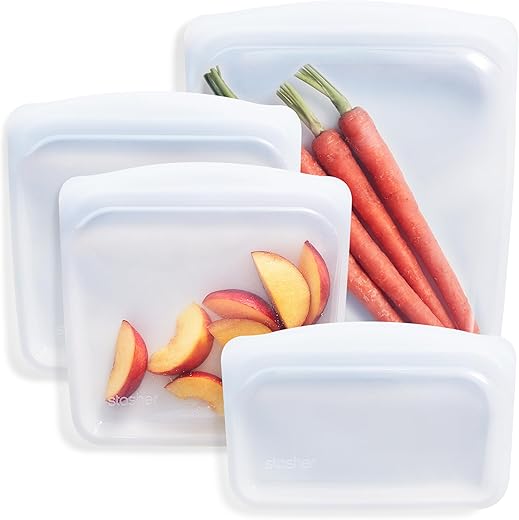
You open a cabinet door. A plastic container falls directly onto your foot. Finding the matching lid takes another five minutes of digging through a chaotic pile of mismatched plastic. This is exhausting. Your morning coffee gets delayed because the everyday mugs sit jammed behind a stack of seldom-used cereal bowls. A poorly arranged kitchen turns simple tasks into frustrating chores.
Stop the madness. Fixing this mess does not require an expensive remodel. You just need a practical system. Pulling everything out and resetting the shelves based on how you actually cook saves you twenty minutes of searching every single day. A smart layout puts the items you use constantly right at your fingertips.
Grab a few garbage bags, a roll of paper towels, and your favorite all-purpose cleaner. We are going to strip those shelves bare. You will build a cabinet layout that actually makes sense for your daily cooking routine.
Empty and Clean Every Single Shelf
Start by taking every single item out of your cabinets. Stack plates, bowls, appliances, and pantry goods on your kitchen table or counters. You need a completely blank slate. Wipe down the empty shelves using a mixture of warm water and a few drops of dish soap. Let the wood or laminate dry completely for about thirty minutes before you put anything back inside.
Sort your massive pile into three distinct groups. Keep, donate, and trash. Throw away expired spices, warped plastic containers, and chipped mugs immediately. Put duplicate gadgets and appliances you have not touched in twelve months into a donation box. Be ruthless. You will free up roughly twenty percent of your storage space just by throwing out the junk you never use.
Group Items by Kitchen Zones
Think about your kitchen in terms of activity zones. Your stove is the cooking zone. Store your pots, pans, spatulas, and cooking oils in the cabinets directly next to the oven. You want to reach these items without taking more than one step. Put your plates, bowls, and silverware near the dishwasher or sink. This simple swap cuts your clean-up time in half.
Keep baking supplies in a separate area if you bake frequently. Dedicate one cabinet to flour, sugar, measuring cups, and mixing bowls. Place coffee mugs directly above your coffee maker alongside your filters and beans. Grouping items by task means you never have to walk across the room while holding a dripping whisk or a hot pan.
Maximize Vertical Space with Racks and Risers
Most standard cabinets waste an enormous amount of vertical space. You end up stacking twelve plates on top of each other. Pulling a plate from the bottom becomes a dangerous balancing act. Buy wire shelf risers. These inexpensive inserts let you stack six dinner plates on the bottom and six salad plates on top. You get twice the storage immediately.
Apply the same logic to your pantry staples. Use tiered acrylic shelves for canned goods so you can actually read the labels on the back row. A three-tier spice rack turns a messy cluster of tiny bottles into an organized display. Measure the height, width, and depth of your shelves before buying any organizers to guarantee they fit behind closed doors.
Tame Your Pots, Pans, and Lids
Stacking heavy cast iron skillets on top of delicate non-stick pans ruins the coating. Stop doing this. Place your heavy pots on the lowest shelves to prevent back strain. Stand frying pans upright using a specialized wire pan rack. This specific setup lets you slide one pan out like a book from a library shelf without disturbing the others.
Lids cause the most frustration in any kitchen. Mount a simple wire lid rack on the inside of your lower cabinet doors. You can also use a deep drawer fitted with tension rods to keep lids standing upright in neat rows. If you must store them flat, place the lid upside down inside its matching pot to create a flat surface for stacking another pot on top.
Sort Your Food Storage Containers
Plastic food storage containers multiply like rabbits in dark cabinets. Gather all your plasticware. Match every single bottom with its exact lid. Throw away any orphans immediately. Buy a set of nesting containers that share a single lid size to make future organization practically effortless.
Stack the container bottoms inside each other like Russian nesting dolls. Store the matching lids vertically in a small plastic bin or use an adjustable drawer divider. Keeping the lids corralled prevents them from sliding all over the cabinet floor every time you shut the door.
Optimize Corner Cabinets
Deep corner cabinets often become a graveyard for lost appliances and expired food. Install a heavy-duty Lazy Susan to fix this awkward space. A spinning tray lets you rotate items to the front with a gentle push. Use the top tier for small items like vinegar bottles and the bottom tier for bulky mixers or blenders.
Blind corner cabinets require a bit more effort. Use large clear plastic bins with handles to store seasonal items like holiday baking tins or massive roasting pans. You can slide the entire bin out at once instead of crawling inside the dark cabinet with a flashlight to retrieve one specific baking sheet.
Assign the Upper Shelves Correctly
Top shelves sit completely out of reach for daily use. Reserve these high spots for lightweight items you only need a few times a year. Turkey roasters, fancy serving platters, and seasonal holiday mugs belong up here. Keep a sturdy folding step stool tucked between the fridge and the counter so you can reach these items safely.
Never put heavy glass bowls or bulky appliances above your head. Gravity will eventually win. Stick to the rule of thumb that anything weighing more than five pounds belongs below your waist. Reserve the eye-level shelves strictly for the glasses, bowls, and plates you pull down every single morning and evening.
Quick Tips
- Use adjustable bamboo drawer dividers to keep your spatulas and serving spoons from tangling into a messy knot.
- Line the bottom of your cabinets with non-adhesive cork or rubber shelf liner to prevent glasses from slipping and chipping.
- Install simple adhesive hooks on the inside of cabinet doors to hang lightweight items like oven mitts and measuring spoons.
- Transfer dry goods like rice, pasta, and flour into clear airtight acrylic containers to keep bugs out and spot low inventory instantly.
- Label the bottom of your spice jars with a marker and store them in a shallow drawer so you can read every name at a glance.
Frequently Asked Questions
Reclaiming your kitchen storage totally changes how you cook and clean. You will prep meals faster when you know exactly where the vegetable peeler lives. Unloading the dishwasher feels like a breeze when every plate and cup has a dedicated, easy-to-reach home.
Start small so you do not get overwhelmed by a massive pile of dishes on your counter. Pick one single cabinet today. Empty it completely, wipe it down, and reorganize that one spot. Tackle the next cabinet tomorrow.