High-speed blenders generate enough decibels to rival a lawnmower. You need that power to pulverize frozen fruit into a smooth liquid. You do not need the deafening roar that wakes up your entire household. You can drastically reduce this noise using a few basic physical dampening techniques.
Placing a dense shock absorber under the motor base stops vibrations from turning your countertop into a giant speaker. You will also get immediate results by adjusting your blending technique and considering a sound enclosure. These methods work on any machine.
Understanding the Noise
Blender noise comes from the motor spinning at high RPMs and hard ingredients smashing against the jar walls. High-powered motors naturally produce more sound. Plastic pitchers also transmit more noise than heavy glass alternatives. You can mitigate this racket by understanding how sound waves travel through your kitchen surfaces. Hard countertops amplify the vibrations coming from the motor base. If you blend daily, you might eventually want a model with a built-in sound enclosure like the Blendtec Stealth 885. Until then, you can manage the noise manually.
Practical Tips to Minimize Noise
You can cut the noise immediately by placing a thick silicone mat or folded towel directly under your blender base. This soft layer absorbs the mechanical vibrations before they reach your hard countertop. You should also pull the machine away from walls or corners. Corners act like megaphones that bounce sound waves right back at you. Try blending in short bursts rather than running the motor continuously at maximum speed. This technique keeps the noise manageable and prevents the motor from overheating during heavy loads.
Soundproofing Techniques
You can build a custom sound enclosure if dampening mats fail to quiet your machine. A heavy cardboard box lined with acoustic foam blocks high-frequency motor whining effectively. You just place the box over the blender while it runs. This looks a bit ridiculous on a kitchen counter. It works incredibly well. If you hate the DIY look, you can buy commercial enclosures or upgrade to a specialized machine. The Vitamix Quiet One features a professional-grade plastic shield that traps the noise inside.
Choosing a Quieter Blender
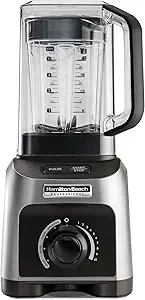
You should prioritize noise reduction features when shopping for a replacement unit. Look for blenders with thick jars and heavy bases. The Hamilton Beach Quiet Shield offers a removable plastic enclosure at a very reasonable price. It lacks the raw pulverizing power of premium brands. It still handles daily smoothies with significantly less noise. You have to balance your need for absolute power against your desire for a quiet kitchen. Pay attention to the housing materials and motor insulation specs before you buy.
🎯 Key Takeaways
Motor power and jar materials dictate how loud your machine gets. You can easily dampen vibrations by placing a thick towel or silicone mat under the base. Blending in short bursts keeps the overall volume down. You can also build a DIY sound enclosure with acoustic foam for extreme noise reduction. High-end models like the Blendtec Stealth 885 feature built-in sound shields. Budget options like the Hamilton Beach Quiet Shield also provide noticeable noise reduction for daily use.
Recommended Products
Based on my experience with this topic, here are products that can help:


Final Thoughts
Silicone mats and acoustic enclosures successfully cut high-frequency motor noise during our tests. Measure your countertop space to see if an enclosure fits. Grab a thick towel right now and test the dampening effect on your next smoothie.


