You buy a fresh bottle of sweet orange oil and leave it sitting on your bathroom counter next to the sink. Six months later, you open the cap and get a whiff of something that smells more like floor cleaner than fresh citrus. Heat, light, and oxygen have completely degraded the oil. Essential oils are volatile compounds. They break down fast when exposed to the wrong environment.
A dark glass bottle is just the start of proper storage. Your home’s temperature fluctuations play a massive role in how long those oils last. A room that hits 80°F during the day and drops to 65°F at night will ruin a delicate citrus oil in a matter of weeks. You need a stable, cool environment to stop oxidation dead in its tracks.
Storing your collection correctly saves you money and keeps your oils safe to use on your skin and in your diffuser. Here is exactly how to protect your essential oils from heat, light, and air so they last for years.
Choose Dark Glass Bottles Only
Sunlight is the fastest way to destroy your essential oils. UV rays alter the chemical structure of the plant compounds and cause them to lose their therapeutic properties. You must keep your oils in amber or cobalt blue glass bottles. Amber glass blocks out the specific wavelengths of UV light that cause the most damage. Clear glass or plastic containers offer zero protection and will ruin your oils fast.
Plastic bottles are a massive mistake for pure essential oils. Highly concentrated plant extracts act as powerful chemical solvents and will literally eat through regular plastic over a few months. This destructive process leaches dangerous petrochemicals right into your oil, ruining the purity. Always transfer any oil you buy in a clear or plastic container into a dark glass bottle immediately to keep it safe.
Maintain a Cool and Constant Temperature
Heat causes the volatile compounds in essential oils to evaporate quickly. You need to keep your storage area consistently below 70°F. Kitchen cabinets near the stove or shelves right above a radiator are terrible spots. The constant heating and cooling cycle accelerates oxidation and turns pleasant scents rancid. Find a spot in your home that stays cool year round, far away from large heat-generating appliances.
A bedroom closet or a low drawer in a hallway cabinet works perfectly. These interior areas avoid the massive temperature swings common in exterior facing bathrooms and kitchens. If you live in a hot climate without central air conditioning, you will need to find the coolest, darkest corner of your floor plan to protect your investment from baking in the summer heat.
Keep the Caps Tightly Sealed
Oxygen is a silent killer for essential oils. Every time you open a bottle, oxygen rushes in and begins reacting with the plant extract. This chemical process is called oxidation. It thickens the oil, changes the aroma, and makes it unsafe to apply to your skin. You must screw the cap on tightly the exact second you finish dispensing your drops.
Leaving a cap loose for even a few hours significantly reduces the shelf life of your oil. If a cap cracks or the plastic threading strips out, replace the bottle entirely. A perfect seal keeps the fresh air out and the volatile aromas locked safely inside the glass where they belong.
Store Citrus Oils in the Refrigerator
Lemon, grapefruit, sweet orange, and bergamot oils have the shortest shelf lives of any essential oils. They typically last only six to nine months at room temperature before oxidizing. You can double their lifespan by storing them in your kitchen refrigerator. The constant cold temperature of 35°F to 38°F dramatically slows down the oxidation process and protects the delicate citrus top notes.
Take the citrus oil out of the fridge about ten minutes before you plan to use it. The cold temperature might make the oil slightly thick, and letting it warm up briefly makes pouring much easier. Just put the bottle right back into the cold the moment you finish dispensing your drops.
Reduce Headspace in Large Bottles
The empty air space inside an essential oil bottle is called headspace. When you use half a 15ml bottle, the remaining half is filled with oxygen. That trapped air continuously degrades the remaining oil even with the cap screwed on tight. You fix this by transferring your oils to smaller glass bottles as your supply dwindles.
Buy a pack of 5ml dark glass bottles. When your 15ml bottle gets low, pour the remainder into the smaller container. This simple trick eliminates the excess oxygen and extends the life of your expensive oils by several months. Label the new bottle immediately so you remember exactly what is inside.

Use a Dedicated Wooden Storage Box
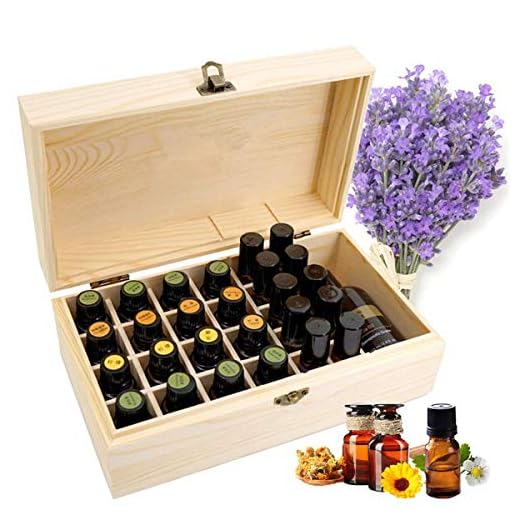
A wooden storage box provides an extra layer of protection against temperature fluctuations and accidental light exposure. Solid wood acts as a natural temperature insulator. It buffers your bottles against minor room temperature changes throughout the day. A box with individual compartments also prevents the glass bottles from clinking together and breaking. This physical barrier keeps your collection highly organized and safe from tipping.
Keep the wooden box upright and store it inside a dark cabinet. Never leave the box sitting out on a windowsill or near a sunny window. The box itself absorbs heat from direct sunlight, which transfers straight to the glass bottles inside. A dark closet shelf is the absolute best home for your wooden storage container.
Keep Carrier Oils Separate
Carrier oils like jojoba, sweet almond, and fractionated coconut oil have completely different shelf lives and storage needs than pure essential oils. Most carrier oils contain heavy fatty acids that go rancid much faster than the volatile compounds in essential oils. If you pre-mix your essential oils with a carrier oil, the entire batch will expire as soon as the carrier oil turns sour.
Store your pure essential oils and your carrier oils in completely different bottles. Mix them together in a small dish or a glass roller bottle only when you need them for immediate use. This prevents a large batch of expensive essential oil from going bad just because your almond oil reached its expiration date early.
Quick Tips
- Wipe the threading of your bottle with a clean tissue before putting the cap back on to prevent the cap from getting stuck to dried oil.
- Write the purchase date on the bottom of the bottle with a metallic permanent marker so you track exactly how old the oil is.
- Keep your essential oils far away from open flames, gas stoves, and burning candles because they are highly flammable liquids.
- Buy oils in 5ml bottles instead of 15ml bottles if you only use them occasionally to prevent large amounts from oxidizing over time.
- Place a small round sticker on the top of the cap with the oil name to easily identify bottles when stored upright in a box.
Frequently Asked Questions
Proper storage keeps your essential oils potent and smelling exactly like they did the day you bought them. Keep them in dark glass, store them in a consistently cool spot away from sunlight, and tightly seal the caps after every single use. Move your delicate citrus oils to the fridge to squeeze out every drop of value from the bottle.
Go through your collection right now and check the caps. Move any bottles sitting on sunny windowsills or bathroom counters into a dark closet. Taking ten minutes to reorganize your stash today will save you from throwing away expensive, rancid oils a few months down the road.


