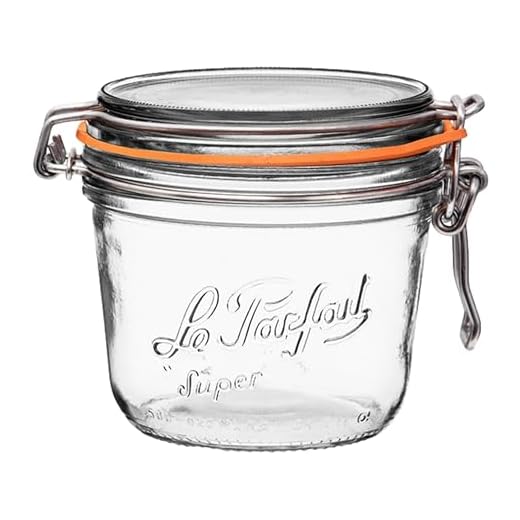
Ground spices lose their volatile oils—the chemical compounds responsible for aroma and flavor—within six months when exposed to ambient kitchen heat and UV light. You can extend that shelf life to two years by transferring them from flimsy grocery store plastics into airtight borosilicate glass or tin-plated steel containers. Store these vessels in a dark pantry drawer rather than the cabinet above your stove.
Understanding Spice Shelf Life
Ground spices max out at two years of viability, while whole spices like cinnamon sticks or black peppercorns hold their essential oils for up to four years. Track your purchase dates with a simple piece of masking tape on the bottom of the jar. When you lose track of time, rely on a sharp sniff test. If the aroma is faint or smells faintly of dust, the volatile oils have completely evaporated. Toss those dead spices immediately—they will only dilute your recipes.
Choosing the Right Containers
Your storage vessels dictate how long your seasonings survive ambient kitchen humidity. The OXO Good Grips POP Set uses a silicone gasket to create a reliable airtight seal, blocking the moisture that turns garlic powder into a solid brick. If you keep spices on an open counter, the Infinity Jars Tall Screwtop offers heavy UV-filtering black glass. For bulk storage, Ball Latch Jars utilize a mechanical wire bail to force a tight seal. Borosilicate glass and high-grade plastics consistently outperform cheap steel tins that rust along the seams.
AOZITA 24-Piece Glass Spice Jars

Optimal Storage Conditions
The cabinet directly above your stove destroys spices rapidly. Steam and ambient heat from boiling pasta water degrade delicate flavor compounds and introduce mold-causing moisture. Store your collection in a cool, dark, and dry location to maximize shelf life. A dedicated pantry shelf or a deep drawer with adjustable wooden compartments keeps your jars away from direct sunlight. This dark environment prevents UV rays from photo-degrading the pigments and bleaching the color and flavor out of expensive paprika or saffron.
The Importance of Proper Labeling
Memory alone fails when managing a large seasoning inventory. Use a physical label maker to mark every single jar with the exact spice name and the specific month of purchase. This strict habit prevents you from accidentally ruining a dish with three-year-old cayenne pepper that tastes like sawdust. Clear, high-contrast labels also stop you from buying duplicate bottles of ground cumin when you already have a full jar pushed to the back of your pantry shelf.
Brother P-Touch PT-D210 Label Maker Bundle

🎯 Key Takeaways
- Ground spices last up to two years; whole spices survive up to four years.
- Silicone-gasket containers block humidity and prevent clumping.
- Keep jars in dark drawers away from stove heat and steam.
- Label every vessel with the exact purchase month and year.
- Discard any powder that fails a basic sniff test.
Recommended Products
Upgrade your storage with these specific airtight vessels to protect volatile oils from ambient kitchen heat and humidity.
OXO Good Grips 5-Piece POP Container Set

Frequently Asked Questions
Can you freeze spices to extend their shelf life?
Freezing spices introduces condensation every time you take the jar out of the freezer. This moisture causes ground powders to clump and accelerates flavor degradation. Store them in a dark, room-temperature pantry instead.
Is buying spices in bulk a good idea?
Only buy bulk spices if you run a commercial kitchen or split the batch with friends. Most home cooks cannot use a pound of ground turmeric before the volatile oils evaporate. Stick to standard two-ounce jars for optimal freshness.
Final Thoughts
Move your spice rack away from the stove today. Throw out any powder that smells like dust, transfer your surviving seasonings into airtight borosilicate glass jars, and label the bottoms with today’s date.
Le Parfait Super Terrine 500mL (16oz) Canning Jar