You wake up eager for a rich cup of coffee but end up pouring a bitter sludge into your mug. This happens when you guess the measurements or let the hot water sit on the grounds too long. A French press makes an incredible cup of coffee when you follow a few basic rules. You need the right coffee to water ratio and the correct grind size to stop that muddy texture.
Most instructions tell you to throw in a few scoops and pour boiling water over the top. That fast method ruins the beans and burns the flavor right out of your morning cup. You will get much better results by weighing your coffee on a digital scale and letting the boiling water cool for exactly one minute before pouring. Taking the time to measure your ingredients separates a harsh brew from a smooth, balanced cup.
Nailing the Coffee to Water Ratio
Great coffee starts with a scale and a strict recipe. You want a 1:15 ratio of coffee to water for a balanced flavor profile. This means you need one gram of coffee for every fifteen grams of water. A standard 32-ounce French press holds about 900 grams of water. You will need 60 grams of coffee beans to fill it completely. Eyeballing with a tablespoon leads to inconsistent results. One scoop of dense, light-roast beans weighs entirely different than a scoop of oily, dark-roast beans.
If you do not own a kitchen scale, you can use a basic volume measurement as a starting point. Measure out one rounded tablespoon of coffee for every four ounces of water. A standard coffee mug holds about eight ounces. You will need two rounded tablespoons per mug. Adjust this up or down based on your personal taste preferences after your first brew. Writing down your measurements helps you recreate the exact same cup tomorrow.
Grinding Your Beans for the Right Extraction
Your grind size dictates how the water interacts with the coffee. A French press requires a coarse grind that looks like sea salt. Fine coffee grounds slip right through the metal mesh filter and create a thick layer of sediment at the bottom of your cup. Fine grounds also extract too quickly. This leaves you with an overly bitter, harsh taste that ruins the entire batch. Getting the texture right solves almost every flavor issue people experience.
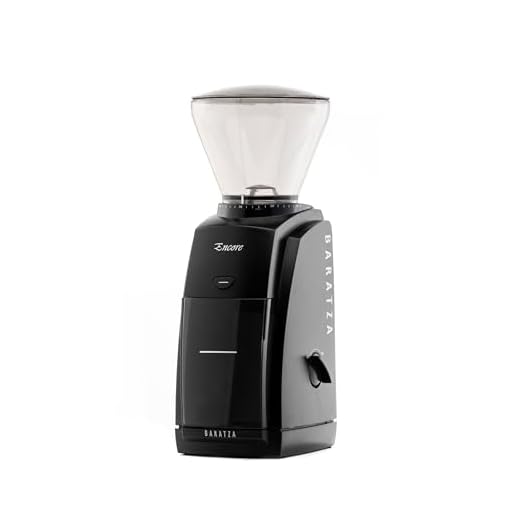
You should use a burr grinder rather than a blade grinder to prepare your beans. Burr grinders crush the beans into uniform pieces. Blade grinders chop the beans unevenly, leaving you with a mix of giant chunks and powdery dust. That dust is the main culprit behind muddy French press coffee. Grind your beans right before you plan to brew to keep the flavor intact. Whole beans hold their aromatics much better than pre-ground coffee.
Heating Your Water to the Ideal Temperature
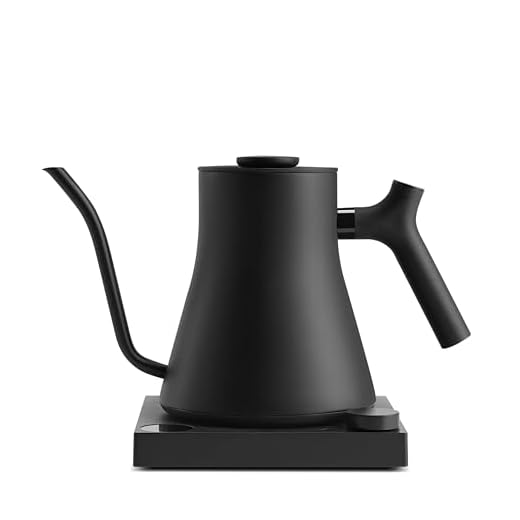
Water temperature plays a massive role in pulling the right flavors from your beans. You want your water resting between 195 and 205 degrees Fahrenheit. Pouring water that is actively rolling at 212 degrees will scorch the coffee. Scorched coffee tastes burnt and completely masks the natural sweetness of the roast. A simple electric gooseneck kettle with temperature control makes hitting this exact heat level incredibly easy.
If you use a standard stovetop kettle, bring the water to a rapid boil. Turn off the heat and pull the kettle off the hot burner. Let it sit uncovered for exactly one minute before you start pouring. This one minute cooling period drops the temperature right into that perfect 200-degree sweet spot. Pre-heat your glass carafe with a splash of hot water while you wait. Dump that warming water before adding your grounds.
The Blooming Process for Better Flavor
Freshly ground coffee releases carbon dioxide when it hits hot water. This reaction creates a bubbling layer on top called the bloom. Pour just enough hot water over your grounds to get them completely wet. This usually takes about twice the weight of the coffee. If you use 60 grams of coffee, pour in 120 grams of water. This specific measurement gives the grounds enough moisture to swell up properly.
Start a timer and let this mixture sit for 30 seconds. The coffee will puff up and expand significantly. Take a wooden or plastic spoon and give the wet grounds a gentle stir to break up any dry clumps. Metal spoons can easily scratch or crack the glass carafe. This blooming phase forces the trapped gas out of the beans. Escaping gas blocks water from entering the coffee particles, so getting it out early prevents weak coffee.
Steeping the Coffee for Exactly Four Minutes
Pour the remaining hot water into the carafe after the 30-second bloom finishes. Fill the press near the top but leave an inch of empty space so you have room to insert the plunger. Place the lid on top of the carafe. Keep the plunger pulled all the way up. This traps the heat inside the glass and maintains a consistent brewing temperature. You lose a lot of heat if you leave the top open.
Let the coffee steep for a total of four minutes. This four-minute mark includes the initial 30-second blooming phase. The coarse grind needs this extended contact time with the water to break down the sugars and oils. Waiting less than four minutes gives you a sour, acidic cup. Waiting longer than five minutes turns the brew bitter and astringent. Watch your timer closely and prepare your coffee mugs while you wait for the clock to run out.
Plunging and Pouring Immediately
Press the plunger down slowly and steadily when your timer hits four minutes. The weight of your hand should be enough to push the mesh filter through the liquid. Do not force the plunger if you feel strong resistance. Pull it up a fraction of an inch and try pushing again. Forcing it down fast causes hot coffee to squirt out of the spout and creates a huge mess on your kitchen counter.
Pour the coffee into your mugs the exact second you finish plunging. The brewing process continues as long as the hot water touches the grounds at the bottom. Leaving the liquid inside the French press turns your second cup incredibly bitter and heavy. Pour any leftover coffee into a thermal insulated carafe if you want to save it for later. This stops the extraction dead in its tracks and preserves the intended flavor profile.
Cleaning Your French Press Properly
Cleaning your French press right away stops old coffee oils from ruining your next batch. Let the glass carafe cool for a few minutes before running it under the tap. Pouring cold water into hot glass causes thermal shock and shatters the carafe instantly. Dump the wet grounds directly into your compost bin or trash can. Never wash coffee grounds down your kitchen sink because they clump together and clog pipes fast.
Unscrew the plunger assembly to clean the individual filter pieces properly. Rinsing the fully assembled filter traps stale grounds between the metal plates. Wash the glass carafe, the mesh screen, and the crossplate with warm water and mild dish soap. Dry the metal parts thoroughly with a towel to prevent them from rusting in the cabinet. Reassemble the filter unit only when every single piece is completely dry.
Quick Tips
- Pre-heat your mug by filling it with hot water while your coffee steeps. Dump the water right before pouring to keep your coffee piping hot longer.
- Skim the floating crust of coffee grounds off the top with two spoons right before you plunge to drastically reduce the sediment in your cup.
- Buy whole bean coffee bags that display a specific roast date rather than a generic expiration date. Coffee tastes best within four weeks of the roasting date.
- Use a dedicated burr grinder strictly for coffee beans. Grinding spices in your coffee grinder transfers unwanted flavors into your morning brew.
- Store your coffee beans in an airtight opaque container at room temperature. The refrigerator creates condensation that ruins the flavor of the beans.
Frequently Asked Questions
Making coffee in a French press requires attention to detail, but the rich flavor makes the extra effort worthwhile. You control the water temperature, the grind size, and the steep time to create a brew tailored perfectly to your taste. A good digital scale and a reliable timer make all the difference in producing consistent results every single morning. Your equipment works best when you keep it clean and use fresh beans.
Go gather your coffee beans and start boiling your water. Follow the four-minute timer rule strictly on your first attempt to set a baseline. You can tweak the ratio tomorrow if you want a stronger or lighter cup. Pour that first mug right away and enjoy the bold flavor.
Recommended Products