You buy a beautiful glass bottle filled with scented oil, drop the sticks in, and expect your living room to smell like a high-end spa. Three days later, you can barely smell a hint of lavender or cedar. The liquid just sits there. You might think the product is defective, but the issue is usually how you set it up. Reed diffusers require a bit of active maintenance to pull the fragrance up the reeds and disperse it into the air.
Setting up a reed diffuser takes exactly two minutes. Keeping it smelling strong takes just five seconds of effort a few times a week. The placement, the room temperature, and the specific way you handle the wooden sticks all dictate how well the scent travels. A diffuser sitting in a dark, stagnant corner at 65 degrees will barely emit a scent. Move it to a spot with proper airflow at 72 degrees, and it will fill the entire room.
You want a consistent, low-maintenance scent without babysitting a candle or plugging in a machine. Let us fix the weak scent issue. We will adjust your placement strategy and get those reeds absorbing oil exactly how they should.
Choose the Right Spot for Airflow
Placement dictates everything about how a reed diffuser performs. You need an area with active air movement to carry the fragrance molecules across the room. A hallway table, a spot near an interior doorway, or a desk where people walk past frequently will push the scent outward. Sticking the bottle in the dead center of a massive room or hiding it inside a bookshelf traps the scent right around the glass vessel.
Keep the bottle away from exterior doors and open windows. A strong breeze will blow your expensive fragrance straight outside. You also want to avoid direct sunlight and hot radiators. Heat causes the oil to evaporate far too quickly. Your goal is a high-traffic area with a consistent room temperature between 68 and 72 degrees Fahrenheit. This temperature range keeps the oil moving up the sticks at a steady, predictable pace.
Prep the Bottle and Reeds
Most new diffusers arrive with a plastic stopper shoved tightly into the neck of the bottle. Pry this stopper out carefully over a sink. Oil will occasionally splash up as the seal breaks, and you do not want to stain your wooden dining table. If the oil comes in a separate plastic bottle, use a small metal funnel to pour it into your glass display vessel. Fill the vessel about three-quarters of the way to the top.
Drop your dry reeds directly into the liquid. Let them sit untouched for about an hour. This gives the base of the sticks time to soak up the initial wave of fragrance. If you want a subtle scent right away, start with just four or five reeds. Adding all eight or ten sticks at once will flood the room with a very strong aroma. You can always add more sticks later if the scent feels too weak.
Perform the Initial Flip for Maximum Scent
After the bottom half of your reeds has soaked in the oil for an hour, pull them out. Flip the bundle upside down and plunge the dry ends into the liquid. The wet, saturated ends are now sticking up into the air. This immediately releases the fragrance into the room. The capillary action of the wood will now start pulling more oil up from the bottom to meet the middle.
Do this over a paper towel to catch any stray drips. Fragrance oil will eat through the finish on your wood furniture if it sits for more than a few minutes. Wash your hands with warm water and dish soap right after handling the wet sticks. The concentrated oils can irritate your skin or transfer to your eyes if you rub them. Your diffuser is now actively working to scent your space.
Flip the Reeds on a Schedule
A reed diffuser is not a passive device. Dust settles on the exposed wood over time, clogging the pores and stopping the scent from escaping. The oil also naturally dries out at the tips. You need to flip the reeds every three to four days to keep the fragrance fresh. Pick a specific day, like Sunday morning and Wednesday evening, to make flipping part of your regular cleaning routine.
If you notice the scent fading faster, flip them every other day. Just know that more frequent flipping means the oil will evaporate quicker. A standard four-ounce bottle of diffuser oil should last roughly two to three months with weekly flipping. If you flip them every single day, you might drain the bottle in under four weeks. Balance your desired scent strength with how often you want to buy refill oil.
Know When to Replace the Reeds
Reeds do not last forever. After a few months of soaking in liquid and collecting household dust, the tiny channels inside the wood get completely clogged. Flipping them will no longer produce a strong smell. When you notice a sharp drop in fragrance despite having plenty of liquid left in the bottle, your sticks are done. Throw them in the trash. You cannot wash and reuse them.
Buy a fresh pack of rattan reeds. Rattan is the standard material because it contains dozens of hollow tubes that suck liquid up efficiently. Bamboo skewers from your kitchen will not work. Bamboo has solid nodes that block the liquid from traveling upward. Swap out your old reeds for fresh rattan ones every three months or whenever you pour a new bottle of fragrance refill into your glass vessel.
Adjust the Scent Intensity
Controlling how strong your room smells comes down to simple math. More reeds equal more scent. Fewer reeds equal less scent. For a small bathroom or a cramped entryway, three or four sticks will provide plenty of fragrance without causing a headache. For a large living room with vaulted ceilings, you will likely need eight to ten sticks fanned out widely to make a noticeable impact.
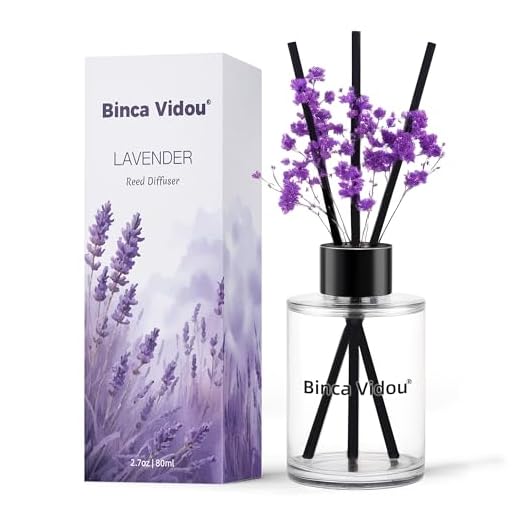
The angle of the sticks matters too. Spread the reeds out so they fan apart like a bouquet of flowers. When sticks clump together in the center of the bottle neck, the air cannot flow freely around the individual wet surfaces. Spreading them out exposes more surface area to the air currents in your room. If the neck of your bottle is too narrow to fan them out, buy a vessel with a wider opening.
Handle Spills and Prevent Damage
Diffuser oil is highly concentrated and contains solvents designed to carry scent. These chemicals will strip paint, dissolve varnish, and leave permanent rings on unprotected surfaces. Never place a glass diffuser directly on a finished wood table or a painted shelf. Put a small ceramic coaster or a decorative metal tray underneath the bottle to catch any accidental drips when you flip the sticks.
If you knock the bottle over, act quickly. Grab an absorbent towel and blot the spill immediately. Do not wipe or scrub, which just spreads the oil further into the wood grain. Wipe the area with a mixture of warm water and a few drops of dish soap to break up the remaining oil. Dry the spot completely. Keeping diffusers out of reach of pets and young children will prevent most tipping accidents entirely.
Refill and Switch Scents
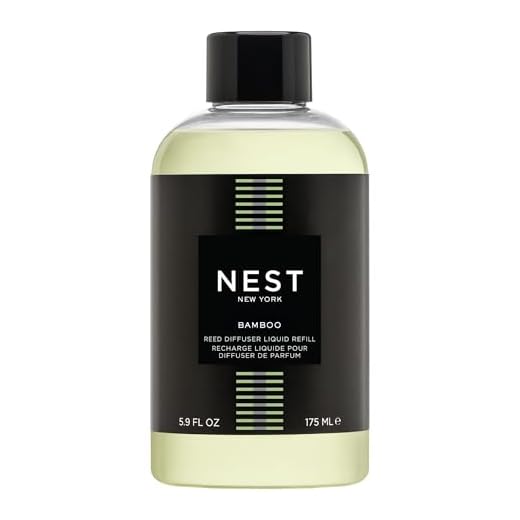
When your liquid runs out, you can buy a refill bottle instead of a whole new kit. Before pouring a new batch of the same scent into your glass vessel, wash the bottle out with hot, soapy water. This removes the sludgy residue that often settles at the bottom over time. Let the glass dry completely overnight. Any leftover water drops will repel the new oil and ruin the wicking process.
If you decide to switch to a completely different fragrance, you must use brand-new reeds. Old sticks hold onto the previous scent forever. Mixing a leftover cedarwood scent inside the sticks with a new citrus oil in the bottle will create a muddy, unpleasant smell. Always pair a new scent profile with a fresh set of rattan sticks and a freshly washed and dried glass vessel.
Quick Tips
- Buy rattan sticks that are twice as tall as your glass bottle. If the bottle is four inches tall, use eight-inch reeds to get enough exposed surface area.
- Swirl the liquid in the bottle gently before flipping your reeds. Fragrance oils and carrier liquids separate over time, and swirling mixes them back together.
- Keep a dedicated pair of tweezers or small tongs nearby to flip the sticks. This prevents the strong fragrance oil from getting on your fingers.
- Place diffusers at chest height or lower. Scent molecules rise naturally, so putting the bottle on a high bookshelf sends the fragrance up to the ceiling.
- Flip your reeds over a trash can or the sink. One stray drop of oil can permanently bubble the finish on a nice piece of furniture.
Frequently Asked Questions
Getting a strong, consistent scent from a reed diffuser comes down to simple maintenance. You need to keep the oil moving by placing the bottle in an area with good airflow and flipping the sticks every few days. Do not let clogged reeds sit in the bottle for six months and expect your room to smell fresh. Treat the sticks as disposable tools that need replacing whenever the fragrance drops off.
Grab your diffuser right now and fan the sticks out so they are not touching. Move the bottle away from direct sunlight and place a coaster underneath it. Flip the reeds to expose the wet ends to the air, wash your hands, and enjoy a room that actually smells like the fragrance you paid for.
Recommended Products