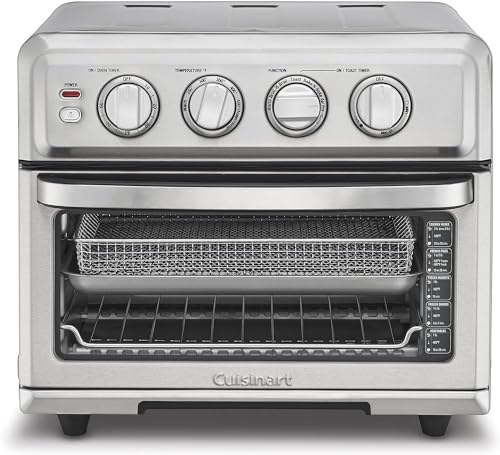
You stared at that bulky black box sitting on your kitchen counter for three days. You bought it to make crispy fries without a gallon of peanut oil. Now you just need to figure out how to turn it on without melting the plastic wrapper or burning down the house.
Air fryers are essentially tiny convection ovens that circulate high heat around your food at rapid speeds. That supercharged air crisping mechanism means you get crunchy chicken wings in 18 minutes at 400 degrees Fahrenheit using just a teaspoon of oil. Getting comfortable with the controls takes exactly one test run.
First time jitters are completely normal with new kitchen appliances. The exact steps below will help you run an initial burn-off cycle, prep your basket, and cook your very first meal safely.
Unbox and Wash the Removable Parts
Pull off every single piece of protective tape before you plug the machine into the wall. Manufacturers love hiding clear plastic film over the digital display screen and blue tape underneath the crisper plate. Take out the main basket and pull out the inner grate or tray. Wash both pieces in the sink with warm water and basic dish soap. This removes manufacturing dust and chemical residue left over from the factory floor.
Dry every component completely with a microfiber towel. Never put wet parts back into the main housing unit. Moisture creates excess steam during the cooking process and ruins the crisping effect you want for your food. Push the dry basket back into the main unit until you hear a satisfying click. Your machine is now clean and assembled.
Run a Ten-Minute Burn-Off Cycle
Brand new heating elements give off a faint burning plastic smell the first time they get hot. You want to get rid of this odor before you put expensive food inside the basket. Plug the cord directly into a wall outlet. Avoid power strips. Set the temperature to 400 degrees Fahrenheit and set the timer for 10 minutes. Hit the start button and let the machine run completely empty.
Open a window or turn on your stove vent while this empty cycle runs. The fan will push out a noticeable odor of hot plastic and mechanical parts. The machine will beep when the 10 minutes wrap up. Pull the basket out and let it cool on a heat-safe silicone mat for five minutes. That factory smell is gone forever.
Preheat Before You Add Your Food
Skipping the preheat stage leaves your food soggy. Air fryers heat up much faster than traditional gas ovens, but they still need three to five minutes to reach their target temperature. Many modern units have a dedicated preheat button built right into the control panel. If yours lacks this button, simply set the temperature to your desired cooking heat and run it empty for four minutes.
Treat your air fryer exactly like a cast iron skillet. You want the cooking surface screaming hot before the food makes contact. If a recipe calls for cooking frozen chicken tenders at 380 degrees Fahrenheit for 12 minutes, preheat the empty basket to 380 degrees first. Drop the tenders in only after the chamber is hot.
Oil Your Food Instead of the Basket
Non-stick aerosol cooking sprays contain chemical propellants that slowly eat away at the teflon coating inside your basket. Spraying the basket directly will leave a sticky permanent residue over time. You should lightly coat your food with oil instead of greasing the machine. Place your raw vegetables or proteins in a large mixing bowl. Add one tablespoon of olive or avocado oil and toss everything until coated.
Invest in a cheap manual oil spritzer bottle if you prefer spraying. Fill it with basic canola or vegetable oil. You get a fine mist over your food without the harsh aerosol chemicals. A tiny amount of oil goes a long way. Half a tablespoon of oil provides plenty of fat to crisp up an entire pound of fresh Brussels sprouts.

Load the Basket in a Single Layer
Piling food to the top of the basket blocks the hot air from circulating. That rapid air movement is the only reason your food gets crunchy. If you dump a giant mound of frozen french fries into the drawer, the ones on the bottom will steam into a mushy paste. The ones on top will burn to a crisp. Spread your food out.
Arrange your chicken wings, fish fillets, or potato wedges in one flat layer with a little space between each piece. Batch cooking is mandatory for larger families. Cook half your food first. Dump the cooked portion into a holding bowl. Cook the second batch. Then throw everything back into the air fryer together for one final minute to reheat the whole pile right before serving.
Shake and Flip Halfway Through
The heating coil sits directly above the food basket. The tops of your meals will cook much faster than the bottoms. You must physically move the food halfway through the cooking time to get an even golden crust. Pull the basket out by the handle right at the halfway mark. The machine will automatically pause the timer and shut off the heat.
Give the basket a vigorous shake if you are cooking small items like tater tots, diced potatoes, or mixed vegetables. Use a pair of silicone-tipped tongs to manually flip larger items like pork chops or salmon fillets. Avoid metal utensils. Metal forks and metal tongs will scratch the non-stick coating right off the crisper plate. Push the basket back in to resume cooking.

Adapt Standard Oven Recipes with a Simple Formula
You can cook almost anything meant for a standard oven inside your new appliance. The high-speed fan forces hot air into the food much faster than a regular oven. You just need to make two simple adjustments to the instructions printed on the back of any frozen food box. Drop the recommended cooking temperature by 25 degrees Fahrenheit. Then cut the suggested cooking time by 20 percent.
Applying this formula prevents the outside of your food from burning while the inside remains frozen. If a box of mozzarella sticks tells you to bake them at 400 degrees Fahrenheit for 15 minutes, you drop the heat to 375 degrees. You then set your timer for 12 minutes. Check the basket around the 10-minute mark to see if the cheese is starting to bubble.
Clean the Basket After Every Single Use
Leftover grease hardens into a thick sludge if you leave it sitting in the bottom drawer. That old fat will smoke terribly the next time you turn the machine on. Let the basket cool down until it is safe to touch. Take out the removable crisper plate and dump any collected fat into the garbage. Never pour hardened grease down your kitchen sink drain.
Wash the basket and the plate with warm water, dish soap, and a non-abrasive sponge. Most modern baskets claim to be dishwasher safe on the top rack. Hand washing takes exactly two minutes and extends the life of the non-stick coating by years. Dry everything with a towel and slide the clean basket back into the base unit so it is ready for tomorrow.

Quick Tips
- Buy a cheap instant-read meat thermometer and check your chicken breasts at the thickest part. The digital display should hit 165 degrees Fahrenheit to be safe.
- Drop two tablespoons of water into the bottom drawer underneath the crisper tray when cooking fatty foods like bacon or sausage. The water catches the dripping fat and stops the machine from blowing white smoke out of the exhaust vent.
- Keep the back exhaust vent at least five inches away from the wall. The machine blows out hot air constantly and will scorch your paint or melt your backsplash if pushed completely flush against the kitchen wall.
- Use parchment paper liners only after you put heavy food on top of them. An empty paper liner will fly up into the top heating element and catch on fire.
- Pull the plug from the wall outlet when you finish cooking. Leaving the appliance plugged in drains phantom power and keeps the internal computer board active.
Frequently Asked Questions
Getting comfortable with a new cooking tool takes a few trial runs. Start with something simple like frozen french fries at 400 degrees Fahrenheit for 12 minutes to learn how your specific machine handles heat. You will quickly figure out the exact timing needed for your favorite meals.
Keep your manual nearby for the first week to check baseline temperatures for different proteins. Go grab a bag of frozen snacks from your freezer, preheat your empty basket, and run your first real batch.