Most people treat vacuuming like a race against the clock. You plug the machine into the wall, crank it up to the highest setting, and sprint back and forth across the room. That method leaves up to half the dirt buried deep within the carpet fibers. Those sharp little particles act like sandpaper against the backing of your rug every time you walk across the room.
Proper vacuuming takes strategy and patience. A standard twelve-by-fifteen-foot living room should take you about ten minutes to vacuum correctly, not two. Moving too fast prevents the brush roll from agitating the fibers and stops the suction from pulling the debris into the dustbin.
You can extend the life of your flooring by changing your technique. Success depends on machine preparation, adjusting to the correct height setting, and moving in a deliberate pattern across the floor. You will notice the difference in the air quality and the feel of the carpet under your feet immediately.
Prep Your Vacuum and Clear the Floor
Start by emptying the canister or replacing the bag before you even plug the machine into the wall. A vacuum loses up to forty percent of its suction power when the dirt cup is more than half full. Check the bottom of the floorhead and snip away any hair or string wrapped tightly around the brush roll. A clean brush roll spins freely and agitates the carpet fibers correctly.
Clear the room of small objects like coins, paper clips, and stray socks. These items will clog the hose or permanently damage the internal motor if sucked up. Store cords and charging cables safely away from the floor before you begin. Move small furniture out of the room completely. Pushing chairs and ottomans around while you work breaks your rhythm and leaves dirty patches.
Set the Correct Vacuum Height for Your Carpet
Adjusting the height of your vacuum base determines how effectively you pull dirt from the fibers. If the setting is too low, the suction seals the vacuum to the floor and cuts off airflow. The motor will overheat and shut down within minutes. If the setting is too high, the brush roll hovers uselessly above the carpet and leaves the dirt sitting right where it was.
Test the height by turning the vacuum on at the highest setting and slowly lowering it notch by notch. Stop lowering the deck the moment you hear the motor pitch change slightly and feel the machine start to pull itself forward. That subtle pull means the bristles are making proper contact with the carpet pile without suffocating the intake valve. You want a balance of heavy suction and easy maneuverability.
Start at the Farthest Corner and Work Backward
Pick the corner of the room farthest from the doorway as your starting point. You will work your way backward toward the exit so you never step on the freshly vacuumed carpet. Foot traffic immediately presses the fluffed fibers back down and tracks new dirt onto the clean surface. Working backward leaves neat grooming lines and a perfectly clean room behind you. Stand firmly and map out your path.
Map out an imaginary grid on the floor. Break the room down into three-foot-wide sections. Focus all your attention on completely cleaning one small section before moving your body to the next. This methodical approach stops you from wandering aimlessly around the room and missing entire patches of dirty flooring. Keeping your focus narrow guarantees every square inch gets adequate brush contact and heavy suction time.
Push Forward Quickly and Pull Back Slowly
The speed of your passes dictates how much debris makes it into the dustbin. Push the vacuum forward at a brisk pace to lift the pile and position the bristles. Then pull the machine backward at half that speed. Most of the heavy lifting happens on the pull stroke. Slowing down gives the motor enough time to drag the heavy soil and sand up through the long hose.
Count to three in your head during every backward pull. A standard pass should cover about three feet of floor space per stroke. Rushing through this step leaves microscopic allergens embedded near the carpet padding. Take your time on the pull stroke to capture the dead skin cells and pet dander trapped near the bottom of the pile. This specific tempo change pulls double the dirt out of the floor.
Overlap Your Passes in Multiple Directions
Carpet fibers get twisted and crushed in various directions based on how you walk across the room. Vacuuming in a single straight line will only clean one side of those twisted fibers. Overlap each stroke by about two inches to prevent leaving thin strips of dirt between your passes. Then you must change your angle to get the rest of the soil hidden on the other side.
Turn your body ninety degrees once you finish vacuuming the entire room in one direction. Vacuum the exact same space again moving crosswise over your original path. This second pass attacks the fibers from a completely different angle. You will likely see just as much dust collect in the bin on the second pass as you did on the first. The crosshatch pattern lifts matted spots back to life.
Use Attachments for Edges and Baseboards
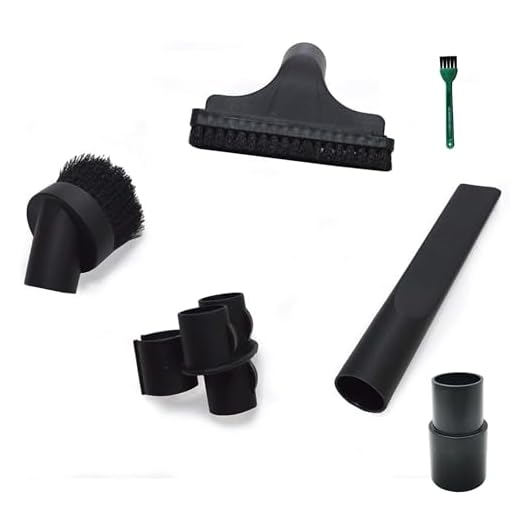
The main floorhead of your upright or canister vacuum cannot reach the tight creases where the carpet meets the baseboard. Dust collects heavily in these unbothered perimeters. Pop on the crevice tool and run it slowly along the edges of the entire room. The concentrated airflow through the narrow nozzle easily rips dust bunnies out of the deep corners. You need this tight suction to grab trapped spiderwebs.
Switch to the dusting brush attachment to clean the actual baseboards while you are already down there. The soft bristles dislodge the sticky layer of dust stuck to the paint. Do this edge cleaning routine once every two weeks to stop permanent dark soil lines from forming around the border of your light colored carpets. Regular attention to the trim keeps the whole room looking professionally detailed.
Empty the Bin Before Storing the Machine
The job is not over when you unplug the cord. Carry the machine to your trash can and empty the dustbin immediately. Leaving dirt, pet hair, and food crumbs sitting inside the canister creates a breeding ground for bacteria. Those trapped particles will make your entire closet smell like a wet dog the next time you open the door. Always store the unit completely empty and ready to go.
Take two minutes to wipe down the exterior of the vacuum with a dry microfiber cloth. Static electricity causes a thick layer of fine dust to cling to the plastic housing while you clean. Wiping away this buildup stops you from dragging old dust back into a fresh room. Wrap the cord tightly around the storage hooks and put the attachments back in their proper holding clips.

Quick Tips
- Sprinkle baking soda over the carpet and let it sit for fifteen minutes before vacuuming to neutralize lingering pet odors trapped in the padding.
- Wash the foam pre-motor filter with warm water and a drop of dish soap once a month, letting it air dry for twenty-four hours before putting it back.
- Keep your passes short and manageable, reaching only about three feet in front of your toes so you do not strain your lower back.
- Use a rubber squeegee or a damp rubber glove to scrape pet hair out of thick rugs before running the machine over the area.
- Vacuum high traffic areas like hallways and living rooms twice a week while saving guest bedrooms for a bi-weekly schedule.
Frequently Asked Questions
Cleaning your floors requires more than just pushing a loud machine around the room. You have to prep the equipment, adjust the deck height, and slow down your movements. Overlapping your passes and hitting the room from two different angles guarantees a genuinely clean floor.
Grab your vacuum and empty the dirt canister right now. Check the brush roll for tangled strings, adjust your height dial, and start practicing the slow reverse pull in your living room today.


