You just noticed a fresh, jagged scratch across your oak floors right in the middle of the hallway. Dirt and grit act like sandpaper under your bare feet. Dragging a heavy plastic machine across those boards only makes the problem worse. Refinishing damaged wood costs anywhere from three to eight dollars per square foot.
Hardwood floors require a gentle approach to pick up dust bunnies and pet hair without leaving permanent marks. Most standard vacuums come equipped with stiff nylon bristles designed to dig deep into thick carpet fibers. Those same aggressive bristles act like wire brushes on a smooth polyurethane finish.
You need the proper settings and the correct technique to protect your expensive investment. We will walk through exactly how to adjust your machine and maneuver it safely across your floors.
Turn Off the Spinning Beater Bar
The spinning brush roll on your vacuum is the number one enemy of hardwood floors. Those stiff nylon bristles spin at roughly 3,000 to 6,500 revolutions per minute to agitate embedded debris in carpet fibers. On a hard surface, they fling dirt across the room instead of sucking it up. They also dig tiny circular grooves into the topcoat of your wood. Find the switch on your vacuum base or handle to turn the brush roll off entirely.
If your vacuum does not have an off switch for the beater bar, you cannot use that specific floor head safely on wood. Many modern machines come with a dedicated bare floor attachment in the box. Swap out the main carpet head for the bare floor tool before you clean. This attachment relies entirely on straight suction. It usually features soft felt or horsehair pads that glide smoothly over the floorboards.
Check Your Vacuum Wheels for Embedded Grit
Plastic wheels collect tiny rocks, grains of sand, and hardened dirt over time. When you drag the vacuum back and forth, those embedded particles grind directly into your floors under the heavy weight of the machine. Flip your vacuum over before you start cleaning. Run your thumb over the main wheels and the small front caster wheels. Pick out any trapped debris using a pair of tweezers or a flathead screwdriver.
Hard plastic wheels also tend to scuff wood much faster than rubberized ones. If your vacuum has cheap plastic wheels, wrap a thin strip of felt tape around the outer wheel edges. You can also wipe the wheels down with a damp microfiber cloth and a drop of dish soap to remove sticky grime. Do this before you start rolling the heavy machine around your dining room.
Swap to a Dedicated Hard Floor Attachment
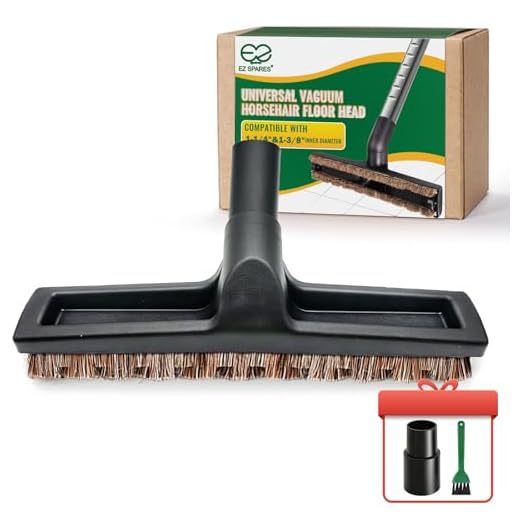
A specialized hard floor brush makes a massive difference for the lifespan of your wood floors. These flat attachments lack a spinning brush roll. They feature a soft outer fringe of natural horsehair or synthetic microfiber. The soft bristles gently sweep fine dust into the suction path without abrasive scraping. You can press down firmly on a twelve inch wide horsehair attachment without worrying about damaging the delicate finish.
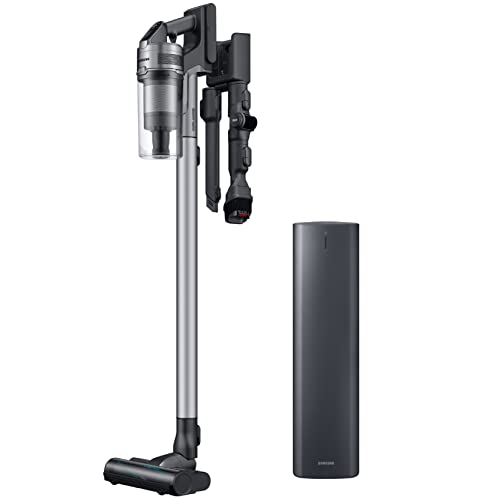
Stick vacuums often feature a fluffy roller attachment specifically built for bare surfaces. This soft velvet roller physically hugs the floor to grab static cling dust and large cereal crumbs simultaneously. If your vacuum includes a fluffy roller, use it exclusively on your hardwoods. Wash the roller in cold water every three months. Let it air dry for forty eight hours to keep the material soft and effective.
Push the Vacuum Parallel to the Wood Grain
Wood floors feature microscopic grooves that follow the natural direction of the grain. Dirt, pet dander, and fine pollen naturally settle into these narrow channels. Pushing your vacuum across the grain forces dirt deeper into the cracks and increases the risk of scratching the surface. Always align your vacuum head and push parallel to the long wood planks.
Following the grain also makes any accidental scuffs far less noticeable to the eye. A scratch running against the grain catches the sunlight and stands out instantly. Take long and steady sweeps from one end of the hallway to the other. This methodical approach picks up dirt trapped in the micro bevels while keeping your movements smooth and perfectly controlled.
Manage the Power Cord Carefully
Corded vacuums present a hidden scratching hazard that most people completely ignore. The thick heavy power cord picks up abrasive dirt from the floor as you pull it around the house. When you yank the cord tight, that dirt drags aggressively across your wood planks. Keep the slack coiled loosely in your free hand as you move around the room.
The hard plastic plug at the end of the cord also causes impact damage. Dropping the plug from waist height easily dents soft woods like pine or fir. Never unplug your vacuum by yanking the cord from across the room. Walk over to the outlet and pull the plug out gently by the plastic housing. Set the plug down softly onto a rug or hold it while you wrap the cord.
Keep the Vacuum Base Stationary
Canister vacuums provide excellent suction but introduce a massive dragging hazard. Pulling a ten pound plastic body around tight corners often results in banged up baseboards and scraped floors. Pick up the canister by its top handle and carry it as you move to a new section of the room. Place it down gently on a small throw rug or a soft microfiber mat to create a safe barrier.
Upright vacuums carry all their weight directly in the floor base. Tilting an upright back too far places excessive pressure on the rear wheels. Keep the handle at a moderate forty five degree angle. Move your feet alongside the vacuum rather than leaning heavily onto the handle. Leaning drives the rear plastic wheels straight into the wood planks.
Clean Up Large Debris by Hand First
Vacuums handle dust and loose pet hair perfectly. They struggle with large rigid objects. Small pebbles, metal pennies, and rogue screws pose a massive threat to your floors. If the vacuum head traps a pebble underneath its plastic rim, you will drag that rock across the room like a snowplow. Scan the immediate area visually before you start cleaning.
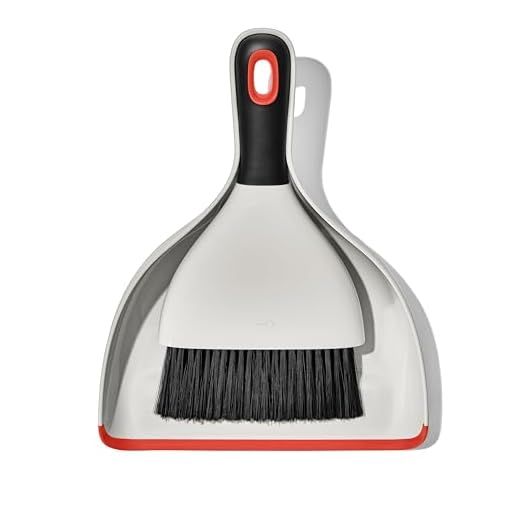
Pick up anything larger than a piece of popcorn by hand. Keep a small handheld dustpan and brush nearby for quick spot cleanups. This preventative step takes less than thirty seconds. It saves you from repairing deep gouges later. Pay special attention to the front entryway where hiking boots and sneakers naturally track in sharp pieces of gravel from the driveway.
Quick Tips
- Check the bottom of your vacuum head weekly for tangled hair and embedded sand using a bright flashlight.
- Apply soft felt strips to the bottom plastic edges of your vacuum attachments to create a safe buffer against the wood.
- Empty the dustbin when it reaches the max fill line to maintain strong suction so you never have to press the floor head down hard.
- Vacuum high traffic zones like the kitchen and mudroom twice a week to stop dirt build up from scratching the floor naturally under your feet.
- Store your vacuum in a closet with a controlled temperature between 60 and 75 degrees Fahrenheit so the rubber wheels stay soft and do not harden.
Frequently Asked Questions
Protecting your hardwood floors starts with adjusting your equipment before you ever hit the power button. Turning off the beater bar and inspecting the wheels will prevent the vast majority of accidental scuffs. A dedicated bare floor attachment makes the job faster and significantly safer for your topcoat.
Check your vacuum settings right now to see if you can disable the spinning brush. Order a soft horsehair floor brush if your current machine only has a bulky carpet head. Take the extra time to vacuum parallel with the wood grain on your next cleaning day to keep those boards looking pristine.
Recommended Products