You are staring at a frozen block of chicken breasts and a blinking Instant Pot screen. Guessing the cook time usually ends in disaster. Set it too low and you serve raw poultry. Set it too high and you are eating rubber. A reliable reference guide saves your dinner.
The timer on the screen only tells part of the story. Pressure cooking requires heating the liquid to build pressure before the actual cooking countdown begins. A ten-minute recipe often takes thirty minutes from start to finish. Knowing the precise minutes for different ingredients takes the guesswork out of meal prep.
Memorizing a few core times and release methods changes how you approach cooking. You can stop frantically searching the internet with raw chicken on your hands. Just match your ingredient to the correct time, add your liquid, and walk away.
The Three Stages of Pressure Cooking Time
Your recipe says to cook for five minutes. That number is deceptive. The appliance needs about ten to fifteen minutes to heat the liquid and build pressure. Once the pin pops up, the actual cooking time begins. A full pot of soup takes longer to pressurize than a single cup of rice. Plan your dinner schedule around the total time rather than just the number you punch into the keypad.
The final stage is the pressure release. A quick release happens instantly when you flip the valve to vent. A natural pressure release means leaving the pot alone until the pin drops on its own. This natural release takes anywhere from ten to twenty minutes. Many dense foods like roasts and dried beans require this resting period to finish cooking gently and absorb moisture.
Cooking Times for Chicken and Poultry
Chicken breasts dry out incredibly fast under high pressure. Cook fresh boneless, skinless chicken breasts for six to eight minutes on high pressure. Follow that with a five-minute natural release before venting the rest of the steam. Bone-in chicken thighs are much more forgiving. Give them ten to twelve minutes on high pressure with a quick release. They come out tender and ready to shred for tacos or casseroles.
Whole chickens cook remarkably well in the pressure cooker. A general rule is six minutes per pound of meat. A standard four-pound bird needs twenty-four minutes on high pressure. Always use a fifteen-minute natural release for whole birds. This keeps the juices inside the meat instead of spraying out the vent. Check the thickest part of the thigh with a meat thermometer to confirm it reached 165 degrees Fahrenheit.
Cooking Times for Beef and Pork Roasts
Tough cuts of meat become incredibly tender under high pressure. A beef chuck roast needs twenty minutes per pound on high pressure. Cut the roast into uniform two-inch chunks to speed up the process. Those chunks take about thirty-five minutes total. Pork shoulder for pulled pork requires similar timing. Cook a three-pound pork shoulder cut into quarters for forty-five minutes.
These dense meats demand a full natural pressure release. Rushing this step with a quick release forces the moisture out of the muscle fibers instantly. You will end up with a dry, stringy roast. Let the pot sit undisturbed for at least fifteen to twenty minutes after the cooking cycle ends. Ground beef or pork is much faster. Brown it on the sauté function, or pressure cook a frozen one-pound block for twenty minutes with a quick release.
Cooking Times for Dried Beans and Legumes
You can skip the overnight soak entirely when making beans in your pressure cooker. Unsoaked black beans and pinto beans need twenty-five to thirty minutes on high pressure. Chickpeas take longer. Cook unsoaked chickpeas for thirty-five to forty minutes. Always cover the beans with at least two inches of water or broth. Add a tablespoon of oil to the pot to prevent the starchy water from foaming up and clogging the release valve.
Lentils cook rapidly and turn to mush if left too long. Brown and green lentils need just eight to ten minutes on high pressure. Red lentils break down even faster. They require only three minutes and are perfect for thickening soups or making dal. Let all beans and legumes naturally release for ten to fifteen minutes to keep their skins intact.
Cooking Times for Rice and Whole Grains
Perfect rice requires an exact ratio of water to grain. White rice like jasmine or basmati needs a one-to-one ratio of water to rice. Cook it for three to four minutes on high pressure. Follow this with a ten-minute natural release. Brown rice has the bran layer intact and needs much more time. Cook brown rice for twenty-two minutes with the same one-to-one liquid ratio and a ten-minute natural release.
Quinoa cooks in one minute on high pressure. Use one cup of quinoa to one and a half cups of water. Let it naturally release for ten minutes before fluffing with a fork. Steel-cut oats are perfect for hands-off breakfasts. Use a ratio of one cup of oats to three cups of water. Cook for four minutes on high pressure with a fifteen-minute natural release to prevent sputtering through the steam valve.
Cooking Times for Fresh and Frozen Vegetables
Vegetables cook in the blink of an eye under pressure. Soft vegetables like broccoli and zucchini require zero minutes on high pressure. You literally set the timer to zero. The pot comes to pressure and immediately finishes. Use a quick release right away to stop the cooking process. Dense root vegetables take slightly longer. Cubed sweet potatoes or carrots need three to four minutes on high pressure.
Whole baking potatoes like Russets need twelve to fifteen minutes depending on their girth. Place them on a trivet above a cup of water to steam rather than boil. A ten-minute natural release yields fluffy baked potatoes. If you are cooking frozen vegetable mixes, cook them for one to two minutes on high pressure with an immediate quick release. Prolonged cooking turns frozen veggies into an unappetizing paste.
How to Adjust Times for Frozen Foods
Cooking meat straight from the freezer is a massive advantage of the Instant Pot. You must adjust your cooking times to account for the frozen state. Increase the total cooking time by fifty percent for frozen cuts of meat. A fresh chicken breast takes six minutes. A frozen chicken breast takes nine to ten minutes. The pot will also take significantly longer to come to pressure because the frozen block drops the internal temperature.
Never stack frozen pieces of meat in a solid block. They will cook unevenly. The outside will overcook while the inside remains raw. Separate frozen chicken thighs or pork chops before cooking. If they are stuck together, run them under cold water just long enough to pry them apart. Always use a meat thermometer to verify the thickest part of the meat reaches safe consumption temperatures.
Quick Tips
- Cut dense meats into uniform two-inch chunks before cooking to reduce your total time by up to fifty percent.
- Add a minimum of one cup of thin liquid like water or chicken broth to the pot to generate enough steam for pressurization.
- Increase your high-pressure cooking time by five percent for every one thousand feet you live above two thousand feet of elevation.
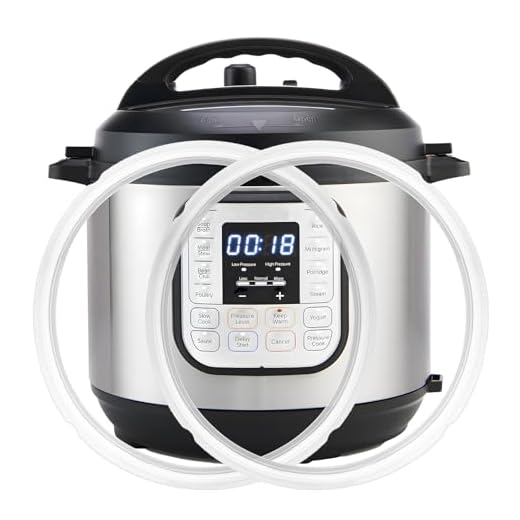
- Rub the inside rim of your silicone sealing ring with a drop of vegetable oil to help the lid close smoothly and seal tightly.
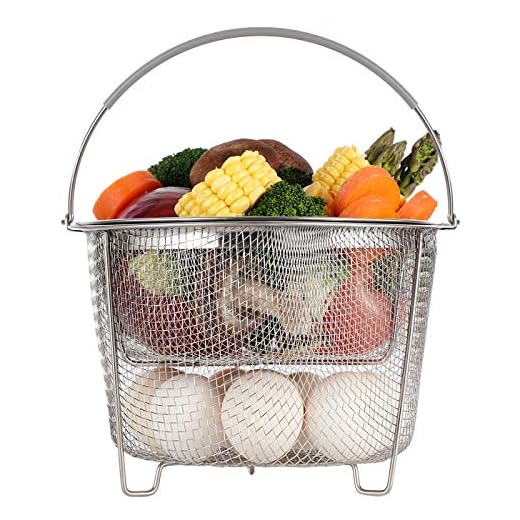
- Use the stainless steel trivet to elevate delicate foods like salmon fillets or whole potatoes out of the boiling liquid so they steam perfectly.
Frequently Asked Questions
Mastering your pressure cooker comes down to understanding the timeline. Once you know exactly how many minutes your favorite ingredients need, dinner preparation becomes a calculated, stress-free routine. You will stop hovering over the appliance and start trusting the process. Keep these numbers in mind the next time you unpack your groceries.
Print this reference sheet out or bookmark it on your phone for your next meal prep session. Start with something simple like a batch of white rice or a few chicken breasts to test your appliance. Grab your ingredients, pour in a cup of broth, and set that timer with absolute confidence.
Recommended Products

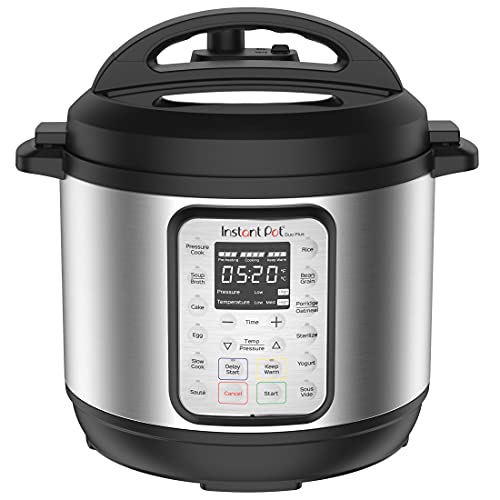
Instant Pot Duo Plus 9-in-1 Multicooker (6-Quart)