Kitchen storage: Tested Containers & Organizers
Tested for leaks, stains, and daily abuse.
Food storage containers, pantry bins, and drawer systems tested in active kitchens. We drop them, freeze them, microwave them, and run them through the dishwasher to find out which ones actually hold up to daily meal prep.
Containers undergo 90 days of daily inversion tests with colored liquids, 200 lid opening cycles to check locking mechanism wear, and 60-day stacked weight tests to measure lid deformation under load.
What are you organizing today?
Questions buyers face before reorganizing their kitchen
After testing dozens of container sets through freezers, microwaves, and dishwashers, these are the material and design choices that separate a lifetime purchase from a six-month replacement.
Glass vs. plastic: Which material makes sense for your routine?
Glass containers handle high heat, resist stains from tomato sauces, and never absorb food odors. Plastic sets weigh significantly less and survive drops onto tile floors that would shatter glass. If you bring lunch to work daily in a tote bag, plastic reduces your carrying weight by pounds. If you rely heavily on the microwave for reheating leftovers, glass prevents the etching and pitting that eventually destroys plastic surfaces.
We track both materials over 90 days to log scratch resistance and drop survivability. High-quality borosilicate glass outlasts plastic by years if it avoids a concrete floor impact, making it the better long-term investment for a stationary home kitchen.
- Glass resists stains and odors completely but weighs up to three times more
- Plastic survives accidental drops but degrades faster with frequent microwave use
- Borosilicate glass handles extreme temperature shifts better than tempered glass
Clasp, snap, or push-button: Which lid style actually prevents leaks?
Push-button lids look sleek in a pantry and allow genuine one-handed operation. They work perfectly for dry goods like flour, sugar, or pasta. They fail completely at holding liquids during our inversion tests. Snap or clasp lids feature thick silicone gaskets that compress directly against the container rim. These styles pass our liquid tests reliably but require more hand strength to open and close.
For pantry staples that sit on a shelf, push-button models save time and frustration. For soups, stews, or lunch transport inside a backpack, a four-latch snap lid is a mandatory requirement to prevent spills.
- Push-button lids excel for dry pantry storage and one-handed access
- Four-latch snap lids secure liquids during transport without leaking
- Silicone gaskets require manual removal and cleaning to prevent mold buildup
What separates lifetime containers from six-month replacements
A cheap set of containers looks identical to a premium set on the store shelf. The differences appear after a month of freezing, microwaving, and washing. Our testing framework focuses on structural integrity and seal degradation, answering the questions that dictate how a storage system performs in a busy kitchen.
The reality of airtight marketing claims
Manufacturers print the word airtight on almost every container box. Our testing shows a very different story. When we submerge sealed containers in colored water and apply pressure, many mid-range models pull liquid past the gasket within thirty seconds. If a container cannot keep water out, it cannot keep stale air away from your crackers or cereal. We measure exact moisture intrusion rates over a fixed timeframe to rank units in our kitchen storage buying guides . True airtight performance requires thick, removable silicone seals and rigid locking arms that refuse to flex.
Stacking stability and pantry real estate
Space efficiency matters as much as food preservation in a standard kitchen. Containers that taper heavily at the base waste up to twenty percent of their internal volume compared to straight-sided designs. Lids with domed tops make vertical stacking nearly impossible without a serious tipping risk. We load containers with dry weights and stack them three units high on wire shelves to see which ones tip over when bumped. If you are evaluating specific models for your cabinets, our storage system comparisons detail exact dimensions and stacking reliability. Flat lids with inset alignment grooves provide the best stability for crowded shelves.
Surviving the dishwasher and microwave
Heat destroys cheap plastics and warps thin lids. After fifty cycles in the bottom rack of a dishwasher, lower-quality containers often lose their shape, making it completely impossible to snap the lid back onto the base. Microwave reheating accelerates this structural degradation. We track material changes over ninety days of thermal shock testing. To extend the life of any set, read our container care tutorials . Hand washing plastic lids prevents the silicone gaskets from shrinking and ensures your system lasts years instead of months.
Top guides & recent updates
The Best Kitchen Storage for a Spring Pantry Reset
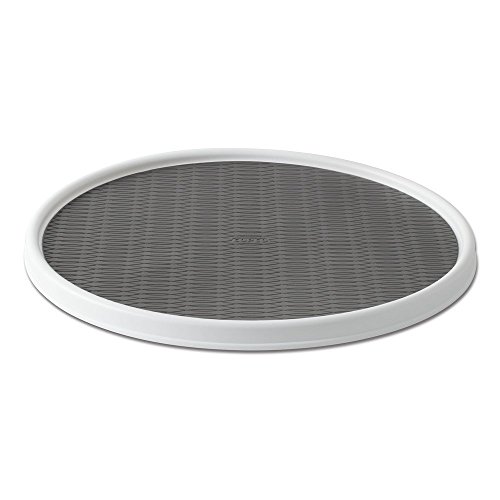
Best Lazy Susans for Cabinets – Top 8 Picks for 2026
Tired of fumbling in cluttered cabinets? We tested the top lazy susans for cabinets to find the smoothest, most durable options for your kitchen.
Buying Guide
Best Magnetic Knife Strips: Top 7 Kitchen Picks for 2026
Searching for the best magnetic knife strips? We tested 7 top models for holding strength, ease of installation, and material quality to find the best.
Buying Guide
Best Refrigerator Organizer Bins – Top 7 Picks for 2026
Tired of a chaotic fridge? Mismatched containers waste space and cause cooling issues. We tested 32 refrigerator organizer bins to find the best sets.
Buying Guide
Best Pantry Organizer Bins – Top 6 Tested Picks
Tired of a cluttered kitchen? We tested 24 pantry organizer bins to find the ones that actually save space. See which 8 passed our rigorous tests.
Buying Guide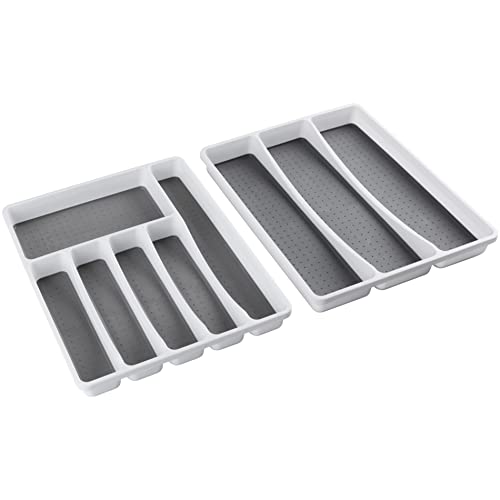
Best Kitchen Drawer Organizers – Our 7 Top Picks for 2026
Tired of messy utensil drawers? We tested 8 top-rated kitchen drawer organizers to find the most durable, non-slip models that maximize your space.
Buying GuideCommon questions about food storage containers
Answers based on 90-day testing cycles, temperature shock evaluations, and long-term durability metrics.
Complete your kitchen organization
Storage containers handle the leftovers, but these tools organize the rest of your prep routine.
Storage solutions, spice organization, prep tools, thermometers, and scales evaluated for daily kitchen use.
The weekly lab report.
No fluff. No ads.
Every Thursday: our latest test results, seasonal buying guides, and price-drop alerts on top-rated gear. Free forever.
No spam. Unsubscribe anytime. We never sell your data.