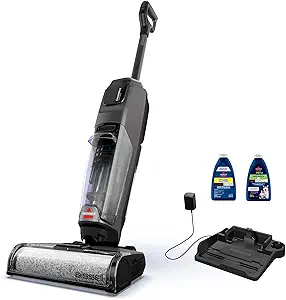
You switch on your vacuum and it hits you: that unmistakable smell of hot dust, stale pet dander, and something vaguely sour. Instead of cleaning your air, your vacuum is pumping a foul odor back into the room. It’s not just unpleasant; it’s a sign that you’re recirculating fine particles of bacteria, mold, and whatever organic gunk is rotting inside.
This happens because the warm environment of the motor combined with the ‘food’ it sucks up—pet hair, skin cells, food crumbs—creates a perfect incubator for smelly bacteria. Just masking the scent with a freshener is like using cologne instead of taking a shower. It doesn’t work, and sometimes it makes things worse.
Getting this wrong means you’re fighting a losing battle, making your home smell bad even as you try to clean it. The real fix is a systematic deep clean that targets the source. We’ll walk you through the exact steps, from the dustbin to the motor filter.
Step 1: Empty and Wash the Dustbin (The Right Way)
The dustbin is ground zero for odors. For bagless models, you need to empty the canister after every single use. Don’t wait for it to hit the ‘max fill’ line; that line is for debris capacity, not odor control. For bagged vacuums, replace the bag when it’s about two-thirds full. A bag packed to bursting reduces suction and concentrates smells.
Emptying isn’t enough. At least once a month, take the canister outside and wash it thoroughly with warm water and a few drops of dish soap. Use a bottle brush to scrub the interior corners where dirt cakes on. Here’s the critical part: let it air dry for a minimum of 24 hours before putting it back. Reassembling it while even slightly damp is the fastest way to create a mildew problem that’s even harder to remove.
OXO Good Grips Deep Clean Brush Set

Step 2: Clean or Replace the Filters, Your Vacuum’s Lungs
Clogged filters are the second-biggest cause of bad smells. They trap smelly particles and restrict airflow, forcing the motor to run hotter, which amplifies any existing odors. Most vacuums have two filters: a pre-motor foam or felt filter and a post-motor HEPA filter.
Check your manual first. Most foam/felt filters can be rinsed under cool tap water until the water runs clear. Gently squeeze out the excess water—never wring or twist them—and lay them flat to air dry for at least 24 hours. They must be bone-dry before you put them back. Many HEPA filters, however, are not washable. You can extend their life by tapping them firmly against the side of your trash can to dislodge dust, but they typically need to be replaced every 6-12 months. A fresh HEPA filter for a popular Dyson model can restore airflow and costs around $20.
Amazon Basics Washable Stick Vacuum Replacement Filters

Step 3: Clear the Brush Roll and Hoses of Hidden Gunk
If your vacuum still stinks after cleaning the bin and filters, the smell is likely trapped in the pathways. Hair, string, and food residue get tangled in the brush roll and caked onto the inside of the hoses, where they slowly decompose.
Unplug your vacuum. Use a seam ripper or small scissors to carefully cut away everything wrapped around the beater bar; this is a common source of a ‘burning hair’ smell. Then, detach the main hose and any wands. To check for a clog, drop a penny through it. If it gets stuck, you’ve found a blockage. To clean the inside, use a flexible hose brush (sometimes sold as a ‘dryer vent brush’) to physically scrub out the debris. For a deeper clean on non-electronic hoses, you can flush it in a utility sink with warm, soapy water, then hang it over a door to dry for a full day.
Fiskars Tabletop Seam Ripper

Step 4: Deodorize Actively, Don’t Just Mask the Scent
Now that your machine is clean, you can take steps to keep it fresh. The goal is to absorb new odors, not just cover them up with perfume. Spraying air freshener into the canister will only create a sticky, scented residue that attracts more dirt.
Instead, place an odor *absorber* inside. Before you start vacuuming, toss a cotton ball with 3-4 drops of lemon or peppermint essential oil into the clean, dry canister or new bag. For more serious odors, especially from pets, add one tablespoon of activated charcoal granules (the kind sold for aquariums or terrariums) to the bottom of the canister. The charcoal will actively absorb smells as you clean.
- Never vacuum up anything wet or damp with a standard dry vacuum. It will create instant mildew in the hose and can ruin your motor within 48 hours.
- After washing plastic parts like the canister, do a final wipe-down with a cloth dampened in a 50/50 white vinegar and water solution. The vinegar is a natural disinfectant that helps kill any lingering mold spores as it dries.
- Store your vacuum in a dry, climate-controlled space like a hall closet. Storing it in a damp basement or garage encourages moisture to creep in and mildew to form.
- For persistent pet smells, vacuum up a quarter-cup of plain, uncooked rolled oats at the end of your cleaning session. They sit in the bin and help absorb the specific oily residue left by pet dander.
Frequently Asked Questions
Conclusion
A smelly vacuum isn’t something you have to live with. It’s a clear signal that the machine needs a thorough cleaning, not a quick fix. By systematically working through the dustbin, filters, and hoses, you eliminate the source of the problem for good. Your next step is simple: take your vacuum outside, open the canister, and get started. The single most important thing to remember is to let every single washed component air dry for at least 24 hours. A little patience prevents a much bigger mold problem down the road.