Best Mops & Steam Cleaners Tested on Real Floors
No streaks. No warped wood. Just tested results.
We test traditional mops, spray mops, and steam cleaners on tile, sealed hardwood, and laminate to find out which ones actually lift grime and which just push dirty water around. Our reviews focus on streak-free finishes, pad durability, and ease of use in active homes.
Each model completes 30 wash cycles tracking microfiber degradation, with steam units evaluated for heat consistency across the pad and safe operating temperatures for sealed wood finishes.
How do you want to tackle your floors?
Which floor cleaning tool fits your routine?
Real-world floor care requires choosing the right mechanism for your surface. Here is how buyers narrow down the options.
Steam mop or traditional spray mop: which should you choose?
Steam mops use heated water vapor to loosen dirt and sanitize without chemical cleaners. They excel on ceramic tile and heavily soiled grout lines where heat easily cuts through kitchen grease. However, excessive heat and moisture pose a genuine risk to unsealed wood, worn laminate, and engineered flooring joints. Spray mops dispense a controlled mist of liquid cleaner and rely entirely on mechanical scrubbing. They carry zero heat risk and are ready instantly for daily maintenance.
If your home features predominantly sealed tile or stone and you want to avoid buying liquid floor cleaners, a steam mop makes sense. For mixed-surface homes with extensive hardwood or laminate, a spray mop provides a safer daily clean with a lower risk of floor damage over time.
- Steam mops cut grease and sanitize without adding chemical residue
- Spray mops offer immediate readiness and carry no heat damage risk
- Unsealed wood and laminate joints degrade under repeated steam exposure
Are reusable microfiber pads actually better than disposable ones?
Disposable pads offer convenience but rely heavily on chemical solvents to dissolve dirt, often leaving a sticky residue behind. Reusable microfiber pads lift and trap dirt mechanically through their dense fiber structure. In our coverage tests, a high-quality microfiber pad can clean up to three times the square footage of a standard disposable before saturation causes smearing. The upfront cost of reusable pads is higher, but the long-term value heavily favors microfiber.
We wash every reusable pad 30 times to identify which brands maintain their structural integrity and which flatten out. Pads that compress easily lose their mechanical lifting power, forcing you to use more elbow grease to achieve the same result.
- Microfiber traps dirt mechanically while disposables often push it around
- Reusable pads clean more square footage per session before smearing
- Pad thickness and fiber density drop significantly after 15 wash cycles in cheaper models
The details that separate a streak-free finish from a smeared mess
Manufacturers emphasize steam temperature or spray nozzle width on the box. Floor cleaning success actually relies on pad material, water management, and sustained contact pressure. Here is what we evaluate during our 30-day trial periods to find the models that actually perform.
The heat limit for hardwood floors
Steam mops advertise temperatures above 200°F to highlight their sanitizing power. That identical temperature can warp engineered hardwood or strip the finish off sealed wood if left in one spot for more than a few seconds. We measure heat distribution across the entire mop head. Models with concentrated heat zones risk damaging floors, while those that distribute steam evenly across a thick pad buffer the impact. Our floor care guides outline which surfaces can handle steam and which require a controlled liquid approach.
Microfiber compression and replacement schedules
A mop is only as effective as the pad attached to it. A brand new microfiber pad absorbs liquid and traps dirt perfectly on day one. By day 30, repeated washing and chemical exposure often compress the fibers, turning the pad into a flat cloth that smears dirty water. We track pad thickness and absorption rates across 30 wash cycles. In our head-to-head comparisons , we evaluate both the hardware and the durability of the included pads, noting which brands force you into frequent replacement purchases.
Why water tank capacity isn’t the whole story
A massive water reservoir seems like a benefit because it means fewer trips to the sink. In practice, a full 30-ounce tank adds nearly two pounds to the handle. Pushing that extra weight across a large kitchen floor quickly causes arm fatigue. We evaluate the balance between tank capacity and maneuverability. The top-rated models in our mop buying guides provide enough water for a standard 300-square-foot room without making the handle feel top-heavy and difficult to steer around chair legs.
Top guides & recent updates
Spring Cleaning Deep Clean: Our Guide to Mops and Steamers

Best Spin Mops – Top 7 Picks for Sparkling Clean Floors
n All products bought at retailn No press samplesn 8 products testedn Prices verified March 2026n nn The O-Cedar RinseClean is the best spin mop because its dual-chamber bucket physically separates the 1.6 gallons of clean water from the dirty runoff, ensuring you never push gray water back onto your floors. After testing eight systems, […]

Best Mops for Tile Floors – Our Top 8 Picks
n All products bought at retailn No press samplesn 8 products testedn Prices verified March 2026n nn If you want the best mop for tile floors, get the O-Cedar EasyWring RinseClean. Its dual-tank system physically separates clean water from dirty water, ensuring you never push gray sludge back into your porous grout lines. Tile floors […]
Best Steam Mops – Our Top 8 Picks for a Deeper Clean
n All products bought at retailn No press samplesn 8 products testedn Prices recently verifiedn nn The Shark Steam & Scrub is the best steam mop we tested because its dual motorized pads hit 150 rotations per minute, physically scrubbing dried syrup off kitchen linoleum so you don’t have to. If you need extreme heat […]

Best Mops for Vinyl Plank Floors – Top 8 Picks
n All products bought at retailn No press samplesn 8 products testedn Prices verified recentlyn nn The Tineco Floor ONE S5 is the best mop for luxury vinyl plank (LVP) floors because its iLoop sensor throttles water output to prevent moisture from seeping into vulnerable plank seams. LVP floors sell you on the dream of […]
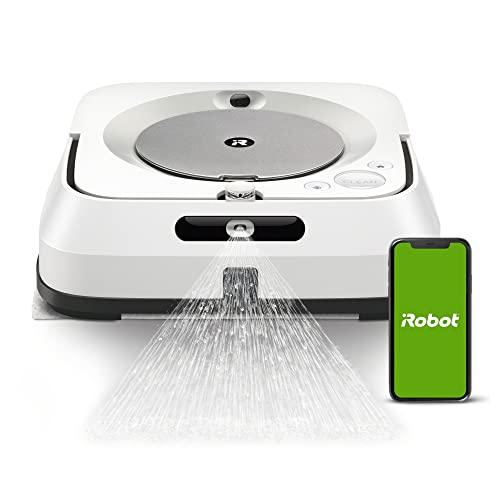
Best Robot Mops of 2026 – Top 8 Picks for Sparkling Floors
Tired of manual mopping? We spent 120 hours testing the best robot mops to find models that truly clean spills, pet hair, and mud on their own.
Buying GuideMop and steam cleaner questions
Answers based on continuous testing on tile, hardwood, and laminate.
Complete your hard floor care toolkit
A mop handles the finish, but you need the right tools before and after the wash.
Vacuums, robot vacuums, mops, surface cleaners, and stain removers all tested in real homes.
The weekly lab report.
No fluff. No ads.
Every Thursday: our latest test results, seasonal buying guides, and price-drop alerts on top-rated gear. Free forever.
No spam. Unsubscribe anytime. We never sell your data.