Multi-Cookers: Tested for Pressure & Precision
100 cycles minimum. Every unit bought at retail.
Electric pressure cookers and multi-cookers tested for temperature accuracy, seal integrity, and ease of use. We log preheat times, pressure release safety, and slow cook consistency to separate true all-in-one appliances from single-trick machines.
Each unit runs through 100 cooking cycles across pressure, slow cook, and sear modes, with gasket condition inspected at 30 and 90 days to catch wear patterns before they cause failures.
What do you need a multi-cooker to do?
The decisions that define a successful multi-cooker purchase
The spec sheets focus on presets, but actual cooking success depends on sizing, style, and interface choices you make before buying.
Dedicated multi-cooker or air-fryer combo?
Base models focus on pressure and slow cooking. Combos add a crisping lid. The combo units save counter space but often compromise on air-fryer capacity due to the deep, narrow pot shape. We measure crisping evenness across full loads. Combos usually require more batching than standalone air fryers to achieve the same crunch, making them less ideal for large families.
- Combos add $50 to $100 to the base price of the machine
- Crisping lids are heavy and require significant storage space
- Base models handle 90% of standard online pressure cooker recipes
3-quart, 6-quart, or 8-quart: which capacity makes sense?
A 6-quart model is the industry standard, fitting most recipes and serving four to six people easily. The 3-quart models are excellent for side dishes or single servings but limit batch cooking potential. An 8-quart unit handles large roasts and weekly meal prep but demands significant vertical clearance under cabinets. We measure actual usable capacity, which maxes out below the stated volume to allow for pressure expansion safely.
- 6-quart fits almost all published multi-cooker recipes without math adjustments
- 3-quart units reach cooking pressure roughly 30% faster than larger models
- 8-quart requires a minimum of 15 inches of vertical storage space
Are smart features and Wi-Fi worth the premium?
Paying extra for app connectivity rarely improves the food. While smartphone notifications for pressure release are convenient when stepping away from the kitchen, the core cooking performance remains identical to manual models in the same product lineup. We track app reliability across a month of testing. We find that physical buttons for custom presets offer faster daily operation than pulling out a smartphone with messy hands to start a simple rice cycle.
- App connectivity adds cost without changing the underlying heating element
- Physical custom presets speed up routine weeknight dinner prep
- Wi-Fi models show higher rates of frustrating software-related error codes
What separates a reliable multi-cooker from a frustrating one
The control panel lists a dozen preset buttons, but actual utility comes down to how well the machine manages heat and pressure. Our evaluation ignores the marketing labels on the front panel and focuses strictly on thermal consistency, seal integrity, and cleanup friction. These three dimensions dictate whether a cooker stays on the kitchen counter or gets banished to a closet shelf.
The pressure seal test: catching wear before failure
A multi-cooker is only as good as its silicone gasket. We track seal integrity across 100 cooking cycles to identify exactly when pressure loss begins to occur. Models that fail to build pressure by cycle 30 without requiring a gasket replacement lose significant points in our multi-cooker buying guides . The mechanism for securing the lid also matters. Auto-sealing valves consistently outlast manual toggle switches that degrade from repetitive forcing by the user.
Slow cooking performance: why pressure-first models run hot
Most multi-cookers are pressure cookers first and slow cookers second. Because they heat directly from the bottom rather than wrapping heat around the sides like a traditional ceramic crock, many run entirely too hot on the lowest setting. This flaw boils delicate proteins instead of gently braising them. We run temperature probes during 8-hour cycles to map the heat curve. If a unit cannot maintain a gentle simmer without spiking, it falls behind in our multi-cooker comparisons .
The inner pot debate: stainless steel vs. non-stick
The material of the cooking pot impacts both searing capability and cleanup routine. Stainless steel pots allow for better fond development when browning meat before a braise, and they survive aggressive scrubbing without permanent damage. Non-stick pots offer easier cleanup for rice and sticky starches but show visible coating degradation after 40 to 50 uses with metal utensils. We detail how to maintain both types properly in our multi-cooker maintenance guides , but for sheer appliance longevity, unlined stainless steel consistently wins out.
Top guides & recent updates
Fall Multi-Cooker Tactics: Mastering Soups, Stews, and Holiday Prep
Fall Guide Fall Multi-Cooker Tactics : Mastering Soups, Stews, and Holiday Prep By the Home Essentials Lab Testing Team · How we test Tested by HomeEssentialsLab Experts Retail purchases only No press samples accepted Read our testing methodology Updated September All products bought at retail No press samples accepted 150+ hours of heat retention testing […]
Spring Multi-Cooker Guide: Lighter Meals and Holiday Prep

Instant Pot Duo vs Crock Pot Stainless Steel Inner Pot
\n \n All products bought at retail\n No press samples\n 2 products tested\n Updated April 2026\n \n\n\n\n Buy the Instant Pot Duo if you need a complete multi-cooker system with a proven safety track record. It wins overall because it includes a 7-in-1 base appliance, a native tri-ply stainless pot, and 13 smart programs. Buy […]
Comparison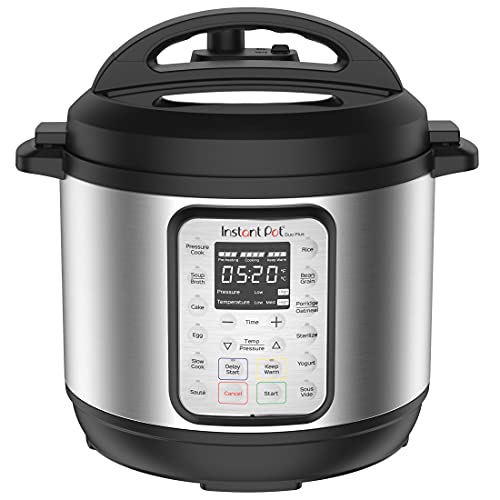
Instant Pot Duo Plus vs Ninja Foodi FD 101
\n \n All products bought at retail\n No press samples\n 2 products tested\n Updated April 2026\n \n\n\n\n The Ninja SP101 Digital Air Fryer Toaster Oven wins because its dry-heat versatility fits daily cooking habits better than a pressure cooker. I tested both in 2026. Buy the Instant Pot Duo Plus for soups and tough meats, […]
Comparison
Instant Pot Duo vs Duo Plus: Which Is Better for You? (2026)
\n \n All products bought at retail\n No press samples\n 2 products tested\n Updated April 2026\n \n\n\n\n The Instant Pot Duo Plus wins this comparison because the upgraded display and anti-spin inner pot fix the most annoying quirks of the original. If you exclusively want a pressure cooker—a sealed pot that cooks food quickly using […]
Comparison
Cuckoo CR-0655F vs Instant Pot Duo: Which Is Better? (2026)
Choosing between the Cuckoo CR-0655F and the Instant Pot Duo? One perfects rice with Micom tech, while the other speeds up daily meals with pressure cooking.
ComparisonMulti-Cooker questions we get asked most
Answers based on rigorous testing across 100 cooking cycles, not manufacturer claims.
Expand your kitchen toolkit
Buyers looking for multi-cookers often build their meal prep stations with these tools.
Air fryers, blenders, toaster ovens, coffee makers, rice cookers, and multi-cookers benchmarked for real-home performance.
The weekly lab report.
No fluff. No ads.
Every Thursday: our latest test results, seasonal buying guides, and price-drop alerts on top-rated gear. Free forever.
No spam. Unsubscribe anytime. We never sell your data.