Oil of lemon eucalyptus (OLE) is the only plant-based active ingredient recognized by the CDC to repel mosquitoes as effectively as low-concentration DEET. Skip the synthetic chemicals. By diluting highly concentrated essential oils with the right carrier liquids, you create a targeted, skin-safe barrier against mosquitoes, ants, and spiders.
The Power of Lemon Eucalyptus
Lemon eucalyptus oil contains PMD, the active compound that masks your scent from mosquitoes. Plant Therapy’s Lemon Eucalyptus requires a 30% dilution rate to match the efficacy of a standard bug spray. Mix 15 drops into a tablespoon of carrier oil like jojoba or fractionated coconut oil before applying it to your ankles and wrists. This specific concentration provides about two hours of protection before you need to reapply.
Plant Therapy Organic Lemon Eucalyptus Essential Oil

Citronella Oil: A Classic Repellent
Citronella works by confusing the olfactory receptors of flying insects. NOW Citronella Oil provides a strong, undiluted concentration that works best for area diffusion rather than direct skin application. Place a diffuser on your patio table and run it continuously to create a localized no-fly zone for mosquitoes and gnats. If you make your own outdoor candles, use a 10% fragrance load to ensure the scent throw is strong enough to actually deter pests.
NOW Essential Oils Pure Citronella Oil

Peppermint Oil for Spiders and Ants
Spiders and ants rely heavily on scent trails to navigate, and the high menthol content in peppermint oil disrupts those paths. Majestic Pure Peppermint Oil is potent enough for perimeter defense. Mix 20 drops with two ounces of water and a splash of dish soap to help the oil bind. Spray this directly along baseboards, window tracks, and door thresholds. The strong menthol barrier forces crawling insects to find another route into your home.
Majestic Pure Peppermint Essential Oil, 4 Oz

Creating a DIY Bug Repellent Blend
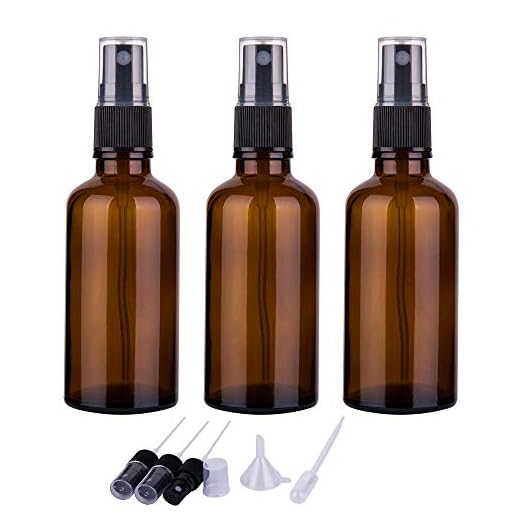
To build an effective broad-spectrum repellent, you need a precise ratio of active oils to your carrier liquid so it remains skin-safe. In a dark glass spray bottle, combine two ounces of unscented witch hazel and two ounces of distilled water. Add exactly 15 drops of lemon eucalyptus, 10 drops of citronella, and 5 drops of peppermint oil. The witch hazel helps the oils emulsify with the water. Shake the bottle vigorously for five seconds before every single application, as the oils naturally separate between uses.
Amber Glass Fine Mist Spray Bottles (Set of 3)
🎯 Key Takeaways
- Oil of lemon eucalyptus (OLE) is the only plant-based repellent recognized by the CDC.
- Dilute lemon eucalyptus at a 30% ratio for direct skin application.
- Diffuse citronella oil to create a localized barrier against flying insects on patios.
- Spray peppermint oil along baseboards to disrupt ant and spider scent trails.
- Always use a carrier liquid like witch hazel and shake vigorously before applying DIY blends.
Frequently Asked Questions
Is this DIY bug spray safe for children and pets?
Do not use oil of lemon eucalyptus (OLE) or peppermint oil on children under three years old. Essential oils like peppermint and citrus are also highly toxic to cats and dogs. Never apply this spray to your pets, and avoid diffusing these oils in enclosed rooms where animals sleep.
What is the shelf life of homemade essential oil repellent?
A water-and-witch-hazel blend lasts about two to three months. Because this recipe lacks synthetic preservatives, bacteria can eventually grow in the water. Store your dark glass bottle in a cool, dry cabinet away from direct sunlight to prevent the essential oils from oxidizing and losing their potency.
Recommended Products
Here are the specific essential oils and carrier liquids required to mix your own repellent:
Final Thoughts
Always patch-test your new essential oil blend on a small area of your forearm before applying it everywhere. Grab a dark glass spray bottle, mix your carrier liquids, and keep your custom repellent by the back door.
Handcraft Blends Fractionated Coconut Oil, 16 Oz


