Plug-in air fresheners & wax warmers.
Tested for throw, fade, and refill value.
We test liquid plug-ins, smart scent dispensers, and electric wax warmers in real 150 sq ft and 300 sq ft rooms. We track how quickly the fragrance fills the space, when nose-blindness sets in, and how long each refill actually lasts before the scent disappears completely.
Refill longevity is measured by weighing cartridges weekly, and scent intensity is evaluated at standard intervals from the heat source to separate units that project across a room from those that only scent a single corner.
Find the right device for your space
Questions buyers face when choosing a plug-in or warmer
Evaluating which format fits your daily routine prevents wasted money on hardware that sits unused or burns through expensive refills too quickly.
Liquid plug-ins vs. wax warmers: which format is right for your space?
Liquid plug-ins offer set-and-forget convenience but often fade in intensity as the wick dries out or users go nose-blind. Wax warmers require manual wax replacement but deliver a stronger, more customizable scent throw because you control the portion size. If you want continuous background fragrance in a bathroom or hallway, liquid formats work best.
Wax warmers suit living rooms and kitchens where you want temporary, high-intensity fragrance without leaving a device running 24 hours a day.
- Liquid plug-ins provide consistent background scent for weeks with zero daily effort
- Wax warmers offer stronger peak intensity for shorter durations in open spaces
- Wax requires physical cleaning and handling hot liquids when swapping scents
Are smart plug-ins worth the higher upfront cost?
Standard plug-ins run constantly, leading to wasted oil while you sleep and rapid nose-blindness. Smart dispensers connect to an app, letting you schedule runtimes and adjust intensity levels dynamically. This extends a standard refill from 30 days to sometimes 50 days by only dispersing scent when you are actually home to notice it.
The hardware costs significantly more, but the reduction in refill waste often covers the price difference within the first year of ownership.
- Scheduling prevents running devices in empty rooms or overnight
- Intensity control reduces oil consumption and extends cartridge life
- App connectivity requires a stable Wi-Fi network to function properly
How much will refills actually cost over a year?
The hardware price is a distraction. The true cost of home fragrance lives in the refills. A cheap five-dollar warmer might cost sixty dollars a year to operate if it burns through low-quality wax melts in two days. We calculate the annual cost to scent a standard 150 square foot room across all devices.
Proprietary smart systems lock you into their specific cartridges, which rarely go on sale. Standard outlet plug-ins allow access to generic grocery store refills, keeping ongoing costs low.
- Hardware is cheap while ongoing oil and wax purchases drive the real expense
- Proprietary cartridges cost two to three times more than standard store brands
- Weighing cartridges reveals many fade out days before the stated lifespan
Evaluating plug-ins and warmers beyond the packaging claims
Buying a scent device feels like a low stakes purchase until you realize you are committing to a specific ecosystem of ongoing costs. We look past the attractive hardware and evaluate how these units perform over an entire month, tracking the drop in fragrance intensity and measuring the actual rate of oil consumption.
Scent throw and room size matching
A device designed for a small bathroom will struggle to scent an open plan living room. We measure scent throw distance from the outlet in standardized rooms. A single standard plug-in rarely covers more than 150 square feet effectively. For larger areas, you need multiple units or a fan driven smart dispenser. See our plug-in and warmer buying guides for models matched to specific room dimensions.
The reality of olfactory fatigue
Manufacturers often blame the user when a plug-in seems to stop working after a week. The issue is usually olfactory fatigue, where your brain stops registering a continuous scent. Alternating dual scent warmers and smart devices with rest cycles combat this effectively. Our scent device comparisons highlight units that pulse or switch fragrances to keep the smell noticeable week after week.
Safety features and spill risks
Liquid oil presents a serious hazard to wood finishes and pets if a unit tips over or leaks. We inspect every device for secure cartridge locking mechanisms and stable heating elements. Electric wax warmers must have reliable auto shutoff features to prevent overheating when the wax pool runs dry. Our maintenance and safety guides detail how to place these devices away from high traffic zones and sensitive surfaces.
Top guides & recent updates
Summer Plug-ins & Warmers Tips for High-Heat Scenting
Spring Strategies for Plug-ins & Warmers
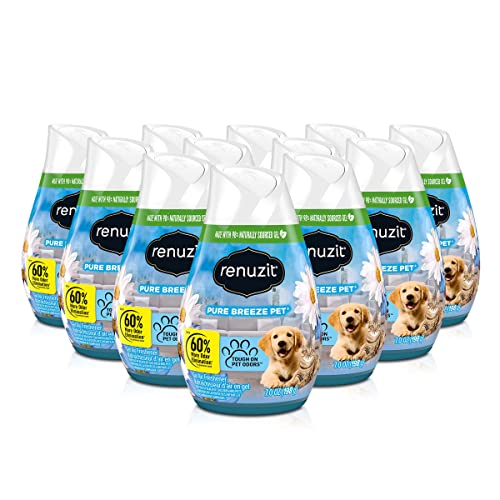
Best Non-Electric Air Fresheners – Top 8 Picks Reviewed
n n All products bought at retailn No press samplesn 8 products testedn Prices verified March 2026n nnnn Most air fresheners require an outlet, which is entirely useless for a smelly shoe closet, a gym bag, or a guest bathroom with bad wiring. Non-electric options actually solve the structural problems of home odors by letting […]

Best Safe Plugin Air Freshener Alternatives
n Best Safe Plugin Air Freshener Alternatives 2026 – Top 8 Tested & Reviewed nnnn When you walk into a room and get hit by an overpowering scent, it can be a real mood killer, right? I’ve been there. With a family prone to allergies and a curious cat that investigates everything, finding a safe […]

Best Wax Warmers – Our Top 7 Picks for a Flame-Free Home
Searching for the best wax warmers? We tested 8 flame-free models for 4 weeks to find the safest, most effective options for your home.
Buying Guide
Best Plug-in Air Fresheners – Top 7 Picks for a Fresh Home
Tired of scents that fade in days? We tested 8 top plug-in air fresheners to find the ones that truly last and eliminate odors without leaking.
Buying GuideCommon questions about plug-ins and warmers
Real data on device safety, scent longevity, and placement from our testing lab.
Other ways to manage home fragrance
Scenting a room is just one part of maintaining a fresh environment. Explore these related categories for odor control and alternative fragrance methods.
Air purifiers, diffusers, plug-ins, and odor eliminators tested for effective room coverage and safety.
The weekly lab report.
No fluff. No ads.
Every Thursday: our latest test results, seasonal buying guides, and price-drop alerts on top-rated gear. Free forever.
No spam. Unsubscribe anytime. We never sell your data.