Prep tools: Tested Cutting Boards & Graters
Blade retention and warp resistance measured.
Cutting boards, mandolines, graters, and specialized prep gadgets evaluated in active kitchens. We test for stability on wet countertops, blade sharpness after months of daily cooking, and whether safety guards actually protect fingers without slowing down your chopping rhythm.
Each cutting board undergoes 180 prep sessions with standardized tomato and carrot slice tests to check groove depth and knife dulling. Mandolines and graters are scored on yield consistency and the physical effort required to process dense root vegetables.
Which prep tool do you need?
The questions that decide your prep tool purchase
Buying the right prep gear prevents countertop slipping and early blade dulling. Here is what matters when choosing your everyday kitchen tools.
Wood or plastic cutting boards: which material fits your cooking habits?
Plastic boards offer dishwasher convenience and low maintenance. They also scar faster and dull your knives quicker than wood. We track groove depth on plastic boards; most require replacement within a year of heavy use because deep grooves harbor bacteria. Wood boards demand regular oiling and strict hand-washing. They reward that effort by preserving knife edges and lasting decades.
Choosing between them depends on your cleaning preferences. We test both materials and document exactly when each board begins showing significant wear.
- Plastic boards show 2mm groove depth after 90 prep sessions in our tests
- Wood boards maintain surface integrity past 180 sessions with proper oiling
- Dishwasher cycles warp thin plastic boards within three months
Mandoline slicers: should you buy a V-blade or a straight blade?
Straight blades work well for firm vegetables like potatoes and carrots. They struggle to penetrate the skin of soft produce like tomatoes without crushing the flesh. V-blades pierce the skin from two angles simultaneously. This creates clean slices on delicate items while still handling hard root vegetables easily.
We test mandolines on three produce types to measure slicing consistency and yield waste. The blade shape determines which vegetables slide through cleanly and which ones require dangerous amounts of downward force.
- V-blades reduce crushing on tomatoes by 40 percent compared to straight blades
- Straight blades offer easier resharpening for long-term maintenance
- Hand guard usability determines whether the tool is actually safe to operate
Box graters vs. flat graters: what dictates the best yield?
A box grater provides stability and multiple shred sizes in a single footprint. The vertical stance allows you to apply downward pressure safely when shredding hard cheeses or large carrots. Flat handheld graters require you to brace the tool against a bowl or cutting board. This creates awkward angles for heavy shredding tasks but saves significant drawer space.
We time grating speed and measure the final yield to find which tool design extracts the most usable ingredient with the least physical effort.
- Box graters process 1 pound of hard cheese 30 percent faster than flat graters
- Flat styles fit inside shallow drawers where box graters cannot
- Stability on wet countertops varies wildly among box grater base designs
Looking past the packaging claims on prep gear
Marketing materials highlight razor-sharp blades out of the box and promises of effortless chopping. Initial sharpness tells you very little about how a tool performs after a month of daily meal preparation. Our testing isolates the wear patterns, structural failures, and cleaning frustrations that appear only after repeated exposure to acidic foods and wet environments.
Wood vs. plastic cutting boards and what edge retention actually looks like
Most buyers assume plastic boards are inherently safer and easier to maintain. While dishwasher sanitation is a benefit, plastic surfaces scar deeply from standard knife work. We measure these scars with calipers and find that deep plastic grooves hold moisture and resist scrubbing. End-grain wood boards allow knife blades to slide between wood fibers. This action prevents the deep scarring seen on plastic and keeps your chef’s knife sharp significantly longer. You can explore how different materials affect blade life in our cutting board buying guides .
Mandoline safety guards and why most fail in the first week
A mandoline is only as useful as its hand guard. Many manufacturers include bulky plastic pushers that fail to grip the food securely. When a guard slips off a half-sliced onion, cooks stop using the guard entirely. This creates a severe safety hazard. We score mandolines specifically on how well the pusher anchors into different textures of produce. Models with long metal prongs consistently outperform those with shallow plastic spikes. See the top performers in our mandoline comparisons .
Box graters vs. microplanes when matching the tool to the yield
Buying a single grating tool rarely solves all kitchen prep needs. Box graters excel at processing volume for casseroles and pizzas. They fail miserably when zesting lemons or grating fresh nutmeg. Microplanes utilize photo-etched teeth that sheer small, precise curls from hard ingredients without tearing the flesh. Using a microplane for block cheese takes four times as long as a box grater. We detail which tool fits which recipe in our prep tool usage guides .
Top guides & recent updates
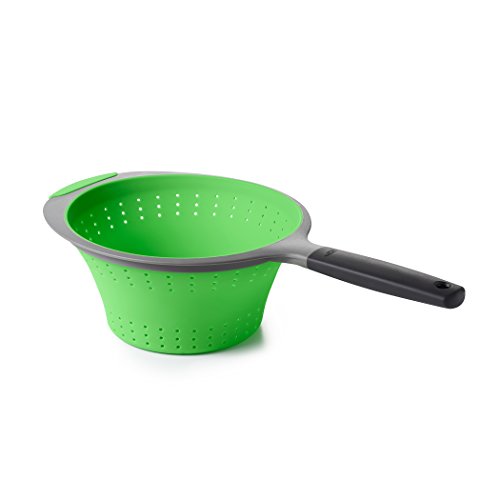
Best Collapsible Colanders: Top 7 Tested & Reviewed 2026
Searching for the best collapsible colander that won't buckle under pressure? We tested 7 models with boiling pasta to find durable, space-saving strainers.
Buying Guide
Best Over-the-Sink Cutting Boards – Top 7 Picks for 2026
Lacking counter space? An over-the-sink cutting board transforms your basin into a prep area. We tested top models to find the most stable and durable options.
Buying GuidePrep tool questions we hear most often
Answers based on rigorous kitchen testing and caliper measurements.
Expand your kitchen tool setup
Cooks who invest in quality prep tools often upgrade these related items.
Storage solutions, spice organization, prep tools, thermometers, scales, and reusable alternatives tested for your kitchen.
The weekly lab report.
No fluff. No ads.
Every Thursday: our latest test results, seasonal buying guides, and price-drop alerts on top-rated gear. Free forever.
No spam. Unsubscribe anytime. We never sell your data.