Stomach acid hits your carpet at a pH of around 1.5 to 3.5, instantly burning into nylon and wool fibers if left untreated. You need an alkaline solution to break that bond before the butyric acid—the compound responsible for that lingering sour smell—becomes permanent. Baking soda and white vinegar neutralize the immediate pH imbalance if you act within the first hour. For older messes, commercial protease enzyme cleaners are the only way to digest the remaining proteins.
Immediate Cleanup: The First Step
Scoop up solid material immediately using two stiff pieces of cardboard acting like a clamshell. Never press down with a rag; applying pressure forces the highly acidic liquid past the primary backing and into the polyurethane carpet pad, where it becomes nearly impossible to extract. Gently blot the wet spot with a dry microfiber cloth to absorb surface moisture. Pour a heavy, half-inch layer of dry baking soda directly over the damp area. The sodium bicarbonate absorbs the liquid and neutralizes the stomach acid on contact. Let it sit for at least 15 to 20 minutes until the powder clumps. Vacuum the dried paste using a hose attachment—not your vacuum’s beater bar, which will just grind the powder deeper.
Deep Cleaning with Effective Solutions
If you used baking soda first, following up with white vinegar creates a foaming chemical reaction that lifts trapped organic compounds to the surface. Mix one cup of water with one cup of white vinegar in a spray bottle. Saturate the stained area, wait ten minutes, and press a clean towel into the spot using the heel of your hand to extract the liquid. For synthetic carpets like olefin or polyester, this pantry method often works. However, if the vomit reached the carpet pad, you need a bio-enzymatic cleaner. Look for formulas containing protease and amylase enzymes, which actively digest the protein and starch binders in stomach contents. Saturate the area, cover it with a damp towel to keep the enzymes active, and let it sit for 24 hours.
Rinsing and Reassessing
Leftover cleaning residue acts as a surfactant, attracting dirt and turning the treated spot black over the next few weeks. You must extract every drop of the cleaning solution. Fill a spray bottle with warm tap water and lightly mist the area. Press a folded, dry cotton towel into the carpet. Step on the towel with your full body weight to force the moisture up from the backing. Repeat this water-misting and stepping process until the towel comes up completely dry and clean. Set up a box fan pointing directly at the wet spot for at least four hours. Once the carpet is bone dry, get down and smell the fibers. If a faint sour odor remains, the acid has penetrated the pad, requiring a heavy application of a protease enzyme cleaner.
Preventing Future Odor Problems
Keep a fresh box of baking soda and a dedicated bio-enzymatic cleaner in your utility closet. When an accident happens, you have a roughly ten-minute window before the acidic liquid penetrates the carpet’s primary backing. After deep cleaning any spot, apply a fluorochemical carpet protectant spray. This restores the factory-applied liquid barrier on nylon and polyester fibers, causing future spills to bead up on the surface rather than soaking in immediately. Vacuuming weekly with a HEPA-filtered machine also pulls out abrasive organic dust before it can settle.
🎯 Key Takeaways
- Act within ten minutes to prevent stomach acid from burning into the carpet pad.
- Scoop solids with cardboard and apply a half-inch layer of baking soda to neutralize the acid.
- Extract lifted organic compounds using a 50/50 mix of white vinegar and water.
- Saturate deep stains with a protease-based enzyme cleaner to digest lingering proteins.
- Rinse the spot with warm water and extract with a towel under your body weight to prevent dirt-attracting residue.
- Restore the fiber’s liquid barrier with a fluorochemical protectant spray.
Recommended Products
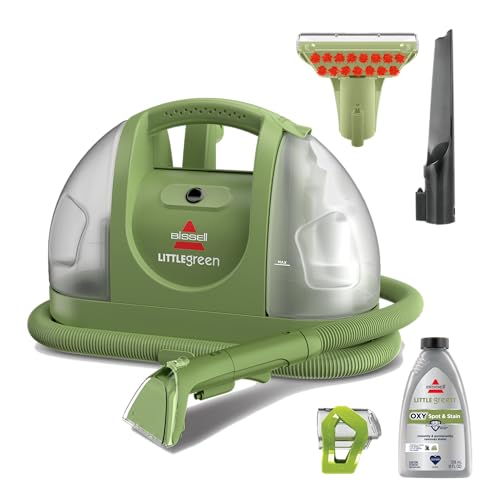
Standard household surface cleaners fail on vomit because they cannot break down the complex proteins and butyric acid left behind. You need a bio-enzymatic formula that digests organic matter at the microscopic level. Keep a dedicated enzymatic stain remover in your cabinet for immediate deployment. The Bissell formula below utilizes specific enzyme strains that target biological messes. During our extraction tests, it consistently neutralized deep-set odors in high-pile nylon carpets without bleaching the dye, working effectively on both fresh spills and dried, multi-day stains.
Frequently Asked Questions
Will a steam cleaner remove vomit smell?
Never use a steam cleaner on fresh vomit. The high heat bakes the proteins directly into the carpet fibers, permanently setting the stain and the odor. Always use cold or lukewarm water and enzymatic cleaners to break down the biological matter first.
Why does my carpet smell worse after cleaning it?
If the vomit soaked into the carpet padding, surface cleaning only removes the top layer. When the carpet gets wet during cleaning, it reactivates the dormant bacteria in the pad, causing the smell to return. You need to heavily saturate the area with an enzyme cleaner so it reaches the padding.
Final Thoughts
Extract the moisture completely and set up a box fan to dry the fibers fast. If the sour smell persists tomorrow, the acid reached the padding. Order a heavy-duty protease enzyme cleaner and saturate the spot entirely.