Your kitchen trash can fills up fast. You take out a 13-gallon plastic bag stuffed with paper towels, plastic wrap, and coffee pods every two days. Most of that waste comes from products designed to be used for exactly five minutes before spending a lifetime in the local landfill. Managing this constant flow of garbage takes up your time and eats into your grocery budget.
The math gets ugly fast. A family of four goes through about 104 rolls of paper towels a year. That creates 40 pounds of waste just to wipe up spills and dry hands. Switching to cotton rags changes that math, but only if you wash them efficiently. You have to look at the whole lifecycle of the products you bring into your home.
The environmental impact of any product comes down to water, carbon, and waste. A single-use item burns energy once before sitting in a landfill for 400 years. A reusable item requires more energy to manufacture but pays off that carbon debt over hundreds of uses. Here is exactly how to weigh those choices in your kitchen and throughout your house.
The Break-Even Point of Reusable Cotton Bags
You bring a cotton tote to the grocery store to save plastic. That heavy canvas bag takes huge amounts of water and fertilizer to grow. A standard cotton tote needs to be used 131 times to match the carbon footprint of a flimsy single-use plastic bag. If you only use it for weekly grocery trips, it takes about two and a half years to reach that break-even point.
The calculation changes based on how you treat the bag. Washing a cotton tote in hot water and drying it on high heat adds to its carbon debt. Wash it in cold water at 60 degrees Fahrenheit and hang it on a rack to dry. You will hit the environmental break-even point much faster while keeping the fabric from shrinking.
Paper Towels vs Microfiber Cloths in the Kitchen
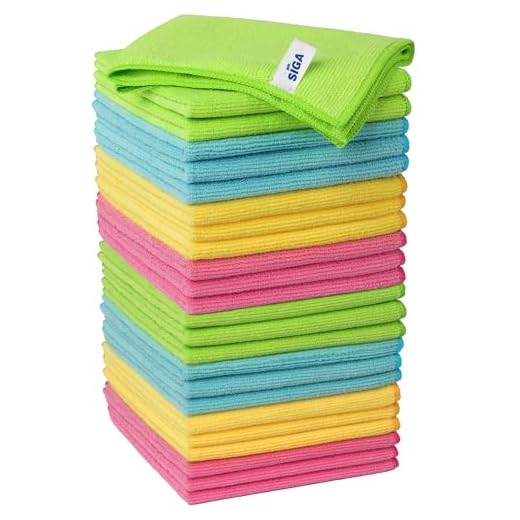
Paper towels dominate kitchen cleaning routines. Manufacturing one ton of paper towels consumes 17 trees and 20,000 gallons of water. You can swap these out for a stack of 12 microfiber cloths. Microfiber cleans glass without streaks and holds up to seven times its weight in liquid. You wipe down your counters for years without buying another paper roll.
The environmental catch with microfiber is microplastics. Washing these synthetic cloths in a standard machine releases tiny plastic fibers into the water supply. You fix this by washing your cleaning cloths in a specialized laundry bag that traps synthetic fibers. Wash them on a 30-minute quick cycle with a mild detergent to minimize wear and tear on the fabric.
Stainless Steel Water Bottles vs Plastic Pitchers
Bottled water creates mountains of PET plastic waste. A stainless steel water bottle costs more upfront and requires significant energy to forge and shape. You need to use a stainless steel bottle about 500 times to offset the energy used to make it. Drink two bottles of water a day, and you clear that hurdle in under a year.
Keep that steel bottle out of the dishwasher. High heat degrades the vacuum seal and ruins the insulation. Hand wash it with a bottle brush and a teaspoon of dish soap in warm water. This careful cleaning extends the life of the bottle to a decade or more. A longer lifespan means you maximize the environmental return on your investment.

Coffee Pods vs Refillable Stainless Steel Capsules
Keurig and Nespresso machines brew a fast cup of coffee at a steep environmental cost. Americans throw away enough single-use coffee pods every day to circle the globe twice. These plastic and aluminum pods take up to 500 years to break down in a landfill. A reusable stainless steel pod stops this daily waste instantly.
Using a refillable pod takes 30 seconds of prep time. You scoop two tablespoons of medium-ground coffee into the steel cup and snap the lid shut. Dump the used grounds into a compost bin after brewing. Your coffee costs drop from 80 cents a cup to about 15 cents while keeping hundreds of plastic cups out of the trash each year.

Beeswax Wraps vs Plastic Cling Film
Plastic wrap covers half an onion or a bowl of leftovers before heading straight to the garbage. It cannot be recycled. Beeswax wraps offer a natural alternative made from cotton coated in beeswax, jojoba oil, and tree resin. The warmth of your hands molds the wrap tightly over bowls or directly around produce. You create an airtight seal without relying on petroleum-based disposable plastics.
You have to wash beeswax wraps correctly to make them last. Hot water melts the wax coating and ruins the wrap instantly. Rinse them in cool 65-degree water with a single drop of mild dish soap. A well-maintained wrap lasts about a year of steady use. Once it loses its grip, you can cut it into strips and drop it in your compost pile.

Silicone Baking Mats vs Aluminum Foil
Roasting vegetables usually involves tearing off an 18-inch sheet of aluminum foil. Making new aluminum requires mining bauxite ore and processing it at extreme temperatures. A food-grade silicone baking mat replaces thousands of sheets of foil. It provides a non-stick surface that handles oven temperatures up to 480 degrees Fahrenheit.
Silicone is highly durable but absorbs grease over time. Wash your mat in hot, soapy water immediately after it cools to prevent lingering odors. If it gets a sticky residue, scrub it with a paste of baking soda and water. Let it sit for 20 minutes before rinsing. Proper cleaning keeps the mat performing perfectly for years.
Glass Storage Containers vs Plastic Zip Bags
Flimsy plastic zip bags dominate school lunches and freezer storage. They tear easily and warp when exposed to warm food. Tempered glass containers require more sand and heat to manufacture than plastic bags. Glass makes up for this heavy production cost through extreme longevity. It never absorbs food stains and will not warp in the microwave.
You maximize the eco-friendly benefits of glass by using it for dual purposes. Bake a casserole directly in a 400-degree oven using a glass container. Let it cool, snap on the lid, and put it in the fridge. You eliminate the need for separate baking dishes and storage bags. The glass will outlast your kitchen appliances if you avoid dropping it on hard floors.

The Hidden Cost of Hot Water in Reusables
Reusable items require regular cleaning. Heating water for washing dishes and laundry accounts for a massive chunk of your home carbon footprint. Running a half-empty dishwasher to clean three water bottles wastes energy. You sabotage the environmental benefits of your reusable gear if you wash them inefficiently.
Change your washing habits to protect your eco-investment. Wait until the dishwasher is completely full before running a cycle. Turn off the heated dry setting and let the dishes air dry overnight. Wash your cloth napkins and produce bags in cold water loads. Small adjustments in how you clean dictate the true environmental impact of your reusable household items.
Quick Tips
- Buy reusable products made from single materials like 100% steel or 100% glass to make recycling easier at the end of their life.
- Keep a set of heavy-duty canvas shopping bags in your car trunk so you never have to buy a plastic bag at the checkout register.
- Wash your reusable cotton produce bags in cold water and hang them over a shower rod to dry to prevent the mesh from shrinking.
- Replace your plastic dish sponges with compostable Swedish dishcloths that you can sanitize in the top rack of your dishwasher.
- Store your beeswax wraps flat in a designated drawer away from the oven or stovetop heat to prevent the wax from degrading.
Frequently Asked Questions
Swapping single-use plastics for durable goods shifts your environmental impact from waste generation to energy consumption. You pay a higher initial carbon penalty to manufacture a glass container or a steel bottle. You pay that debt off through years of continuous use and efficient cleaning.
Start your transition by targeting the item you throw away the most. If you fill your trash can with coffee pods, buy a stainless steel refillable capsule today. Master that one habit before moving on to paper towels or plastic wrap. Small, permanent changes in your daily routine add up to massive reductions in household waste.


