Overcooking a pricey steak is a miserable experience. You spend thirty dollars on a thick ribeye, guess the timing in a hot skillet, and end up with a gray, chewy band of meat surrounding a tiny pink center. Sous vide stops this cycle of kitchen stress. You drop a sealed bag of food into a water bath, set a precise temperature on your immersion circulator, and walk away to do other things.
This method relies on heated water circulating at an exact temperature to cook your food slowly and evenly. If you set your device to 135 degrees Fahrenheit, your food will never get hotter than 135 degrees. You can leave a pork chop in the water for two hours while you make a salad, clean the kitchen, or run to the grocery store. The meat stays perfectly medium-rare from edge to edge without drying out.
Getting started requires a few basic items you probably already own, plus the immersion circulator itself. You do not need a massive commercial vacuum sealer to get great results on your first try. A simple ziplock bag and a large pot will get you cooking perfectly tender chicken breasts and steaks tonight.
Gather Your Basic Sous Vide Equipment
Your essential setup involves three main pieces. You need an immersion circulator to heat the water, a large container, and food-safe plastic bags. A standard eight-quart stainless steel pasta pot works perfectly for most weeknight meals. You clip the circulator to the side of the pot and fill it with warm tap water. Make sure the water level sits right between the minimum and maximum lines marked on the metal shaft of the device.
Heavy-duty freezer bags are the best choice for beginners. They handle heat well and have strong seams that resist breaking during long cooks. You might eventually want to buy a dedicated vacuum sealer for long-term storage or high-temperature vegetable cooks. For now, grab a box of name-brand gallon freezer bags. They cost a few dollars at any grocery store and work perfectly for steaks, chicken, fish, and pork chops.

Prepare and Bag Your Food Using the Water Displacement Method
Pushing air out of the bag keeps your food submerged and helps the heat transfer efficiently. The water displacement method is a simple trick that requires zero special equipment. You place your seasoned meat into the freezer bag and leave the top zipper open about one inch. Slowly lower the bag into your pot of cool tap water before turning the circulator on. The water does the heavy lifting for you.
The pressure of the water pushes the air up and out of the bag. Keep lowering the bag until the water line sits right below the zipper opening. Seal that final inch of the zipper and drop the bag fully into the pot. A metal binder clip helps secure the top of the bag to the side of your pot so it stays put while the water circulates and bubbles around it.
Set Your Temperature and Time Based on Protein Type
Precision is the entire point of this cooking method. A boneless chicken breast cooked at 145 degrees Fahrenheit for two hours yields an incredibly juicy texture that a dry oven simply cannot match. For a medium-rare steak, set your circulator to 130 degrees Fahrenheit and let it run for anywhere from one to three hours. Fish requires much less time. A salmon fillet needs just 45 minutes at 120 degrees Fahrenheit for a tender, flaky finish.
Thickness dictates your minimum cooking time. A one-inch steak needs an hour to heat through completely. A two-inch roast needs at least three hours to reach the target temperature in the center. You have a wide window to pull the food out, but do not leave meat in the water bath all day. After about four hours, the muscle fibers begin breaking down too much. The meat turns mushy and loses its pleasing, firm bite.
Dry the Meat and Sear for a Crisp Finish
Food pulled straight from a water bath looks gray and unappetizing. The sous vide process cooks the inside perfectly, but it cannot create a crust. You must dry the surface completely before applying high heat. Pat your meat aggressively with paper towels until the surface feels completely dry to the touch. Any leftover moisture will create steam in your skillet and ruin your chances of getting a dark, savory sear.
Heat a heavy cast-iron skillet over a high flame and add a tablespoon of high-smoke-point oil like avocado or grapeseed. Place your dried meat into the smoking hot pan and sear it for just 60 to 90 seconds per side. You want to brown the outside as quickly as possible without raising the internal temperature. Toss in a knob of butter and a sprig of thyme during the last thirty seconds to baste the meat.
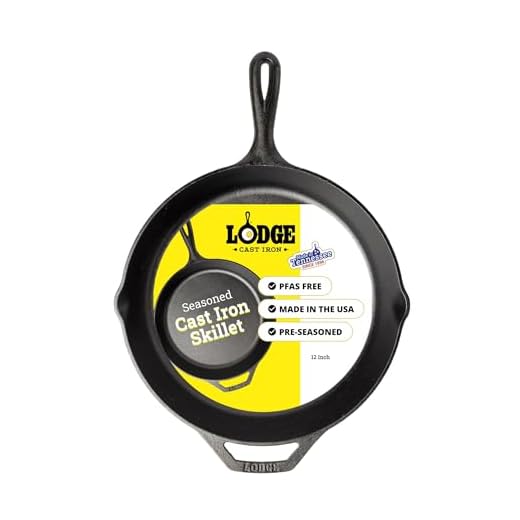
Lodge 12-Inch Seasoned Cast Iron Skillet
Cook Vegetables at High Temperatures for Better Flavor
Meat gets most of the attention, but root vegetables are incredible when cooked in a sealed environment. Boiling carrots in a pot of water leaches their flavor and nutrients down the drain. Cooking carrots in a sealed bag traps those natural sugars and juices inside. You set your water bath to 183 degrees Fahrenheit, bag sliced carrots with a little butter and salt, and cook them for exactly one hour for a tender bite.
High temperatures create a specific challenge with plastic bags. The heat causes trapped air and evaporating vegetable moisture to expand, which makes the bags float. A floating bag means uneven cooking because the food is exposed to the cooler air above the water line. You can drop a heavy butter knife directly into the bag with the vegetables to weigh it down. You can also place a ceramic plate on top of the floating bag.
Clean and Maintain Your Immersion Circulator
Hard water leaves a crusty, white mineral buildup on the heating coils of your device over time. This scale forces the machine to work harder and can eventually break the internal thermometer. You need to descale your circulator every dozen uses to keep it running quietly and accurately. Fill your pot with equal parts water and distilled white vinegar. Clip the device to the pot and set the temperature to 140 degrees Fahrenheit.
Let the vinegar solution circulate for 30 minutes. The gentle acid will dissolve all the mineral deposits without any scrubbing required. Turn the machine off, rinse the metal skirt under clean tap water, and wipe it dry with a dish towel. Never submerge the top display panel in water. Keep the electronic components completely dry to avoid shorting out the motor, and store the unit upright in a tall kitchen cabinet or deep drawer.
Prep Ahead and Chill for Easy Meal Planning
You can use your water bath to meal prep for the entire week. Cook five chicken breasts at once on Sunday afternoon. When the timer goes off, do not sear them immediately. Transfer the sealed bags straight from the hot water into a large bowl filled with ice water. This ice bath rapidly drops the temperature and prevents dangerous bacteria growth. Leave them in the ice for 30 minutes before moving them to the refrigerator.
These cooked and chilled proteins stay fresh in your fridge for up to five days. When you want to eat, take a bag out and open it. Pat the cold meat dry and sear it in a hot skillet for a minute or two on each side. The intense heat of the pan warms the meat through while creating a fresh, crispy crust. You get a perfect dinner on the table in under five minutes.
Quick Tips
- Double-bag cuts of meat that have sharp bones sticking out. A protruding lamb rib or pork bone will easily puncture a single plastic bag and let water flood in.
- Add marinades and sauces directly to the bag before sealing to infuse flavor during the long cook time. A tablespoon of soy sauce and ginger works wonderfully with chicken thighs.
- Place a silicone trivet or folded kitchen towel under your cooking pot. The prolonged heat from the hot water can crack a stone countertop over a two-hour cook.
- Do not put raw garlic cloves or chunks of raw onion into your bags. The cooking temperatures are too low to break down the sharp, harsh bite of raw alliums, so use garlic powder instead.
- Use a heavy stainless steel spoon or a dedicated sous vide sinker weight inside the bag for buoyant items. Vegetables and hollow foods like chicken breasts tend to float to the top of the water.
Frequently Asked Questions
Cooking with precise temperature control removes the guesswork from weeknight dinners. You stop burning expensive groceries and start producing restaurant-quality textures in your own kitchen. The process is forgiving, flexible, and requires very little active time standing over a hot stove.
Grab a pot, fill it with water, and buy a pack of freezer bags. Start with a simple chicken breast or a thick pork chop for your first attempt. Set your temperature, drop the bag in the water, and let the machine do the heavy lifting for you tonight.
Recommended Products

Everie 12-Quart Sous Vide Container Kit