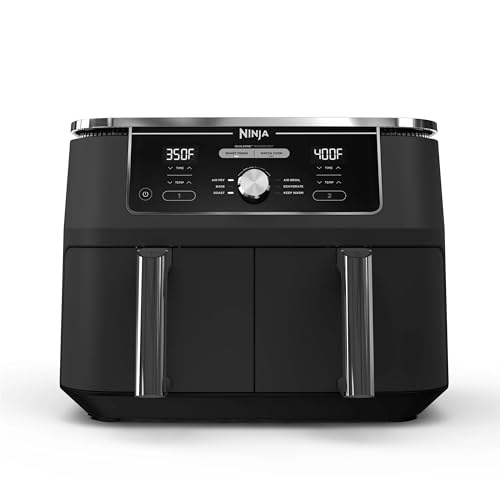
A smoking air fryer is not a broken appliance; it is a predictable reaction between rendered animal fat and a superheated convection fan. When white smoke billows from your basket during a batch of wings, your machine is simply blasting food with high-speed air exactly as intended.
The problem is that this powerful convection fan doesn’t distinguish between air and grease. When you cook high-fat foods—think 80/20 burgers, bacon, or skin-on chicken—the rendered fat pools in the basket below. The fan then picks up that hot grease and splatters it directly onto the red-hot heating element above, causing it to vaporize into smoke.
Getting this wrong doesn’t just mean a smoky kitchen and a frantic search for the fan remote. It means your food might taste burnt, and over time, that burnt-on grease can become a permanent, smoke-producing fixture in your appliance. The fix is simple, and it usually has nothing to do with buying a new air fryer.
The Immediate Fix: What to Do When It’s Smoking Right Now
If your air fryer is currently smoking on your countertop, don’t just wait for it to stop. Pause the cook cycle and carefully pull the basket out. The most effective way to stop the smoke immediately is to add water. Pour 2 to 3 tablespoons of water directly into the bottom drawer (under the crisper plate where the grease has pooled). Do not pour it on the food.
This works instantly by cooling the hot grease below its smoke point, stopping the vaporization. For notoriously fatty foods like a batch of bacon, you can use a preventative trick: place a single slice of plain bread in the bottom of the drawer before you start cooking. It acts like a sponge, soaking up the rendered fat so it never gets a chance to aerosolize and hit the heating element.
The Real Culprit: A Dirty Heating Element
If you’re getting black smoke, or if your air fryer smokes even with low-fat foods, the problem isn’t your current meal—it’s the ghosts of meals past. A layer of baked-on, polymerized grease on the heating coil is the most common cause of persistent smoking. You need to clean it.
First, unplug the unit and wait for it to cool completely, which takes at least 30 minutes. Turn the air fryer upside down on a towel to get easy access to the coil. For light grime, wipe the coil with a damp microfiber cloth and a drop of Dawn dish soap. For stubborn, caked-on gunk, create a paste with equal parts baking soda and water. Apply it to the coil, let it sit for 15 minutes, then gently scrub with a soft-bristled brush (an old toothbrush works well). Wipe away all residue with a clean damp cloth and let it air dry for at least an hour before plugging it back in.
Adjust Your Temperature for High-Fat Foods
Cooking everything at 400°F is tempting, but it’s the main reason grease starts to smoke. Most animal fats, like beef tallow and chicken fat, have a smoke point between 375°F and 400°F. When you set your air fryer to 400°F, you are guaranteed to have a smoke problem with fatty cuts.
Here’s a simple rule: if what you’re cooking contains more than 15% fat (like sausages, skin-on thighs, or 80/20 beef patties), dial the temperature back to 360°F. This keeps the rendered fat below its smoke point. Your food will still get incredibly crispy, but you may need to add 3-5 minutes to the total cook time. It’s a small price to pay for a smoke-free kitchen.
Stop Using the Wrong Kind of Oil
The oil you use matters just as much as the food you cook. Many common cooking oils have smoke points too low for the high heat of an air fryer. Extra Virgin Olive Oil, for example, has a smoke point around 350-375°F and will absolutely smoke if you’re cooking at 400°F.
Switch to a high-smoke-point oil. Avocado oil (smoke point 520°F), grapeseed oil (420°F), or even refined ‘light’ olive oil (465°F) are all excellent choices. More importantly, never use aerosol cooking sprays like PAM. The problem isn’t the oil itself but the propellants and emulsifiers like soy lecithin they contain. These additives burn at low temperatures and create a sticky, hard-to-clean film that permanently degrades the non-stick coating on your basket.
- Pat your food dry. Before seasoning, thoroughly pat fatty meats like chicken wings or steak with a paper towel. Less moisture on the surface means less steam and grease splatter during the cook.
- Don’t overcrowd the basket. Food needs space for the air to circulate. Keep at least a half-inch of space between items. This ensures even cooking and prevents steamy pockets where grease can pool and smoke.
- Empty the grease drawer mid-cook. When cooking multiple batches of something extra-fatty like bacon or sausages, pause between batches and carefully pour the collected grease out of the drawer.
- Trim excess fat. Before cooking chicken thighs or fatty steaks, take 30 seconds to trim off any large, loose pieces of fat or skin. That’s pure, unrendered grease just waiting to cause a problem.
Frequently Asked Questions
Unplug your air fryer, turn it upside down, and inspect the heating coil. If it appears dark brown or sticky, scrub it with a baking soda paste. Clean the coil today to permanently stop the smoke and save your dinner.