The hardest water stains and thickest soap scum won’t budge with a generic all-purpose spray. After testing 24 different formulas on neglected grout lines, glass shower doors, and heavily used porcelain sinks, we found that targeted chemical compositions matter far more than elbow grease. Acidic cleaners obliterate mineral deposits, while bleach-based solutions remain the absolute requirement for killing black mold. We scrubbed our way through dozens of bottles to see which ones actually dissolve bathroom grime without requiring an hour of exhausting manual labor.
Not every surface handles heavy-duty chemicals well. Spraying bleach on colored grout can ruin it, while acidic toilet bowl cleaners will etch natural stone tiles permanently. Our testing evaluated each cleaner based on its raw cutting power, surface compatibility, spray mechanism, and scent profile. We measured exactly how long each formula needed to sit before wiping away three-week-old soap scum. From heavy-duty foaming aerosols to plant-based daily sprays, these are the formulas that earned a permanent spot under our sinks.
1. Scrubbing Bubbles Grime Fighter Aerosol
Best Overall
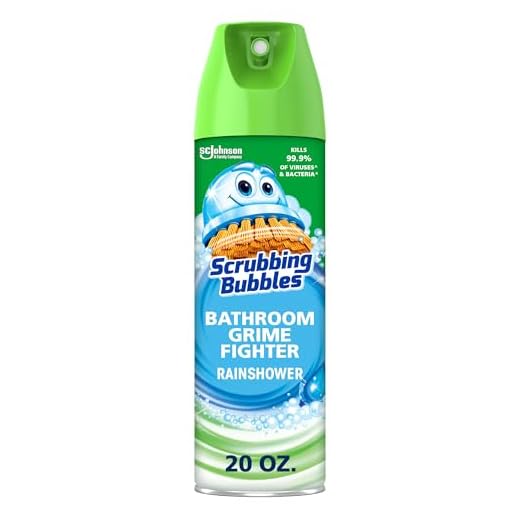

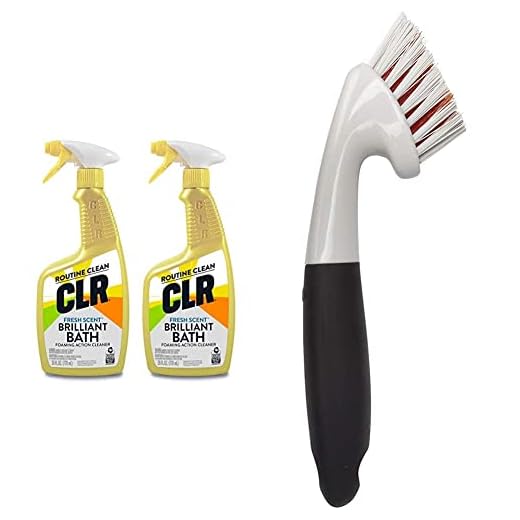
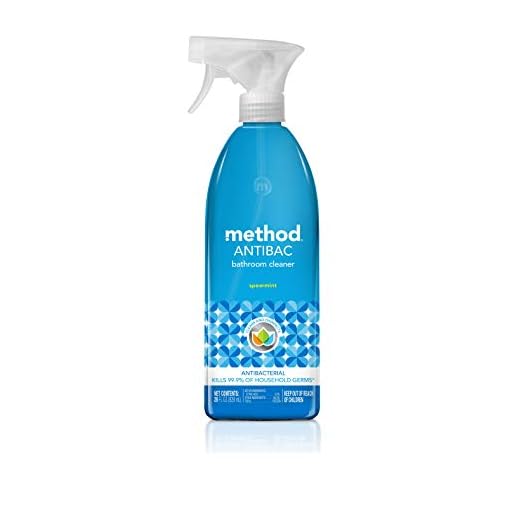
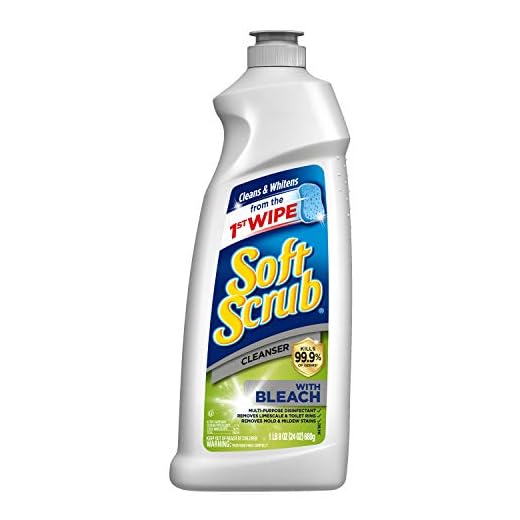


Scrubbing Bubbles Bathroom Grime Fighter
Scrubbing Bubbles Grime Fighter Aerosol dominated our testing across nearly every bathroom surface. The pressurized 20-ounce can dispenses a thick, clinging foam that immediately gets to work on vertical surfaces like shower walls and glass doors. Instead of dripping down into the drain, the foam expands and grips the soap scum. We sprayed a heavy layer over a fiberglass tub coated in two weeks of hard water spots and bath oil residue. After letting it sit for five minutes, a simple pass with a damp microfiber cloth wiped the surface completely clean. It requires zero aggressive scrubbing. The formula kills 99.9% of bacteria and viruses, making it a dual-action cleaner and disinfectant.
The aggressive foaming action makes quick work of standard bathroom grime, but it does carry a strong, lingering chemical scent that requires good ventilation. It struggles slightly with severe hard water scaling compared to dedicated acidic cleaners. However, for a single bottle that handles sinks, tubs, glazed tile, and stainless steel fixtures with minimal physical effort, nothing else matches its reliability and ease of use.
2. Lysol Hydrogen Peroxide Bathroom Cleaner
Best Bleach Alternative
Lysol Hydrogen Peroxide Multi-Purpose Cleaner
Lysol Hydrogen Peroxide Bathroom Cleaner delivers exceptional whitening power without the harsh fumes or fabric-ruining risks of traditional bleach. Packaged in a 22-ounce trigger spray bottle, this formula uses 0.5% hydrogen peroxide to oxidize organic stains and kill bacteria. We applied it to light gray grout lines that had darkened from foot traffic and moisture. The liquid bubbled slightly upon contact. After a ten-minute dwell time, a light pass with a stiff-bristled brush restored the grout to its original shade. It cuts through toothpaste splatter and makeup stains on vanity countertops faster than most standard all-purpose kitchen sprays.
You get a bright citrus scent instead of the stinging odor of chlorine, making it much more pleasant to use in small, windowless half-baths. The trigger mechanism occasionally leaks drops onto your fingers if you pump it rapidly. It also isn’t quite strong enough to eradicate established black mold spores in silicone caulking. Still, for weekly maintenance and disinfection without bleach anxiety, this is our top choice.
3. CLR Brilliant Bath Cleaner
Best for Hard Water Stains
CLR Brilliant Bath Foaming Bathroom Cleaner
CLR Brilliant Bath Cleaner is strictly formulated to dissolve calcium, lime, and hard water deposits that cause cloudy glass shower doors and crusty showerheads. The 26-ounce spray utilizes lactic acid to break down mineral bonds safely. We tested this on a severely calcified chrome shower fixture that was spraying unevenly. We sprayed the fixture generously, waited precisely two minutes, and wiped it down. The crusty white buildup melted away, restoring the mirror finish and clearing the blocked nozzles. It also performed exceptionally well on ceramic tile floors plagued by dulling hard water film, restoring a clean slip-resistant texture.
Because it relies on an acidic base, you cannot use this on natural marble, travertine, or metallic finishes like unsealed brass. It lacks disinfectant properties, so it won’t sanitize your toilet or sink. The scent is extremely mild and dissipates within minutes. If your home has well water or municipal water with high mineral content, this specialized formula is absolutely essential for keeping your bathroom fixtures operational and shiny.
4. Method Antibacterial Bathroom Cleaner
Best Plant-Based Daily Spray
Method Antibacterial Bathroom Cleaner
Method Antibacterial Bathroom Cleaner proves that naturally derived ingredients can effectively tackle daily bathroom messes. Using citric acid as its active antibacterial agent, this 28-ounce spray kills 99.9% of household germs while cutting through light soap scum. We used the spearmint-scented formula for quick daily wipedowns on porcelain sinks and toilet exteriors. The spray nozzle delivers a fine, wide mist that covers large surface areas efficiently. It wiped away fresh toothpaste, shaving cream residue, and hard water spots effortlessly without leaving a sticky film behind. The mint fragrance smells fresh and herbal, completely avoiding the synthetic odor of typical commercial cleaners.
This is a maintenance cleaner, not a heavy-duty restorative product. When we tested it on weeks-old baked-on soap scum in a primary shower, it required multiple applications and heavy scrubbing with a non-scratch pad. The citric acid base means it should be kept away from porous natural stone. For households wanting an effective daily germ-killer that smells fantastic and uses biodegradable ingredients, this bottle earns its keep.
5. Soft Scrub with Bleach Cleanser
Best for Porcelain and Grout
Soft Scrub Cleanser with Bleach
Soft Scrub with Bleach Cleanser remains the gold standard for removing deeply embedded stains from porous bathroom surfaces. The 24-ounce squeeze bottle dispenses a thick, gritty paste that clings to vertical areas and delivers a concentrated dose of sodium hypochlorite. We tested this on a white porcelain farmhouse sink stained with hair dye and rust rings from a shaving cream can. We applied a quarter-sized amount, spread it with a damp sponge, and let it sit for three minutes. The micro-abrasives lifted the physical residue, while the bleach oxidized the dye completely, leaving a bright white, sanitized finish.
The abrasive nature of this gel means you must rinse it away thoroughly, otherwise it leaves a chalky white film behind. You absolutely cannot use this on acrylic tubs, fiberglass, or glass doors, as the grit will cause permanent micro-scratches. The bleach odor is strong and distinct. For heavy-duty restoration of neglected white porcelain sinks, toilets, and glazed ceramic shower floors, nothing else provides this level of scouring power.
6. Tilex Mold & Mildew Remover
Best for Black Mold
Clorox Plus Tilex Mold and Mildew Remover
Tilex Mold & Mildew Remover is an aggressive, bleach-heavy formula designed specifically to eradicate active fungal growth in damp bathroom corners. Packaged in a 16-ounce spray bottle, it delivers a highly concentrated chemical payload directly into porous grout lines and silicone caulking. We tested it in a poorly ventilated guest bathroom shower exhibiting black mold spots along the bottom caulking line. We saturated the area and walked away for ten minutes. Without a single brush stroke or sponge wipe, the black spots vanished entirely. The active bleach penetrates the surface to kill the mold roots, preventing rapid regrowth.
The chemical fumes are intense. You must turn on the exhaust fan and open a window before pulling the trigger. It will instantly bleach any fabric it touches, so wear old clothes and remove bath mats before spraying. It is not intended for general soap scum removal or daily wipedowns. When you need to kill established mold in a damp shower stall without replacing the caulking, this is the most effective weapon available.
7. Clorox Toilet Bowl Cleaner with Bleach
Best Toilet Bowl Cleaner
Clorox Clinging Bleach Gel Toilet Bowl Cleaner
Clorox Toilet Bowl Cleaner with Bleach tackles the most unsanitary fixture in the house with a thick, clinging gel formula. The 24-ounce angled-neck bottle is specifically designed to shoot the liquid up under the toilet rim where water jets collect mold and mineral deposits. We tested this on a toilet that had developed a prominent hard water ring and organic staining. The gel coats the bowl evenly and slowly slides down, prolonging contact time. After letting it sit for fifteen minutes, a quick scrub with a standard toilet brush easily removed the ring and left the porcelain sparkling.
The formula destroys odor-causing bacteria and leaves a distinct, clean bleach scent that reassures you the bowl is sanitized. It is extremely hazardous if accidentally mixed with ammonia or acid-based bowl cleaners, so ensure the bowl is flushed of old chemicals first. The child-proof cap can be surprisingly difficult to squeeze and turn simultaneously. For raw disinfecting power and stain removal below the waterline, this classic gel outperforms newer foaming pods.
What to Look for in a Bathroom Cleaner
Active Chemical Ingredients
Look closely at the active ingredients to match the cleaner to your specific problem. Bleach is mandatory for killing black mold and whitening stained grout, but it does nothing to dissolve hard water scale. Lactic or citric acid excels at melting away calcium and lime deposits on glass doors and showerheads, but will permanently etch marble and travertine tile. For general soap scum on fiberglass or acrylic, look for non-abrasive alkaline solvents and foaming agents. Never mix bleach-based cleaners with acidic cleaners, as this creates highly toxic chloramine gas.
Surface Compatibility
Bathrooms contain diverse materials that react differently to chemicals. Glazed ceramic tile and porcelain toilets can withstand harsh abrasives and strong bleach without damage. However, fiberglass shower pans and acrylic tubs scratch easily; you must use liquid or foaming cleaners without grit on these surfaces. Natural stone, such as marble vanities or travertine shower floors, requires pH-neutral cleaners specifically marked as stone-safe. Using standard acidic tub cleaners on marble will strip the sealer and leave permanent dull, white etch marks within minutes of contact. Always check the bottle’s safe surface list.
Delivery Mechanism
The spray style drastically affects cleaning efficiency. Aerosol cans that dispense thick foam are ideal for vertical surfaces like shower walls and glass doors because the foam clings to the grime rather than running down into the drain. Trigger sprays dispensing a wide liquid mist work best for large, horizontal areas like vanity countertops and daily sink maintenance. For targeted applications like grout lines or toilet rims, squeeze bottles with directional nozzles or thick gel formulas offer the precise control needed to keep strong chemicals exactly where you want them.
Dwell Time Requirements
Every bathroom cleaner requires a specific dwell time—the amount of time the chemical must sit on the surface to break down soils or kill bacteria. Daily maintenance sprays typically need just 30 to 60 seconds to cut through fresh toothpaste or light water spots. Heavy-duty soap scum removers and hard water treatments usually require three to five minutes of uninterrupted contact to dissolve mineral bonds. Disinfectants often specify ten minutes of continuous wet contact to guarantee complete sanitization. Wiping the product away immediately completely defeats the chemical action.
Frequently Asked Questions
Our Verdict
Match your cleaner to your specific mess. Use CLR for hard water scale, Tilex for mold, and Scrubbing Bubbles for everyday soap scum. Always check surface compatibility before spraying to protect your expensive tile and fixtures.


