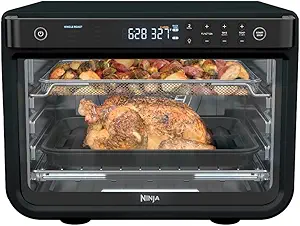
Let’s be honest, your toaster oven is a countertop workhorse. But this convenience comes with a catch: it’s a small, high-powered box that can reach temperatures over 450°F and draw 1,800 watts of electricity. When used incorrectly, it’s one of the most significant fire risks in the modern kitchen.
Getting it wrong isn’t just about burning your toast. Placing it too close to a wall can scorch drywall. Forgetting to clean it can lead to a grease fire. Using the wrong power cord can literally melt the outlet. These aren’t edge cases; they’re common, preventable accidents.
The good news is that making your toaster oven safe is simple. It doesn’t require special tools, just a few minutes of setup and a couple of good habits. We’ll walk you through the five most critical steps to ensure your quick meals stay safe and secure.
Step 1: Give Your Oven at Least 4 Inches of Breathing Room
This is the single most important safety rule. Your toaster oven generates intense external heat that needs to dissipate. If it’s crammed against a wall or stuck in a tight corner, that heat gets trapped, creating a serious fire hazard. The side vents on the oven aren’t for decoration; they’re critical for cooling.
Pull out a measuring tape. You need a minimum of 4 inches of clear, open space on the sides and back of the appliance. Even more importantly, you need at least 12 inches of clearance above it. A common failure case we see is placing an oven directly under kitchen cabinets. Over time, the trapped heat can delaminate the cabinet finish, melt plastic hardware, and make the wood dangerously dry and combustible.
Step 2: Plug Directly Into a Dedicated Wall Outlet
A toaster oven on high heat can pull up to 15 amps of current, the maximum a standard household circuit can handle. Most extension cords and power strips are not rated for this kind of sustained load. Plugging your 1,800-watt oven into a cheap power strip alongside other devices is a recipe for overheating.
Always plug the toaster oven’s cord directly into a grounded wall outlet. Never use an extension cord unless it’s a heavy-duty, 14-gauge (or lower) appliance cord specifically rated for the wattage of your oven. If you do, the cord or plug can overheat, melt, and potentially arc, creating a fire. Check the plug after a long cooking cycle; if it feels hot to the touch, your wiring may not be sufficient.
Step 3: Clean Out Crumbs and Grease Every Single Week
Those little bits of bread, cheese, and grease that fall to the bottom of the oven are not harmless debris; they’re fuel. As they accumulate, they sit directly over or on the lower heating elements. When the oven heats up, this buildup can easily smolder, smoke, and ignite.
Make it a weekly habit. Once the oven is completely cool, unplug it. Slide out the crumb tray and dump it. Use a small, dry brush to sweep out any remaining debris from the oven floor. If you see grease buildup on the interior walls, wipe it down with a damp cloth and a drop of dish soap. A layer of burnt-on grease just 1/8-inch thick can begin to smoke and catch fire once the oven exceeds 400°F.
Step 4: Use Only Oven-Safe Cookware and Materials
The intense, close-proximity heat in a toaster oven can destroy materials that might survive in a conventional oven. Never put plastic containers, paper plates, or coffee mugs (unless certified oven-safe) inside. Even parchment paper can be a risk; if it curls up and touches a heating element, it will ignite instantly.
Stick to materials designed for high heat: metal (like the included baking pan), ceramic, stoneware, and glass bakeware (like Pyrex). When using aluminum foil, make sure it’s wrapped securely around your food and not touching the oven walls or heating elements, which can cause a short circuit or reflect heat incorrectly, leading to overheating.
Step 5: Unplug the Oven After It Has Fully Cooled
Leaving a toaster oven plugged in 24/7 presents a low but persistent risk. A power surge, a faulty timer, or even a curious pet or child could potentially turn the appliance on by accident. A digital timer malfunction, while rare, could cause the oven to turn on in the middle of the night.
Think of unplugging it as the ultimate safety switch. Once you’re done cooking and the oven has cooled for about 15-20 minutes, simply pull the plug from the wall. This five-second habit completely eliminates any chance of accidental activation and also stops the small amount of ‘phantom power’ the appliance draws for its clock or display.
- Never leave a toaster oven unattended while cooking, especially when broiling or using high-heat functions. A flare-up can happen in seconds.
- If a small grease fire starts, immediately turn off and unplug the oven. Keep the door closed to smother the fire with lack of oxygen. Never throw water on it.
- Regularly inspect the power cord for any signs of fraying, cracking, or heat damage. If you find any, stop using the appliance and get the cord replaced or serviced.
- Always use the crumb tray. It’s designed to catch falling debris before it lands on the lower heating elements, which is a primary ignition point.
Frequently Asked Questions
Conclusion
A toaster oven is perfectly safe when you respect the heat and power it commands. Most problems arise from two simple things: improper placement and a lack of cleaning. By treating it like the real oven it is, not just a large toaster, you eliminate almost every potential risk. Take five minutes right now to check your oven’s placement. Is it at least 4 inches from the wall? Is it plugged directly into an outlet? Confirming those two things is the most effective safety step you can take for a secure kitchen.