Opening the cabinet under the kitchen sink usually reveals a chaotic pile of half-empty soap bottles, damp sponges, and tangled trash bags. You reach for the dishwasher pods and accidentally knock over a leaky bottle of glass cleaner. That dark 30-by-24-inch cavern built around awkward plumbing pipes easily becomes the most neglected storage space in your home.
Taking control of this area prevents water damage and saves you money on duplicate cleaning supplies. A typical standard base cabinet gives you about 36 inches of width and 24 inches of depth, but a bulky garbage disposal and a curved P-trap eat up the entire center volume. You have to work around these immovable obstacles to claim the usable square footage.
We will tackle this messy zone using specific measurements and modular storage solutions. You will pull everything out, measure the exact clearance around your pipes, and install sliding tracks and stackable drawers to reclaim this dead space.
Empty the Cabinet and Measure Your Clearances
Pull every single item out of the cabinet and set it on your kitchen floor. Throw away any dried-out sponges, crusty brushes, and empty spray bottles. Grab a tape measure and check the exact dimensions of the usable space on the left and right sides of your plumbing. Write down the height from the cabinet floor to the lowest hanging pipe. Record the width from the side wall to the garbage disposal.
Measure the depth from the front cabinet frame to the back wall, keeping an eye out for water shutoff valves. Most base cabinets offer a standard 24-inch depth, but bulky pipes often restrict usable storage depth to 16 or 18 inches. Keep these numbers handy on your phone when shopping for bins. Buying a 20-inch drawer track only to find your P-trap blocks it at 17 inches wastes your time and money.

Lay Down a Waterproof Silicone Mat
Protect your wooden cabinet base from inevitable leaks and chemical spills before you put anything back. A flexible silicone under-sink mat catches dripping water and prevents warped wood. Buy a mat with a one-inch raised lip around the edges. This small lip holds up to two gallons of water if a pipe fitting comes loose or a soap bottle cracks. Measure your cabinet floor width and buy the exact size, usually 34 by 22 inches.
Press the mat flat against the bottom board. If your plumbing pipes come up through the floor of the cabinet rather than the back wall, you will need to cut slits in the silicone to fit around them. Use sharp utility scissors to make a clean straight cut from the back edge to the pipe location. Seal the cut edges with a line of waterproof silicone caulk to maintain the watertight barrier.

Install Two-Tier Sliding Organizers Around the Pipes
Traditional wide shelves do not work under the sink because the plumbing sits right in the middle. You need independent storage units that slide out. Install an L-shaped two-tier sliding organizer on the side with the most vertical clearance. These specific organizers feature a narrow top shelf that easily clears a garbage disposal while the bottom shelf spans the full width. Screw the metal tracks directly into the cabinet base using a drill and 5/8-inch wood screws.
Position the tracks about one inch away from the cabinet hinges so the drawers glide out without scraping the door. Place tall spray bottles like multi-surface cleaners and window sprays on the bottom tier. Store smaller items like scrub brushes and extra sponges on the narrow top tier. The sliding mechanism brings items hidden in the dark 24-inch deep back corners right out into the light of your kitchen.
Mount Clear Acrylic Bins on the Cabinet Doors
The inside of your cabinet doors offers prime real estate for lightweight items you grab daily. Mount clear acrylic caddies or small wire baskets directly to the wood panel. Measure the depth of the baskets and close the door to check your clearance. You need at least four inches of empty space between the closed door and your sliding organizers. Command strips work well for holding a few sponges, but you should use short screws for heavier items.
Fill these door bins with your dishwasher pods, a roll of trash bags, and your current dish soap. Keeping the dishwasher pods at eye level speeds up your evening cleanup routine. Storing damp items like steel wool pads in an open-air wire basket prevents mildew growth. Just keep the weight under three pounds per door to avoid wearing out your metal cabinet hinges over time.
Use a Tension Rod for Spray Bottles
A simple spring-loaded tension rod creates an instant upper storage rack for all your trigger spray bottles. Buy a heavy-duty rod designed for a 36-inch window span. Position it across the top front of the cabinet, just behind the door hinges and above the plumbing. Twist the rod tightly against the side walls until it holds firm. Hang your glass cleaners, wood polish, and countertop sprays by their triggers right on the metal bar.
This method frees up massive amounts of floor space for bulky items like a large fire extinguisher or a bulk box of trash bags. Test the weight capacity by hanging two bottles first. If the rod slips down the wooden cabinet walls, apply small rubber adhesive pads to the walls right where the ends of the tension rod make contact. The rubber provides necessary grip to hold up to ten pounds of liquid cleaners.

Decant Bulky Soaps into Slim Dispensers
Retail packaging wastes valuable horizontal space. A one-gallon bulk jug of dish soap takes up an eight-inch footprint and blocks access to items behind it. Pour your bulk liquids into tall, slim, clear plastic dispenser bottles. A 32-ounce cylinder bottle holds plenty of soap while taking up a fraction of the shelf space. Line these uniform bottles up like books on a shelf along the side wall of your cabinet.
Label each clear bottle using a waterproof vinyl sticker or a permanent paint pen. Write the exact contents on the front so you do not accidentally mix floor cleaner with dish soap. Keep a small plastic funnel tucked in the back of the cabinet to make refilling these bottles quick and mess-free. Storing your bulky refill jugs in a garage or laundry room keeps the kitchen sink area strictly for active, daily-use supplies.

Group Similar Items in Handled Caddies
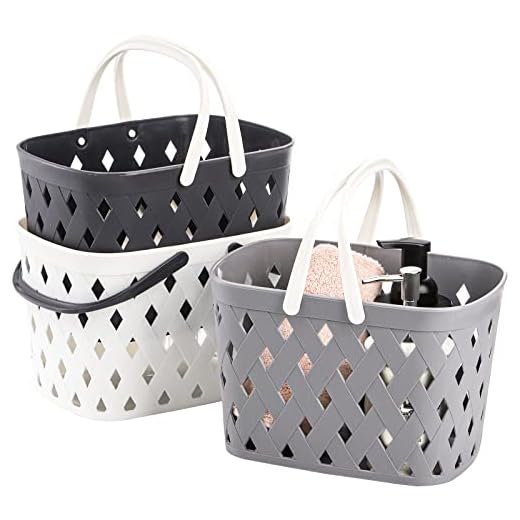
Loose items floating around the bottom of a cabinet create instant visual clutter. Buy two plastic cleaning caddies with sturdy center handles. Assign one caddy for your daily kitchen cleanup supplies and the other for deep cleaning tasks. The daily caddy holds dish soap, a scrub brush, and counter spray. The deep cleaning caddy holds stainless steel polish, oven cleaner, and heavy-duty degreasers that you only touch once a month.
Grab the entire caddy by the handle and pull it out when you need to clean the stove or wipe down the fridge. You never have to reach blindly into the back of the cabinet again. When a bottle leaks inside the plastic caddy, you just rinse the caddy out in the sink with warm water. This modular system keeps your cabinet organized because everything has a designated, contained home base.
Quick Tips
- Install a small motion-sensor LED puck light on the inside top frame of the cabinet to illuminate the dark space automatically when you open the door.
- Store a Class B/C kitchen fire extinguisher near the very front edge of the cabinet floor so you can grab it instantly during a cooking emergency.
- Keep harsh chemicals and bleach products in a plastic locking box if you have curious toddlers or pets who know how to open lower cabinet doors.
- Wipe down the inside of the cabinet walls with a mixture of equal parts white vinegar and warm water to kill existing mold spores before installing your organizers.
- Place a small bowl of activated charcoal in the back corner of the cabinet to absorb damp, musty smells caused by the adjacent sink plumbing.
Frequently Asked Questions
Taking control of the space under your kitchen sink stops the cycle of buying duplicate cleaning supplies. Measuring the exact clearances around your P-trap and garbage disposal allows you to buy organizers that actually fit your specific plumbing layout. Installing sliding tracks and tension rods forces this awkward dark hole to work for your daily routines.
Pull everything out of your cabinet today and throw away the empty bottles. Order a silicone floor mat to protect your wood and measure your vertical clearances to find the right L-shaped sliding drawer.